

The phone call came at 11:00 p.m. on a Tuesday. A father of three from Lakeview had picked up his blood pressure medication from a Walgreens on Clark Street that afternoon. He took his evening dose as prescribed. Two hours later, his wife found him unconscious on the bathroom floor. The paramedics rushed him to Illinois Masonic Medical Center where doctors discovered his blood pressure had dropped to dangerously low levels. The pharmacy had dispensed ten times the prescribed dosage.
He survived, but only because his wife acted quickly. He spent five days in intensive care. The medical bills exceeded $75,000. He missed three weeks of work. And when he contacted the pharmacy, they suggested he should have noticed the pills looked different.
Medication errors happen with alarming frequency throughout Chicago. At chain pharmacies like CVS and Walgreens, at independent neighborhood pharmacies, at hospital pharmacies serving patients at Northwestern Memorial and Rush University Medical Center. These preventable mistakes cause serious injuries and deaths every year. And pharmacy corporations have one priority when errors occur: protecting their bottom line.
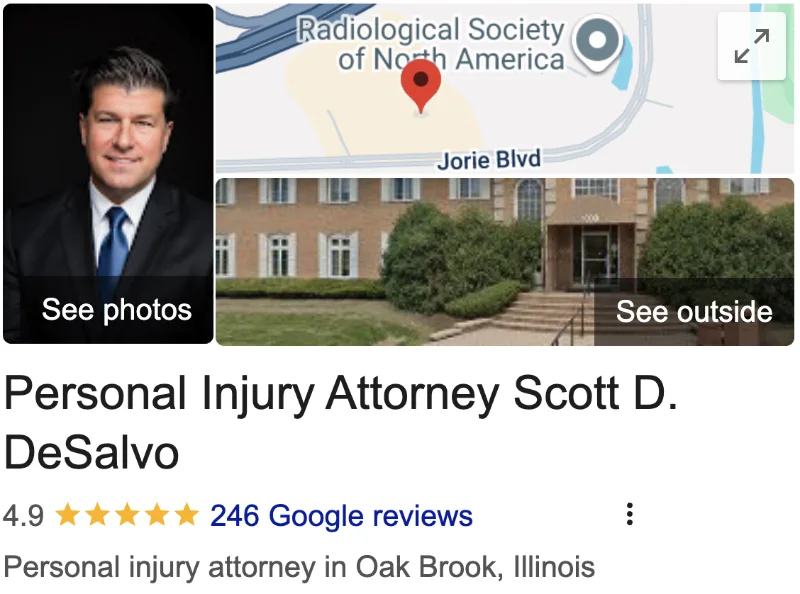
I'm Scott DeSalvo, and I represent medication error victims in Chicago. For over 25 years, I've fought against pharmacies and healthcare systems that prioritize profits over patient safety. I understand these cases because I've lived the devastation that medical negligence causes.
When I was nine years old, my father suffered a catastrophic workplace injury. His case dragged on for 17 years while insurance companies denied and delayed at every turn. His own attorney eventually sued him for fees. I watched my family struggle financially because the system failed us.
That experience drives everything about how I practice law. I work on contingency – you pay nothing unless we win. I'm available 24/7 because medical crises don't follow business hours. And I treat every client with the dignity and respect they deserve.
If you've been harmed by a medication error anywhere in Chicago, call me at (312) 500-4500. The consultation is free, and we'll discuss your legal options.

Not every adverse drug reaction constitutes negligence. Some patients experience unexpected reactions despite proper prescribing and dispensing. The legal distinction matters because it determines whether you have grounds for compensation.
Medication errors occur when healthcare providers – pharmacists, physicians, nurses, or pharmacy technicians – deviate from accepted standards of care in prescribing, dispensing, or administering medications, and those deviations cause patient harm. Illinois law establishes standards based on what reasonably competent professionals would do under similar circumstances.
The critical questions in medication error cases are: Did the provider breach the standard of care? Did that breach directly cause your injuries? If both answers are yes, you likely have a valid claim.
Proving medication error cases requires expert testimony from pharmacists and physicians who can explain how defendants' actions fell below accepted standards. These cases demand understanding of pharmacology, medication interactions, proper dispensing protocols, and medical causation.
Medication errors take numerous forms, each with potentially devastating consequences:
Pharmacies sometimes dispense entirely different medications than prescribed. This occurs through various failures: misreading prescriptions, selecting the wrong medication from inventory, computer entry errors, or inadequate verification procedures.
I've represented patients who received chemotherapy medications instead of antibiotics, blood thinners instead of cholesterol medications, and powerful psychiatric drugs instead of routine prescriptions. These errors can cause catastrophic harm.
Dosage errors involve dispensing the correct medication but at inappropriate strengths. The pharmacy might give you 100mg tablets when 10mg was prescribed, or incorrect instructions on the label might tell you to take dangerous amounts.
Many medications come in multiple strengths, and confusion between similar-looking packaging contributes to these errors. For medications with narrow therapeutic windows – where the difference between effective dose and toxic dose is small – even minor dosage errors can be life-threatening.
Pharmacists have professional duties to review patient medication histories and identify dangerous interactions before dispensing prescriptions. Modern pharmacy computer systems flag potential interactions, but pharmacists must actually review these warnings and take appropriate action.
I've handled cases where pharmacists ignored clear warnings about dangerous interactions, resulting in strokes, organ damage, seizures, and other serious complications. These preventable errors occur when pharmacists are rushed, understaffed, or simply don't fulfill their professional obligations.
Pharmacies occasionally give medications to the wrong patients entirely. This happens when multiple customers have similar names, verification procedures fail, or during chaotic conditions in busy pharmacies.
These errors mean you receive medication meant for someone else with completely different medical conditions, while another patient receives your medication. The potential for harm is obvious and completely preventable through proper verification protocols.
Pharmacists must provide appropriate instructions and warnings about medications. They should explain how to take medications safely, what side effects to watch for, how to store medications properly, which activities to avoid, and what foods or beverages might interact with the medication.
When pharmacists fail to provide adequate counseling and patients suffer harm as a result, liability may exist. This is particularly true for medications with specific requirements or serious potential side effects.
Medication errors occur frequently in hospital settings where multiple providers prescribe and administer medications. Nurses administer wrong medications or incorrect doses, hospital pharmacies send wrong drugs to patient floors, physicians prescribe medications without checking for interactions or contraindications, and electronic health record systems create confusion.
I've handled hospital medication error cases at all major Chicago medical centers: Northwestern Memorial, Rush University Medical Center, University of Chicago Medical Center, Advocate Health facilities, Loyola University Medical Center, and numerous community hospitals.
Some pharmacies prepare customized medications by combining ingredients – a process called compounding. Errors in compounding can produce medications that are too strong, too weak, contaminated, or contain wrong ingredients entirely.
Compounding errors are particularly dangerous because these custom medications lack the quality control of manufactured drugs. I've represented victims who suffered chemical burns, allergic reactions, and other serious injuries from improperly compounded medications
Illinois law allows medication error victims to recover comprehensive compensation:
These cover quantifiable financial losses: all past and future medical expenses for treating injuries caused by the error, lost wages from missed work during recovery, lost earning capacity if injuries prevent returning to previous employment, costs for ongoing treatment and medications, home care services if needed, and any other documented financial losses directly resulting from the error.
These compensate for intangible losses: physical pain and suffering from the error and subsequent treatment, emotional distress including anxiety, depression, and post-traumatic stress, loss of enjoyment of life and inability to participate in activities you previously enjoyed, permanent disability or impairment, disfigurement, and impact on relationships with family members.
I've invested over $100,000 in advanced trial training specifically to master presentation of non-economic damages to juries. As a graduate of Gerry Spence's Trial Lawyer's College, I understand how to convey the true impact medication errors have on victims' lives.
In cases involving willful and wanton misconduct, Illinois allows punitive damages designed to punish wrongdoers and deter similar conduct. Examples might include pharmacies that knowingly employ unqualified staff, systematic failures to implement basic safety protocols, or patterns of repeated errors without corrective action.
Illinois does not cap damages in medication error cases, allowing full recovery for all losses without arbitrary limitations.


Successful medication error cases require establishing four essential elements:
You must show that the pharmacy or healthcare provider undertook to provide professional services to you. This is typically straightforward when you filled a prescription or received medication in a hospital.
This requires proving through expert testimony that the provider's actions fell below accepted professional standards. I work with pharmacist experts and physicians who can explain what should have been done and how the defendant's conduct deviated from proper practice.
These experts must be willing to testify that the error resulted from negligence rather than acceptable professional judgment – something not all professionals are comfortable doing.
You must establish that the medication error directly caused your injuries. This can be complex when patients have pre-existing conditions or when attributing specific symptoms to medication errors versus underlying medical issues.
Expert medical testimony is crucial in establishing causation. Doctors must explain not only what went wrong but also how the error led to the specific injuries you suffered.
Finally, you must demonstrate actual harm requiring compensation, including both economic losses and non-economic damages like pain and reduced quality of life.

Illinois imposes specific procedural requirements that medication error plaintiffs must satisfy:
Generally, you have two years from when you discovered or reasonably should have discovered the error to file suit. There's also an absolute deadline of four years from the date of the negligent act, with limited exceptions.
These deadlines are strict and missing them permanently destroys your case. Don't delay consultation – critical evidence often disappears over time.
Before filing suit, Illinois requires a sworn statement from a qualified expert attesting that they've reviewed your case and believe it has merit. For medication errors, this typically requires a pharmacist or physician expert.
Obtaining these affidavits requires having medical records and prescription information reviewed by appropriate experts before filing deadlines expire.
Immediately preserve all evidence: the medication bottle and label, any packaging or pharmacy paperwork, receipts, medical records documenting your reaction and treatment, and any communications with the pharmacy or healthcare providers.
Find Out What YOUR Case Might Be Worth...for free.
Medication error cases require specialized knowledge and resources:
After 25 years handling these cases, I've developed relationships with pharmacist experts, toxicologists, and physicians who are willing to review cases honestly and testify when they identify negligence.
Having credible experts makes or breaks medication error cases. Defense attorneys know which plaintiff experts juries trust. My experts have unimpeachable credentials and proven track records.
I've spent over $100,000 on specialized trial advocacy training. As a graduate of Gerry Spence's Trial Lawyer's College and KTI's 'The Edge' program, I possess trial techniques that fewer than one in 10,000 lawyers have mastered.
This training matters because insurance companies know which attorneys are actually prepared to try cases. My reputation often leads to higher settlement offers because defendants understand the risk of trial.
I advance all case expenses including expert witness fees, medical record reviews, court costs, and investigation expenses. You pay nothing upfront, and I only recover expenses if I win your case.
My fee is contingent – a percentage of whatever I recover. If I don't win, you owe me nothing. This ensures my interests align perfectly with yours.
I've handled cases against every major pharmacy chain operating in Chicago: Walgreens, CVS, Jewel-Osco pharmacies, independent pharmacies, and hospital pharmacy systems at all major Chicago medical centers.
These corporations have aggressive legal teams and unlimited resources. I'm not intimidated by their tactics. I know their strategies and how to counter them effectively.
If you suspect medication error has harmed you, take these actions immediately:
Seek medical attention for your current condition. Your health is paramount, and prompt treatment creates medical records documenting your reaction.
Preserve the medication bottle, label, and all packaging. This is critical evidence showing what you were given and what the instructions said.
Obtain copies of your prescription, pharmacy records, and all medical records documenting your treatment after the error.
Document everything while memories are fresh: symptoms experienced, when they began, communications with pharmacy staff, and how the error has affected your daily life.
Do not speak with pharmacy risk management or insurance representatives without legal counsel. They're working to protect the pharmacy, not you.
Contact an experienced medication error attorney immediately to preserve evidence and protect your rights.

No. Standard pharmacy forms acknowledge you understand basic information but don't waive your rights when pharmacies commit negligence. If a preventable error caused harm, you have legal rights regardless of what forms you signed.
Yes. Pharmacies are legally responsible for actions of their employees, including pharmacy technicians. When a technician's error causes harm, the pharmacy can be held liable.
Hospital medication errors are absolutely actionable. The process is similar to pharmacy cases, though hospital cases may involve multiple defendants including physicians, nurses, and hospital pharmacy staff.
Case value depends on injury severity, long-term prognosis, lost income, strength of liability evidence, and available insurance coverage. Cases range from thousands to millions of dollars depending on circumstances. I can evaluate your specific situation during a free consultation.
Medication error cases typically take 12 to 24 months depending on complexity. The goal isn't settling quickly – it's settling at the right time for maximum compensation after fully understanding your medical prognosis.
Generally two years from when you discovered or reasonably should have discovered the error under 735 ILCS 5/13-212, with an absolute four-year statute of repose from the date of the negligent act. These deadlines are strictly enforced. Government-defendant cases (e.g., Stroger, Jesse Brown VA) have shorter notice requirements. Don't delay consultation — critical evidence often disappears over time. Call 312-500-4500.
Nothing upfront. I handle medication error cases on contingency — you pay nothing out of pocket and I only get paid if we recover compensation. I advance all case expenses including expert witness fees, pharmacist and physician reviews, medical record retrieval, court costs, and investigation expenses. If we don't win, you owe nothing. Free consultation 24/7 in English or Spanish.
Seek medical attention for your current condition first — your health is paramount, and prompt treatment creates medical records documenting the reaction. Preserve the medication bottle, label, and all packaging — this is critical evidence. Obtain copies of your prescription, pharmacy records, and all medical records documenting treatment after the error. Document everything while memories are fresh: symptoms, timing, communications with pharmacy staff, and how the error has affected your daily life. Do not speak with pharmacy risk management or insurance representatives without legal counsel — they're working to protect the pharmacy, not you. Contact a medication error attorney immediately to preserve evidence and protect your rights.

Every day you delay consultation, critical evidence disappears. Pharmacies begin building their defenses immediately after incidents. You need someone protecting your interests just as aggressively.
Call me at (312) 500-4500 right now. I'm available 24/7 – including nights, weekends, and holidays. The consultation is free, and you'll speak directly with me.
We'll discuss what happened, review available evidence, and I'll give you my honest assessment of whether you have a viable case. If you don't have a case, I'll tell you that. If you do, I'll explain your options and how we can help.
I serve clients throughout Chicago and surrounding areas including all city neighborhoods and suburbs in Cook County, DuPage County, Will County, Lake County, and Kane County. If your injury makes travel difficult, I'll come to you.
Remember: No upfront costs. No fees unless we win. Available 24/7/365.
Don't let pharmacy corporations minimize your claim or pressure you into inadequate settlements. Call (312) 500-4500 now. Let's start fighting for the justice and compensation you deserve.
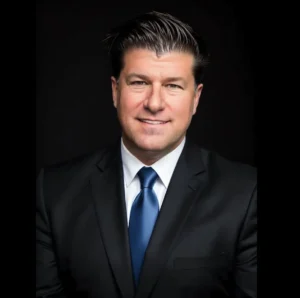

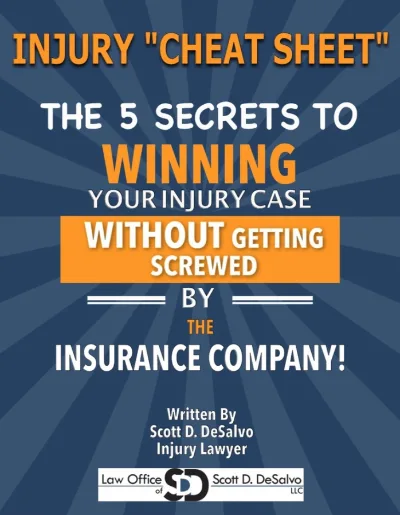

Scott DeSalvo founded DeSalvo Law to help injured people throughout Chicago and surrounding suburbs. Licensed to practice law in Illinois since 1998, IARDC #6244452, Scott has represented over 3,000 clients in personal injury, workers compensation, and accident cases.
No Fee Unless You Win | Free Consultation | 24/7 Availability Call or Text: (312) 500-4500
>>Read More
Main Office:
1000 Jorie Blvd Ste 204
Oak Brook, IL 60523
New Cases: 312-500-4500
Office: 312-895-0545
Fax: 866-629-1817
service@desalvolaw.com
Chicago and Other Suburban Offices
By Appointment Only