

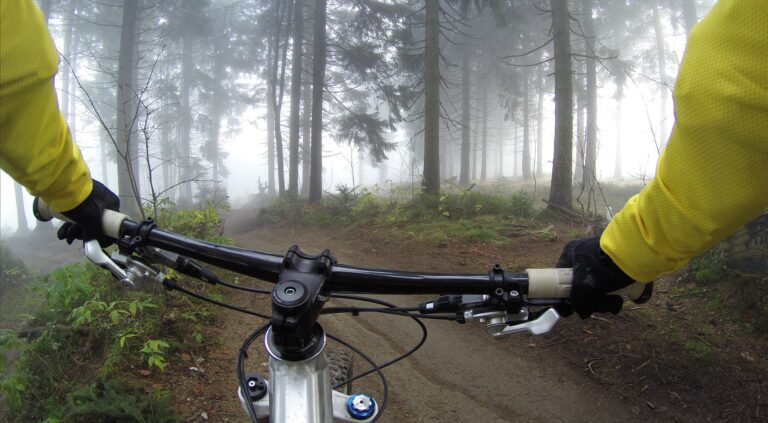
Chicago cyclists have more legal protection than most people realize. Illinois and the City of Chicago have enacted specific statutes and ordinances designed to protect bicyclists on the road. When a driver violates those laws and hits a cyclist, proving fault becomes significantly easier.
The three-foot passing law is the big one. Under 625 ILCS 5/11-703.1, motorists in Illinois must leave at least three feet of space when passing a bicycle. If a driver clips you because they passed too close, that is a per se violation of the statute. It does not just support your case. It is essentially a roadmap to liability. The driver broke the law, and the violation caused your injuries.
Chicago's bike lane protections add another layer. The Chicago Municipal Code prohibits vehicles from driving, standing, or parking in designated bike lanes except when making a turn. When a driver cuts through a bike lane without looking, or parks in the lane forcing you into traffic, they are violating a city ordinance designed specifically to protect you. That violation is admissible as evidence of negligence.
Dooring cases are among the most devastating bicycle accidents I see in Chicago. A parked driver or passenger opens their door directly into the path of a cyclist. At twenty miles per hour, the impact is like hitting a wall. Illinois law under 625 ILCS 5/11-1407 prohibits opening a vehicle door into the path of traffic unless it is reasonably safe to do so. Chicago's ordinance goes further and creates a specific fine for dooring. When it happens, the driver is almost always at fault.
Right hook accidents at intersections are the most common collision pattern. A car passes you on the left and then turns right directly in front of you, cutting off your path. The driver either did not see you or did not care. Under Illinois law, the turning vehicle must yield to through traffic, and that includes bicycles. These cases often come down to witness testimony and intersection camera footage.
Here is what you should do to protect your case after a bicycle accident in Chicago. First, do not move your bike until the police arrive and document the scene. The position of the bike and the vehicle tells a story about how the collision happened. Second, look for cameras. Chicago has an extensive network of traffic and surveillance cameras, and many businesses have cameras facing the street. Note the location of every camera you can see. Third, get the driver's information and any witness contact information before they leave.
Preserve your bike and your helmet. Do not throw them away and do not get them repaired. They are physical evidence. The damage to the bike can be analyzed by an expert to determine the speed and angle of impact. A cracked helmet proves the severity of the head impact.
If a driver hit you while you were cycling in Chicago, call me at 312-500-4500. Cyclist cases are some of the most clear-cut liability cases I handle, and I want to make sure you get every dollar you deserve.

Call the police so there's an official accident report, get medical attention even if you feel okay, take photos of the scene and your injuries, get the driver's insurance information, preserve your bike and helmet as evidence (do not repair or discard them), and contact a bicycle accident lawyer before giving any statements to the insurance company.
Yes. Illinois has no law requiring adult cyclists to wear helmets. The insurance company may try to argue that not wearing a helmet contributed to your injuries, but under Illinois modified comparative negligence law (735 ILCS 5/2-1116), you can still recover as long as you were less than 50% at fault for the accident.
The at-fault driver's auto liability insurance is responsible for your medical bills, lost wages, and pain and suffering. If the driver was uninsured or underinsured, your own auto insurance policy's uninsured/underinsured motorist coverage under 215 ILCS 5/143a-2 may apply - even though you were on a bicycle.
It depends on the severity of your injuries, your medical bills, lost wages, and the impact on your daily life. Every case is different and the value of any individual case depends on the specific facts. An honest valuation requires reviewing the medical records, the police report, and the available evidence of liability and damages.
You have two years from the date of the accident to file a personal injury lawsuit under the Illinois statute of limitations (735 ILCS 5/13-202). If a government entity is involved - for example, if a CTA bus or city vehicle hit you - shorter deadlines and notice requirements apply under the Illinois Local Governmental and Governmental Employees Tort Immunity Act (745 ILCS 10/8-101), so contact a lawyer right away.

Would you like to know more about what to do after bicycle accident?
If you or a loved one is dealing with a situation like this, give us a call any time, day or night. We are here to help. 312-500-4500

Scott DeSalvo founded DeSalvo Law to help injured people throughout Chicago and surrounding suburbs. Licensed to practice law in Illinois since 1998, IARDC #6244452, Scott has represented over 3,000 clients in personal injury, workers compensation, and accident cases.
No Fee Unless You Win | Free Consultation | 24/7 Availability Call or Text: (312) 500-4500
>>Read More
Main Office:
1000 Jorie Blvd Ste 204
Oak Brook, IL 60523
New Cases: 312-500-4500
Office: 312-895-0545
Fax: 866-629-1817
service@desalvolaw.com
Chicago and Other Suburban Offices
By Appointment Only