

Your child was sick. You knew something was wrong. You brought your child to the doctor, maybe more than once, and the doctor told you it was nothing serious. A virus. Growing pains. A stomach bug. An ear infection. You trusted that diagnosis because you trusted the doctor. And then the real condition revealed itself, sometimes violently, sometimes after irreversible damage had already been done. Now you are living with the consequences of a doctor’s failure to listen, to test, to think carefully about what was happening inside your child’s body.
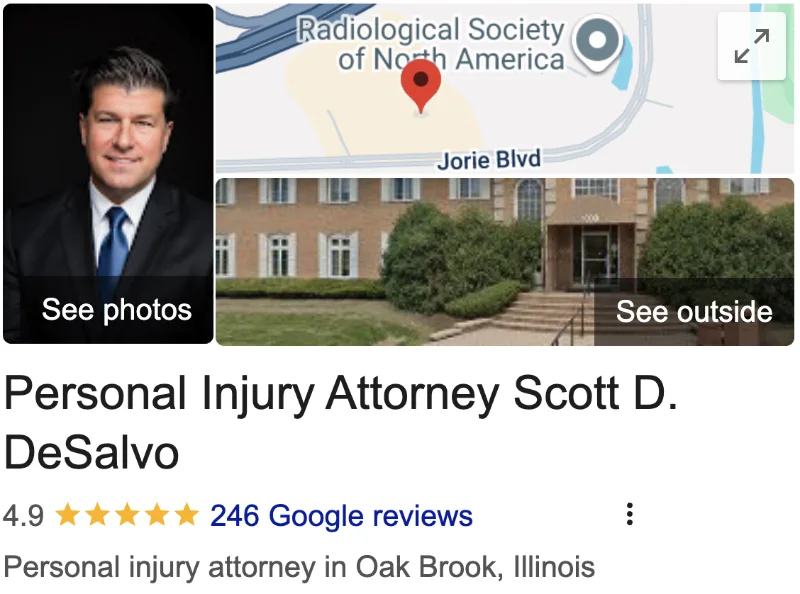
If this is your family’s story, I want to talk to you. My name is Scott DeSalvo. I have practiced personal injury law in Illinois for more than 27 years, and delayed diagnosis cases involving children produce some of the most devastating harm I have encountered in my career. Children are not small adults. Their bodies present differently. Their symptoms can be ambiguous. They cannot always articulate what they are feeling. All of that makes it easier for a physician to get the diagnosis wrong, and it makes it absolutely critical that physicians working with pediatric patients exercise the level of diligence and care that children deserve.
My approach to the law was shaped by watching my father, a truck driver and proud Teamster, endure a catastrophic work injury when I was nine years old. He spent 17 years fighting a legal system that treated him like an afterthought. I built DeSalvo Law to make sure that never happens to anyone on my watch. When a child is harmed because a doctor failed to diagnose a treatable condition in time, the stakes are not measured in months of recovery. They are measured in a lifetime of consequences. Those cases demand a lawyer who will invest the time, the resources, and the emotional commitment to pursue accountability at every level.
Call 312-500-4500 any time. I answer personally. The consultation costs nothing and everything we discuss stays between us.

A study by The Doctors Company, the nation’s largest physician-owned malpractice insurer, reviewed more than 1,200 malpractice claims involving pediatric patients between the ages of one month and 17 years that were resolved between 2008 and 2017. The single most common allegation was a missed, failed, or wrong diagnosis. Diagnostic errors accounted for 34 to 44 percent of all claims filed on behalf of children over the age of one month, and they were the second most common claim in suits involving infants under one month. These errors typically resulted from inadequate medical assessments.
Separate research from the Physicians Insurers Association of America, drawing on 20 years of claims data, identified the specific conditions most likely to generate pediatric malpractice lawsuits: meningitis, appendicitis, and pneumonia. A published survey of pediatricians at three major academic medical centers found that more than half of responding physicians reported making a diagnostic error at least once or twice per month, and nearly half reported errors that caused patient harm at least once or twice per year. These are not outlier statistics. Diagnostic error is deeply embedded in pediatric medicine, and the consequences for children are disproportionately severe because their conditions can deteriorate far more rapidly than an adult’s.
Meningitis is the condition most commonly associated with pediatric malpractice litigation, and for good reason. Bacterial meningitis progresses with terrifying speed. A child who appears to have a mild flu in the morning can be in septic shock by evening. Early symptoms, including fever, irritability, poor feeding, and lethargy, mimic dozens of common childhood illnesses. In infants under two years old, the classic signs of meningitis that appear in older children and adults, such as neck stiffness and photophobia, are often absent. Research on litigated meningitis cases found that most claims involved patients under two years of age, and a quarter of the children had no fever at the time of the missed diagnosis. When a pediatrician or emergency physician dismisses these symptoms as a viral illness and sends the child home without performing a lumbar puncture or blood cultures, the window for effective antibiotic treatment closes. The resulting brain damage, hearing loss, seizure disorders, and death are consequences of a diagnosis that came too late.
Appendicitis is the most common surgical emergency in children, yet it is also one of the most frequently misdiagnosed. Nearly three-quarters of litigated appendicitis cases involve claims of delayed or missed diagnosis. The challenge is that appendicitis in children, particularly younger children, presents differently than in adults. Instead of the classic right lower quadrant pain, children may complain of diffuse abdominal pain, vomiting, or diarrhea. Adolescent girls are frequently misdiagnosed with pelvic inflammatory disease or urinary tract infections. A non-diagnostic ultrasound, meaning one where the appendix is not visualized, has a negative predictive value of only 86 percent, which means that 14 percent of the time, the appendix is actually inflamed even though the imaging did not show it. Physicians who rely too heavily on a single non-diagnostic imaging study and discharge the child without follow-up are making a decision that can lead to appendiceal rupture, peritonitis, abscess formation, sepsis, and in the worst cases, death.
Childhood cancer is rare, which paradoxically makes it more likely to be missed. Physicians do not expect to see cancer in a six-year-old, so they attribute the symptoms to more common conditions. Persistent fatigue is blamed on a growth spurt. Bone pain is attributed to sports injuries. Recurrent fevers are treated as viral infections. Unexplained weight loss is chalked up to picky eating. Swollen lymph nodes are labeled as reactive. Meanwhile, the malignancy advances. Leukemia, brain tumors, lymphomas, neuroblastoma, and Wilms tumor are among the childhood cancers most frequently subject to diagnostic delay. A delayed cancer diagnosis in a child can mean the difference between a localized tumor that responds to treatment and a metastatic disease that requires years of aggressive therapy with lasting side effects, or that proves fatal. When a pediatrician fails to order basic blood work in response to persistent, unexplained symptoms, or fails to refer a child to a specialist when initial treatment does not resolve the problem, the resulting delay constitutes a breach of the standard of care.
Sepsis is the body’s overwhelming and potentially fatal response to infection. In children, sepsis can develop from common infections, including urinary tract infections, pneumonia, and skin infections, when those infections are not identified and treated promptly. Pediatric sepsis progresses through stages, from systemic inflammatory response syndrome to severe sepsis to septic shock, and each stage narrows the window for effective intervention. The early signs of sepsis in children, such as elevated heart rate, rapid breathing, fever or hypothermia, and altered mental status, can be subtle and are easily attributed to less serious conditions. When a healthcare provider fails to recognize the trajectory of a child’s deteriorating condition and does not initiate aggressive fluid resuscitation and broad-spectrum antibiotics, the child may suffer organ failure, loss of limbs, brain damage, or death. Delays measured in hours, not days, can determine the outcome.
Testicular torsion occurs when the spermatic cord twists, cutting off blood supply to the testicle. It is a urological emergency that requires surgical correction within six hours to save the testicle. The condition most commonly affects boys between the ages of 12 and 18, but it can occur at any age. Published data shows a testicular loss rate of 34 to 42 percent in litigated cases, largely because of delayed diagnosis. Complicating the picture is that 10 percent of boys with testicular torsion present with isolated abdominal pain rather than scrotal pain, leading physicians to pursue abdominal diagnoses while the clock runs out on the testicle. An emergency room physician who sends a teenage boy home with a diagnosis of a stomach virus when the actual condition is testicular torsion has committed an error with permanent consequences.
Congenital heart defects are the most common type of birth defect, affecting roughly one in every 100 births. Many are identified during prenatal ultrasounds or newborn screening, but some are missed, particularly conditions like coarctation of the aorta, anomalous pulmonary venous return, and critical aortic stenosis that may not produce an obvious murmur at birth. A delayed diagnosis of a critical congenital heart defect can result in heart failure, brain injury from inadequate oxygenation, and sudden death. Pediatricians have a duty to perform thorough cardiac examinations at well-child visits and to refer promptly when findings suggest a structural heart abnormality. Failure to recognize cyanosis, poor feeding, failure to thrive, or an abnormal pulse oximetry reading can constitute malpractice when the delay leads to preventable harm.
Several factors make pediatric patients more susceptible to misdiagnosis than adults, and understanding these factors is essential to building a malpractice case:
Children, especially infants and toddlers, cannot describe their symptoms. A three-year-old cannot tell a doctor that the pain is sharp, localized to the right lower quadrant, and worse with movement. The physician must rely on physical examination, parental history, and clinical judgment. When a physician does not take adequate time to examine the child or dismisses a parent’s concerns as overreaction, critical information is lost.
Many serious pediatric conditions mimic common, benign illnesses in their early stages. Meningitis looks like the flu. Appendicitis looks like gastroenteritis. Leukemia looks like a lingering virus. The standard of care requires physicians to consider dangerous diagnoses on the differential even when the most likely explanation is benign. A physician who anchors on the first diagnosis without considering alternatives is engaging in a well-documented cognitive error known as premature closure, and it is one of the most common contributors to diagnostic failure in children.
Telephone triage errors are disproportionately represented in pediatric malpractice claims. When a parent calls a pediatrician’s office describing a child’s symptoms, the triage nurse or physician who fields the call must make judgments about whether the child needs to be seen immediately, can wait for a scheduled appointment, or can be managed at home. Errors in telephone triage, such as underestimating the severity of symptoms or failing to ask the right questions, delay the child’s access to a physical examination and diagnostic testing. When that delay allows a treatable condition to become a catastrophic one, the responsibility falls on the medical practice.



A delayed diagnosis malpractice case requires establishing the same four elements that apply to all medical malpractice claims in Illinois, but with nuances specific to the pediatric context:
The duty of care is established when a physician-patient relationship exists. For children, this relationship is typically created through the parent, who brings the child for treatment. The duty extends to every provider involved in the child’s care, including the pediatrician, any specialists, emergency room physicians, nurses, and hospital systems.
The breach of the standard of care must be established through expert testimony. Under 735 ILCS 5/2-622, the plaintiff must file an affidavit and expert report from a qualified healthcare professional confirming that there is a reasonable and meritorious basis for the claim before the lawsuit can proceed. In pediatric delayed diagnosis cases, the expert must be knowledgeable about the specific condition that was missed and the standard of care applicable to the type of physician who failed to diagnose it. The expert will evaluate whether the physician took an adequate history, performed an appropriate physical examination, ordered the correct diagnostic tests, interpreted test results correctly, and considered the relevant differential diagnoses.
Causation requires proving that the delay, rather than the underlying condition itself, caused the child’s injuries. This is often the most hotly contested element, because the defense will argue that the child’s outcome would have been the same even with an earlier diagnosis. Your experts must demonstrate, with a reasonable degree of medical certainty, that timely diagnosis and treatment would have prevented or reduced the harm. In many pediatric conditions, the medical literature provides strong support for this element, because early treatment outcomes are dramatically better than late treatment outcomes.
Damages encompass the full scope of harm caused by the diagnostic delay. In pediatric cases, this often means a lifetime of consequences: additional medical treatment, future surgeries, therapy, special education, adaptive equipment, lost earning capacity, physical pain, emotional suffering, and the loss of a normal childhood. Because children have decades of life ahead of them, the financial value of a delayed diagnosis case involving a child can be substantial.

One of the most important legal protections for children who are victims of medical malpractice in Illinois is the extended statute of limitations under 735 ILCS 5/13-212(b). While the general rule requires malpractice claims to be filed within two years of discovery and no later than four years after the negligent act, the rules for minors are significantly more generous.
A minor has eight years from the date of the alleged malpractice to file a lawsuit. However, the claim must be filed before the child’s 22nd birthday, whichever comes first. This means that for a child injured at birth, the family has until the child’s eighth birthday to file. For a child injured at age 10, the family has until the child turns 18. For a child injured at age 16, the family has until the child turns 22.
If the child suffered a brain injury as a result of the delayed diagnosis, the statute of limitations is extended further. It does not expire for as long as the child continues to have the brain injury, even into adulthood. This provision recognizes that children with brain injuries may never be in a position to advocate for themselves and should not lose their legal rights because of the very disability that was caused by the malpractice.
There is a critically important exception that catches many families off guard. If the physician who caused the harm was a federal employee or was working at a federally funded health center, the Federal Tort Claims Act applies instead of the Illinois statute. Under the FTCA, the administrative claim must be filed within two years of the injury, regardless of the child’s age. The eight-year protection for minors does not apply to FTCA claims. Federally funded clinics and community health centers are scattered throughout Chicago and its suburbs, and parents may not realize that their child’s doctor falls under federal jurisdiction. Missing the FTCA deadline can permanently eliminate the family’s right to pursue the case.
Find Out What YOUR Case Might Be Worth...for free.
At the heart of most pediatric delayed diagnosis cases is a concept called the differential diagnosis. When a physician evaluates a child with a set of symptoms, the standard of care requires the physician to generate a list of possible diagnoses, ranked from most likely to most dangerous. The physician must then systematically rule out the dangerous conditions through examination, testing, and follow-up before settling on a benign diagnosis.
When a physician skips this process, the error is not just a lapse in judgment. It is a departure from the fundamental methodology of clinical medicine. If a child presents with persistent abdominal pain and vomiting, the differential should include appendicitis, intussusception, bowel obstruction, and other surgical emergencies alongside the more common possibilities of gastroenteritis and constipation. If a child presents with prolonged fever, fatigue, and easy bruising, the differential must include leukemia alongside viral illness. The physician who fails to consider the dangerous possibilities, or who considers them but fails to order the tests needed to rule them out, has breached the standard of care.
This analytical framework is powerful in a courtroom because it is objective and teachable. A jury does not need a medical degree to understand that a doctor should have thought about the worst-case scenario before telling a worried parent that everything was fine.
The damages available in a child’s delayed diagnosis case reflect the reality that children have an entire lifetime ahead of them, and the harm caused by a diagnostic failure compounds over decades:
Medical expenses include every additional treatment, surgery, hospitalization, therapy session, medication, and piece of adaptive equipment that the child requires as a result of the delayed diagnosis. For conditions that cause permanent disability, these costs extend over the child’s entire projected lifespan and are calculated using life care plans prepared by qualified experts.
Lost earning capacity represents the income the child would have earned over their working life but for the injury. Even for very young children, economists can project future earnings based on statistical data about educational attainment, average wages, and workforce participation. When a delayed diagnosis causes cognitive impairment, physical disability, or chronic health conditions that limit the child’s future employability, the lost earning capacity damages can be significant.
Pain and suffering encompasses the physical pain of additional medical procedures, the emotional anguish of living with a preventable disability, the loss of childhood experiences, the social isolation that can accompany chronic illness or disability, and the psychological impact of knowing that the harm could have been avoided.
Parents may also have claims for their own damages, including the emotional distress of watching their child suffer, the costs of caring for a disabled child, lost wages from time spent on medical appointments and caregiving, and loss of their child’s companionship and society. Under Illinois law, there are no caps on damages in medical malpractice cases.

Cases involving children who were harmed by diagnostic failure demand a particular combination of legal skill, medical knowledge, and human sensitivity. The parents are carrying guilt, anger, and grief in equal measure. The child’s needs are urgent and ongoing. The medical records are complex. And the hospital’s defense team will be aggressive, well-funded, and determined to characterize the missed diagnosis as a reasonable clinical judgment.
I bring more than 30 jury trials of experience to these cases. I am a graduate of Gerry Spence’s Trial Lawyer’s College, a program that accepts a fraction of the attorneys who apply, and I completed The Edge, an advanced course for seasoned trial lawyers. I also have training in trauma-informed interviewing, which matters enormously when working with families who are reliving the worst experience of their lives as we build the case.
My office provides bilingual services in English and Spanish. Si su hijo fue víctima de un diagnóstico tardío, podemos ayudarle en español. Language should never prevent a family from getting justice for their child.


If your child was seen by a physician who failed to recognize a serious condition, and the delay in diagnosis caused your child harm that could have been prevented with earlier treatment, there may be a malpractice case. The determination requires expert medical review. When you call my office, I will evaluate the facts and, if appropriate, arrange for a qualified specialist to review your child’s medical records and provide an honest assessment.
It matters enormously. When a parent reports symptoms to a physician and the physician dismisses them without adequate investigation, that dismissal can itself constitute a breach of the standard of care. Parental observations are a vital part of the diagnostic process for children, and the failure to take them seriously is a recognized contributor to diagnostic error in pediatrics.
Illinois gives minors extended time to file malpractice claims. The deadline is eight years from the date of the malpractice or until the child’s 22nd birthday, whichever comes first. If the child suffered a brain injury, the statute does not expire while the brain injury persists. However, if the treating physician was a federal employee, the deadline may be only two years under the Federal Tort Claims Act. Because the applicable deadline depends on the specific facts, consulting with a lawyer promptly is the safest course.
Yes. The question is not whether the child recovered, but whether the delayed diagnosis caused harm that would not have occurred with a timely diagnosis. Even a child who ultimately survives may have endured unnecessary pain, additional medical procedures, a longer hospitalization, permanent side effects, or psychological trauma because of the delay. All of these constitute compensable damages.
Multiple defendants can be named in a single lawsuit. If your child was seen by a pediatrician, an emergency room physician, and a specialist, and each one failed to diagnose the condition, all of them, along with their employers, can be held liable. Identifying every responsible provider is one of the first things I do when evaluating a case.
Nothing upfront. I handle pediatric malpractice cases on a contingency fee basis. My fee comes solely from the recovery we obtain for your family. If there is no recovery, you owe me nothing. I invest my own resources into the expert reviews, the investigation, and the litigation because I only take cases I am committed to winning.
In most cases, children do not testify, particularly younger children. The case is built through medical records, expert testimony, and the testimony of the parents and treating physicians. In cases involving older teenagers, there may be situations where the child’s testimony is helpful, but I would never put a child on the witness stand unless it was both necessary and in the child’s best interest.
I take these cases personally. Every parent who walks through my door is someone whose trust was broken by the medical system, and every child who was harmed deserved better. I stay personally involved in every case from beginning to end. I do not hand cases off to associates or paralegals. I prepare every case for trial, and the hospitals and insurance companies I go up against know that. Call 312-500-4500 and talk to me directly. That is the first difference you will notice, and it will not be the last.

The doctor who missed the diagnosis is not going to call you and admit the mistake. The hospital is not going to send a letter explaining what went wrong. If you want answers, you have to go get them, and you need a lawyer to do it. Medical records. Deposition testimony. Expert analysis. That is how the truth comes out.
Call 312-500-4500. Tell me what happened to your child. I will listen carefully, ask the right questions, and give you an honest answer about whether you have a case and what I believe it may be worth. The consultation is free. The conversation is confidential. And if I take your case, you will never pay a dollar unless we win. Your child trusted the adults in the room to protect them. If those adults failed, I am here to hold them accountable.


Scott DeSalvo founded DeSalvo Law to help injured people throughout Chicago and surrounding suburbs. Licensed to practice law in Illinois since 1998, IARDC #6244452, Scott has represented over 3,000 clients in personal injury, workers compensation, and accident cases.
No Fee Unless You Win | Free Consultation | 24/7 Availability Call or Text: (312) 500-4500
>>Read More
Main Office:
1000 Jorie Blvd Ste 204
Oak Brook, IL 60523
New Cases: 312-500-4500
Office: 312-895-0545
Fax: 866-629-1817
service@desalvolaw.com
Chicago and Other Suburban Offices
By Appointment Only