


Look, I'm going to be direct with you. Phones behind the wheel are just as deadly as alcohol impaired driving. People understand that logically. But here's where it gets complicated—we can't just blow into a breathalyzer to prove it.
You pull a drunk driver off the road? There's a test. There's evidence. Blood alcohol levels. Scientific measurements nobody argues with. But somebody who was texting? Scrolling their TikTok feed? Changing songs on Spotify? Nobody can see that happening. The driver sits there and claims they were distracted by a sign, or glare hit the windshield just right, or their eyes didn't adjust fast enough. That's their story. And without something concrete...
And that's the problem. That's what separates these cases from anything else. The evidence exists—absolutely, it's out there—but it lives in a phone. App logs. Cell tower records. GPS location data. That device knows exactly what was happening when your life got turned upside down. The catch? Phone companies are not holding onto this stuff indefinitely. Six months, maybe a year. Then it's wiped. Gone for good. And if the other driver starts panicking and resets their phone to factory settings? You're staring at nothing.
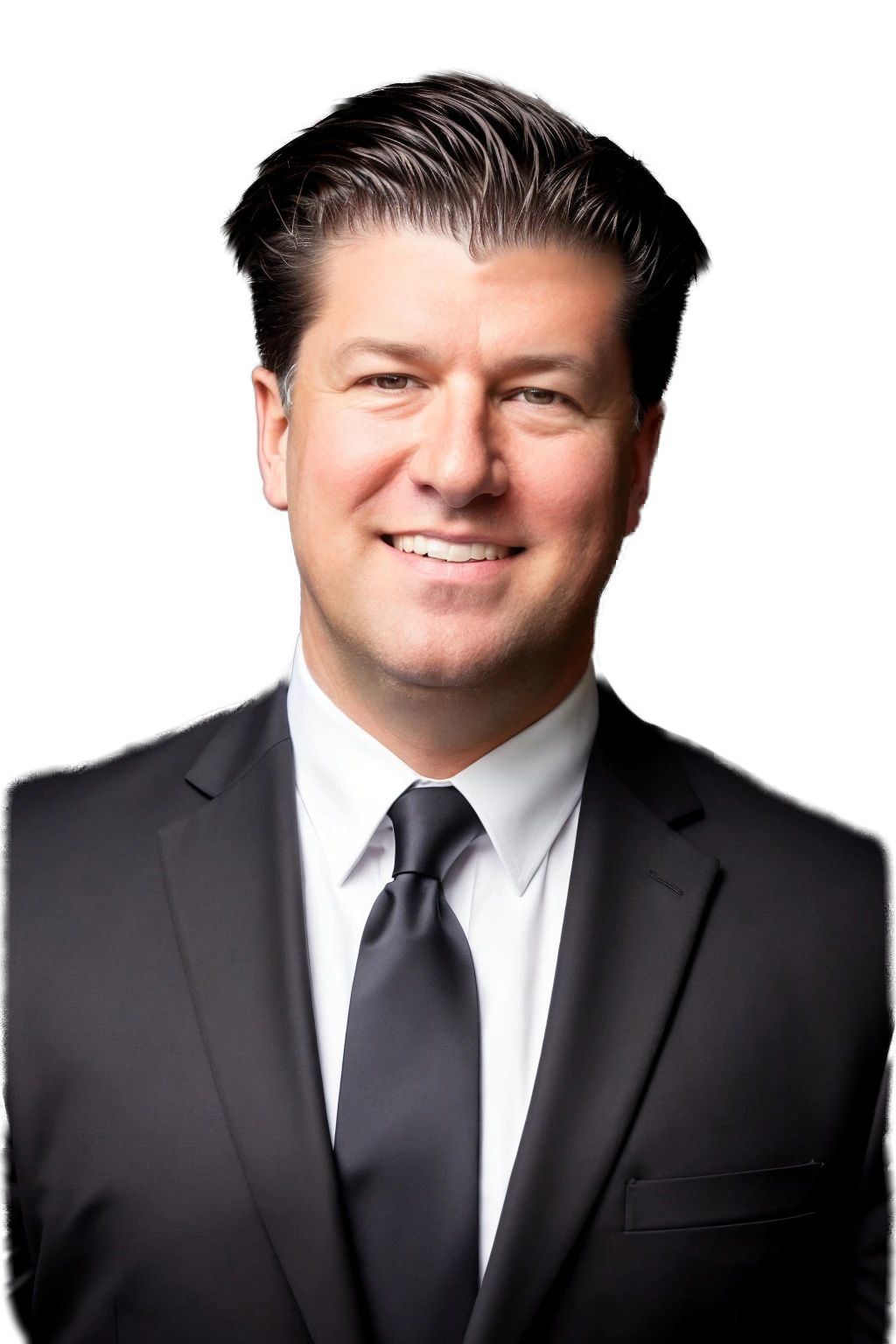
I'm Scott D. DeSalvo. Licensed since 1998. That means I've been doing this for longer than most lawyers have been practicing. I didn't just hang out a shingle. Three thousand-plus clients. Thirty jury trials I've personally tried. Training from Gerry Spence's Trial Lawyers College—that's the best in the country. I've also trained at the Keenan Trial Institute. Half a million dollars—that's not an exaggeration—I put directly into learning how to win. Because when someone gets hit by a careless driver, they need an actual lawyer, not someone filing paperwork.
My father was a Teamster. Got hurt on the job. Catastrophic injury. My family spent seventeen years fighting to get him what he deserved. Another lawyer sued us over fees at the end. That experience—watching what that does to a family—it shaped everything about how I practice law. I take these cases across Chicago. The whole Northern Illinois area. And here's the deal: you don't pay me anything unless I get you money. Call me at 312-500-4500. Twenty-four hours a day. Seven days a week. Three hundred sixty-five days a year.
These claims appear straightforward. Someone wasn't focused on the road. They hit you. That should be the end of it, right? Not really. Once you start pulling at the threads, things get messy real fast.
Before you even call an attorney, the insurance company is already moving. They're constructing their defense. Working backward from what they want to be true: "Our driver did nothing wrong." They're coaching the story with softball questions. Checking the driver's history for prior claims. Sending someone out to photograph the crash scene in ways that help their narrative. And if they find witnesses who barely saw anything? Perfect. They get those people to sign statements saying they saw nothing at all.
So you file a claim. And their response? "We don't think those injuries are as serious as you're claiming." Or maybe: "Road conditions contributed." But the big one—the one that torpedoes cases—is this: "We have zero evidence our driver was using their phone."
That's the whole ballgame right there. You can't prove distraction, you're essentially fighting in the dark.
But here's something important. Illinois has a specific law. 625 ILCS 5/12-610.2. It bans handheld phones while driving. Full stop. Now if the other driver was breaking that law at the moment of impact, we're not talking negligence. We're talking negligence per se. The legal burden shifts. Suddenly the deck is stacked in your favor. Except—and this part matters—you still have to prove the phone was in active use when the crash happened. Which brings you back to digital evidence.
Timing is what kills these cases before they get off the ground. Phone carriers don't hold that data. Six, maybe twelve months, and then it's purged from their systems. If somebody waits three months to hire an attorney, and then that lawyer takes another few weeks getting started, you're already losing time. And if the driver who caused the accident gets nervous and wipes their phone clean? The evidence trail is gone.
This is why on day one—literally day one—I'm sending a preservation letter to the carrier. Subpoenas for cell records. Data from the apps. GPS logs. If I can get the actual phone, a forensics expert can pull it apart. Show me what apps were running. When they were accessed. Whether the screen was being actively used at the moment of impact. That's ammunition. It makes the insurance company's defense much harder to sell.
And they know it. They absolutely know it. Once that evidence shows up in the case file, they can't keep pretending distraction didn't happen. The settlement value changes. A jury trial becomes an actual risk for them. That's the only reason they push so hard to settle early—before anyone's had time to pull those records.
First thing. I map out every possible defendant.
The driver. Obviously. If they were distracted by their phone and caused the crash, that's negligence. But if they were violating 625 ILCS 5/12-610.2—the phone ban—that's negligence per se. Makes liability clearer. And if the jury thinks this driver knew better, knew it was dangerous, and did it anyway—we're looking at willful and wanton conduct. Which can trigger punitive damages. Picture someone doing 45 mph through a residential neighborhood while scrolling TikTok. Juries punish that.
The employer. Was the driver working? Delivering for a package service? Driving for Uber? Rideshare gig? On the clock for a temp company? If they were working, the employer gets pulled in under respondeat superior. The company's responsible for what employees do on company time. Doesn't matter if they have a strict "no phones" policy. They're still responsible. And here's the important part—the employer's insurance is almost always way bigger than whatever the driver carries personally. That makes a meaningful difference.
Phone manufacturers or the companies that make the apps. Unusual, but it happens. If a phone or app was literally designed to make drivers distracted, there could be product liability involved. Not common. I consider it though.
Uber, Lyft, DoorDash, Amazon Flex—the big platforms. These companies have huge insurance reserves. When their drivers cause a crash while distracted, the driver takes the hit, but the platform's coverage usually kicks in too. That changes everything about what a case is really worth.
And other factors at the scene. Road construction blocking visibility? A traffic light that's broken? Poor road design? None of that makes the distracted driver less responsible. But it does complicate the picture. Illinois follows a comparative fault system. A jury might assign some fault to other places. Even to you, if the insurance company can make that stick. And they will try. The entire strategy is: identify every possible defendant, every insurance policy, every coverage source. That tells you what's actually recoverable.

Insurance companies have a script. I could probably recite it backwards at this point.
"Show us the proof the driver was distracted." This is where they start every time. They say there's nothing showing phone use. They throw out other explanations. Mechanical issue with the car. Weather conditions. Visibility problem. What they're doing is running out the clock. Hoping you never subpoena those cell records. Because here's the thing: if nobody asks for the records, nobody gets them. The evidence stays buried.
"You're exaggerating your injuries." They bring in a hired expert—always a hired expert, never one who saw you—who writes a report. Soft tissue damage heals in six weeks. Eight weeks maximum. Your pain now? Psychological. Your treatment is overkill. And hey, weren't you smiling in that Facebook photo last month? You must be fine. I've watched this happen more times than I can count. It's predictable.
"You share blame for this." You had a green light? You were in the crosswalk legally? You did everything right? Doesn't matter. They'll argue you should have seen the car. Should have jumped back. Should have been more alert. In Illinois, even 1% comparative fault reduces what you get by 1%. So they plant that seed early and water it constantly.
"Let's settle this before it gets complicated." Their favorite play in distracted driving cases. They offer something—maybe $25,000, maybe $40,000—and call it reasonable. What they're actually doing is getting your case closed before anyone forensically examines the defendant's phone. Because the moment that evidence comes out proving the driver was actively texting at the moment of impact, the case value goes up two or three times over. But you've already signed the release. Too late.
"The policy limit is it." The at-fault driver has a $50,000 policy? The insurance company pretends that number is carved in stone. What they're conveniently forgetting: if we prove the driver was on their phone and the behavior was willful and wanton, punitive damages come into play. And here's the kicker—punitive damages don't get covered by the liability insurance. They're not capped by policy limits. They come directly from the defendant's personal assets. Insurance companies are terrified of that. That's why they want your case locked down before punitives even enter the conversation.
The insurance company is not trying to do you right. They're trying to minimize what they pay out. They're betting you don't have the resources to push back.
Don't make that easy for them.

Insurance companies only pay the real value of a case when they believe the lawyer across from them will actually take it to trial.
That's it.
When a case lands on an adjuster's desk, they're making a calculation, "Is this going to trial? Can they win? What will twelve people do with this?" If they think the case will quietly settle because the lawyer is inexperienced or stretched too thin or just wants a quick fee, they lowball. They lowball hard. But if they think there's a real possibility this thing ends up in front of a jury who's not going to like hearing about the defendant scrolling through Instagram while driving 45 mph? The offer changes. It goes up. Way up.
My father was a Teamster driver. He got catastrophically hurt on the job. My family spent seventeen years fighting to get him what he deserved. Another attorney sued my father for legal fees at the end. All that pain, all that suffering, and then having to fight over attorney fees—that changed me. That's why I do this work. That's why I don't cut corners. When I take a case, I commit to it fully.
I didn't just hang a shingle and start taking cases. I trained at Gerry Spence's Trial Lawyers College. That's the gold standard. I trained at the Keenan Trial Institute too. Those aren't seminars where you sit in a hotel ballroom. Those are intensive, hands-on programs. I've spent more than half a million dollars on advanced trial education over the course of my career. Licensed in 1998. More than 3,000 cases. Thirty jury trials where I was the trial attorney. Over 100 arbitrations. That's not resume padding. That's experience.
Here's what I actually do. Day one, I send preservation letters to phone carriers. Subpoenas go out for cell records, app usage data, GPS information. If I can obtain the physical phone, a digital forensics expert examines it thoroughly—which apps were operating, when they were accessed, whether the screen was active at the moment of impact. I interview witnesses early, before memories fade. I photograph the scene. I measure it. If necessary, I bring in an accident reconstructionist. I pull the defendant's driving history, prior wrecks, any pattern of recklessness. By the time discovery closes, I don't have a theory about what the driver was doing on their phone. I have actual proof.
Regarding injuries—I build the complete cost. Not what insurance wants to claim. The actual cost. If ongoing treatment is needed, I bring in a life care planner. An economist calculates lost wages and lost earning capacity. Medical professionals testify about permanent effects. I'm not limited to current expenses. I'm looking at twenty or thirty years of costs.
Courtrooms are different. Thirty-plus jury trials will teach you things no CLE ever could. I've watched juries react. I know what evidence makes them sit forward. I know what makes them tune out. Chicago juries especially—they don't appreciate out-of-state insurance companies minimizing their neighbors' suffering. And they really dislike a driver who couldn't put down their phone. My training under Gerry Spence—the man's a legend—and at Keenan gave me skills that matter at settlement and at trial. The insurer knows I'm not bluffing when I say we'll go. That knowledge changes what they'll offer.
Thirty years licensed. Over three thousand cases. Training costs exceeding most people's mortgages. When I tell an insurance company I'm prepared to try this case, they don't speculate about my commitment. They understand it. And that understanding moves the settlement needle.
"Scott is absolutely fantastic. He will always go the extra mile for his clients. They always take the time to return phone calls at all hours and I highly recommend him to all my friends."
-Melissa Brooks
"Great people and Scott's a great lawyer. They helped me make the wisest decision for my case, and that's important in serious legal matters. I trust him completely. He is the one to call."
-Tony Skvarenina
"Beyond satisfied with the services I received from this law firm. Definitely recommend! They got me fully paid and all the doctor bills, too. If you want the best, this is the law firm for your injury case!"
-Cynthia Rodriguez
"Scott represented me and I was really pleased with everything, my car accident paid a lot and quick. If you want a good Lawyer who is responsive, and straight with you, I highly recommend him."
-Greg Garcia
You're looking at two categories of money in Illinois distracted driving cases. Compensatory damages. And—when the facts are egregious enough—punitive damages.
Medical costs. Everything connected to injury. Emergency room visits. Hospital stays. Surgical procedures. Imaging. Physical therapy. Medications. Equipment and devices. All of it. If the injury persists, you're entitled to recover the present value of future medical care. What treatment costs five years out, ten years, twenty years—we calculate that in today's dollars.
Income losses. Work you missed means paychecks you missed. You recover those. If the injury permanently changes what work you can perform, or whether you can work at all, we calculate lost earning capacity across your career. For someone injured young, this number frequently becomes the largest part of the case.
Pain and suffering. Hard to put a number on, but juries do it constantly. It's often the biggest number in a settlement. The physical pain. The emotional impact. Things you enjoyed that you can't do anymore. Stress on your relationships. Anxiety. Recurring nightmares about the crash. Can't play with your kids because your back won't take it? That has monetary value. Can't sleep through the night because you're reliving the impact? That has monetary value.
Scarring or disfigurement. Physical scars left behind by the crash? You get compensated for both the cosmetic impact and the emotional burden of carrying those marks.
Punitive damages. This is the one insurance companies truly fear. If a jury determines the defendant's distraction was willful and wanton—not careless, but reckless with knowledge it was dangerous—punitive damages are possible. They don't come from insurance. That money gets pulled from the at-fault party's personal finances. A driver who sent 47 texts in the 20 minutes before the crash? That qualifies. Someone filming TikTok while driving? Absolutely. Punitive damages can exceed compensatory damages. That's why insurers pay significantly to keep cases like this away from juries.
Wrongful death. When a distracted driver kills someone in your family, survivors pursue wrongful death claims. Lost wages. Medical and funeral costs. The loss of that person's presence and companionship in your lives.
A solid distracted driving case—permanent injury, clear liability, documented phone use—typically settles between $100,000 and $750,000 or higher depending on injury severity and available insurance coverage.

You don't have all the answers yet. That's fine. Just call.
312-500-4500. Whatever hour. Whatever day. I'll listen. I'll ask questions. I'll tell you straight whether you have a case and what it might be valued at.
That's the conversation that comes next.
Fee structure. Simple. You don't pay unless I get you money. If we recover damages, I take a percentage. Thirty-three percent typically. Up to 40 percent if the case involves complex factors or goes to trial. If we recover nothing, you owe nothing. Court costs and expert fees? They come from the recovery. Not your pocket.
Then I move fast. Phone records. Police reports. Medical records. Witness statements. Scene documentation. I pull in the right specialists as the case demands. Days matter. The other driver could factory-reset their phone. The carrier could purge data. Speed isn't optional.
I contact the insurance company. Make it very clear that I have evidence, I'm serious, and I'm prepared for trial. Preservation letters. Subpoenas. The case becomes bulletproof. Settlement looks smart for them.
Evidence secured, I negotiate. Mediation. Settlement conference. Whichever process puts us in a room together. I explain what we have. I make the argument. I push until the number reflects your actual damages.
And if they won't act reasonable? We go. Thirty-plus trials. I have the training. I have the track record. The other side knows that. Usually that's when they start moving.
Your job, call and tell me what happened. I handle everything else.
Law Office of Scott D. DeSalvo, LLC
1000 Jorie Boulevard, Suite 204, Oak Brook, Illinois 60523

Q: What's the best way to prove the other driver was on their phone?
Cell records. That's the gold standard. Subpoena the defendant's phone records from their carrier—every call, text, and data session around the time of impact. Also go after app-level information. Social media platforms. Navigation apps. Rideshare apps. Forensic examination of the actual phone can show which apps were running, when they were accessed, whether the screen was in active use. GPS data can pinpoint the exact location at impact. A preservation letter sent to the carrier right after the accident can lock all this down. But move fast. Wait and the data's purged.
Q: Does a police report that doesn't mention phone use hurt us?
Not necessarily. Happens constantly. The police report is just the officer's impression based on what they observed and what people told them at the scene. Maybe the right questions weren't asked. Maybe the driver wasn't truthful. Doesn't matter. Cell phone records show exactly what the device was doing at impact. That's harder evidence than any police report. I've had cases where the report said "cause unknown" and the phone records completely resolved the matter.
Q: Can punitive damages really be awarded?
Yes. If the jury finds the defendant's behavior went beyond carelessness into willful and wanton conduct, punitive damages are on the table. Texting alone might not qualify, but high-speed driving while filming video? Extended social media scrolling before the crash? That's different. Punitive damages come from the defendant's own assets, not insurance. That's what makes insurance companies willing to pay top dollar to avoid jury trial.
Q: What happens if they argue I share responsibility?
Illinois is a comparative negligence jurisdiction. A jury determining you were 20% at fault and the defendant 80% means you recover 80% of damages. On a $100,000 case, you'd get $80,000. That's why proving the defendant's distraction matters so much. Clear phone records make the shared-fault argument much harder to sell. Unclear liability? They'll absolutely push it. Strong evidence and trial readiness are what defeat that.
Q: How much time do I have to file?
Two years from the accident date. That's Illinois's statute of limitations. But don't wait that long. Evidence degrades. Security footage gets overwritten. Witnesses forget details. Phone carriers delete data. The sooner you bring me in, the more evidence we can preserve.
Q: What's your fee arrangement?
Contingency basis. Zero payment unless we recover money. My fee is 33% of settlement or verdict, up to 40% for complex cases or trial. You never receive a bill from me. Expert fees and court costs come from recovery. You owe nothing if we don't win. Period.
Q: What should I do immediately after the accident?
See a doctor right away. Even if you feel okay. Some injuries—brain damage, internal bleeding—don't show symptoms right away. Get a police report filed. Collect the other driver's information and witness names. Photograph everything: damage, scene, your injuries. Never apologize. Never admit fault. Never give a recorded statement to the other driver's insurance company without legal counsel. Call me at 312-500-4500 as soon as possible. Early involvement means faster evidence preservation.
Q: How long before resolution?
Variable. Clean cases with obvious liability and moderate injuries might resolve in six months to a year. Complicated cases—multiple defendants, serious injuries, disputed liability—take two to four years. Trial extends the timeline. But I've seen this repeatedly: longer development makes stronger cases. Evidence accumulates. Settlement value increases, not decreases. Insurance knows this, which is why they push for early closure. Don't accept it. Let the case strengthen. Thorough cases are worth significantly more.
Q: Will this actually go to trial?
Probably not. Most resolve through settlement. But resolution depends on whether insurance puts a real offer on the table. When I demonstrate liability and damages clearly, and when they understand I'm genuinely prepared for jury trial—which I am—they usually choose settlement. Over 30 trials. I have the training, the courtroom time, and the track record. The other side knows that. Usually that's what prompts settlement.

Scott DeSalvo founded DeSalvo Law to help injured people throughout Chicago and surrounding suburbs. Licensed to practice law in Illinois since 1998, IARDC #6244452, Scott has represented over 3,000 clients in personal injury, workers compensation, and accident cases.
No Fee Unless You Win | Free Consultation | 24/7 Availability Call or Text: (312) 500-4500
>>Read More
Main Office:
1000 Jorie Blvd Ste 204
Oak Brook, IL 60523
New Cases: 312-500-4500
Office: 312-895-0545
Fax: 866-629-1817
service@desalvolaw.com
Chicago and Other Suburban Offices
By Appointment Only