

You checked into the hospital to get better. Instead, you got sicker. The infection you are fighting right now did not come from your original illness or your surgery. It came from the hospital itself. From a catheter that was not inserted under sterile conditions. From a ventilator tube that was not properly maintained. From a surgical site that was not kept clean. From the hands of a healthcare worker who did not wash them before touching you.
Hospital-acquired infections are not rare complications. They are not inevitable consequences of medical care. According to the Centers for Disease Control and Prevention, on any given day, approximately one in every 31 hospital patients in the United States has at least one healthcare-associated infection. The CDC estimates that roughly 687,000 patients contract these infections in American acute care hospitals every year, and approximately 72,000 of those patients die during their hospitalizations. The annual cost to the healthcare system exceeds $28 billion. These numbers represent a public health crisis that is largely preventable, and when prevention fails because of negligence, there is legal accountability.
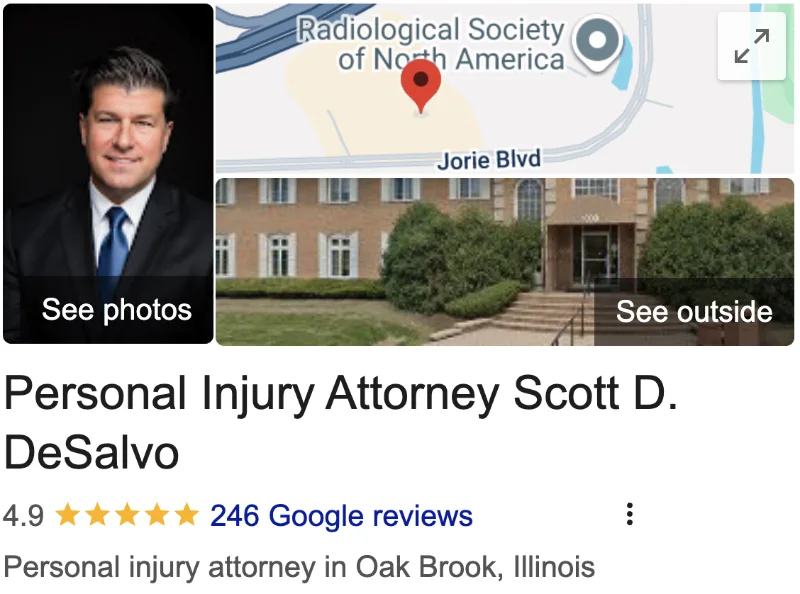
My name is Scott DeSalvo, and I have spent more than 27 years fighting for injured people across Illinois. Hospital-acquired infection cases sit at the intersection of medical science and institutional failure. They require a lawyer who understands microbiology, infection control protocols, and the inner workings of hospital systems. They require a lawyer who is willing to take on major hospital networks backed by aggressive defense teams. And they require a lawyer who treats every client as a person, not a case number. When I was nine years old, I watched my father, a Teamster truck driver, suffer a devastating work injury that dragged him through 17 years of legal battles with a lawyer who could not have cared less. That is why I built this practice the way I did: one client at a time, with my personal attention on every case, and a willingness to go to trial when the other side will not do the right thing.
If you or someone in your family contracted an infection during a hospital stay and you believe negligence was involved, call me at 312-500-4500. The conversation is free, it is confidential, and I will give you an honest evaluation of where things stand.

A hospital-acquired infection, also called a healthcare-associated infection or HAI, is defined as an infection that was not present or incubating at the time a patient was admitted to a healthcare facility. These infections typically manifest 48 hours or more after admission. They are caused by bacteria, viruses, fungi, or other pathogens that exist within the hospital environment and are transmitted to patients through contaminated equipment, surfaces, or the hands of healthcare workers.
What makes HAIs particularly dangerous is that the organisms responsible for them are often far more resistant to antibiotics than the pathogens encountered in everyday life. Hospitals are breeding grounds for drug-resistant bacteria because of the constant use of antibiotics in the facility. Organisms like methicillin-resistant Staphylococcus aureus, commonly known as MRSA, have evolved specifically to survive in healthcare environments where standard antibiotics are used routinely. When these resistant organisms infect a patient who is already weakened by illness, surgery, or immune suppression, the results are often catastrophic.
The CDC tracks six primary categories of healthcare-associated infections through its National Healthcare Safety Network, and a recent report covering 2024 data showed that while modest progress has been made in some categories, rates remain unacceptably high across American hospitals. The infections the CDC monitors include central line-associated bloodstream infections, catheter-associated urinary tract infections, ventilator-associated events, surgical site infections, MRSA bloodstream events, and Clostridioides difficile infections. Each of these infection types has established, evidence-based prevention protocols. When hospitals follow those protocols faithfully, infection rates drop dramatically. When they do not, patients pay the price.
A central line is a catheter inserted into a large vein, typically in the neck, chest, or groin, to deliver medications, fluids, or nutrition directly into the bloodstream. Central lines are used routinely in intensive care units and for patients receiving chemotherapy, long-term antibiotics, or parenteral nutrition. When bacteria enter the bloodstream through a central line, the resulting infection, known as a CLABSI, can progress rapidly to sepsis, septic shock, and death. The risk of CLABSI is directly tied to how the line was inserted and how it is maintained. Evidence-based prevention bundles, which include hand hygiene, chlorhexidine skin preparation, maximal sterile barrier precautions during insertion, and daily assessment of whether the line is still necessary, have been shown to reduce CLABSI rates by more than half. When a hospital fails to implement or enforce these protocols, and a patient develops a bloodstream infection, the failure is both measurable and provable.
Urinary catheters are among the most commonly used medical devices in hospitals, and they are also among the most frequently misused. A catheter-associated urinary tract infection, or CAUTI, occurs when bacteria travel along the catheter into the bladder. CAUTIs account for a significant percentage of all hospital-acquired infections and are almost entirely preventable. The single most effective prevention measure is removing the catheter as soon as it is no longer medically necessary. Studies have shown that in many hospitals, urinary catheters remain in place long after the clinical indication has resolved, simply because no one ordered their removal. This is a systemic failure of physician oversight and nursing protocol, and it creates direct liability for the institution.
A surgical site infection, or SSI, is an infection that develops in the area where a surgical procedure was performed. SSIs can be superficial, involving only the skin around the incision, or they can penetrate deep into the tissues, organs, or implanted materials. Deep SSIs are life-threatening and often require additional surgeries, prolonged hospitalization, and intensive antibiotic therapy. The risk of SSI is influenced by factors that are within the hospital’s control: proper sterilization of surgical instruments, appropriate administration of prophylactic antibiotics before the incision, maintenance of sterile technique throughout the procedure, and adequate wound care after surgery. Research has shown that SSI rates range from 2 percent to 36 percent depending on the type of surgery, with orthopedic, cardiac, and intra-abdominal procedures carrying the highest risk. When a hospital fails to follow established SSI prevention protocols, the resulting infection is preventable and actionable.
Patients on mechanical ventilation are at significant risk for developing pneumonia because the ventilator tube bypasses the body’s natural defenses against airborne pathogens. Ventilator-associated pneumonia, or VAP, carries a high mortality rate and substantially extends the length of hospitalization. Prevention strategies include elevating the head of the bed, performing regular oral care with chlorhexidine, conducting daily assessments to determine whether the patient can be weaned from the ventilator, and minimizing sedation to allow patients to breathe on their own as soon as possible. The CDC’s 2024 data showed ventilator-associated events decreased only 2 percent compared to the prior year, indicating that many hospitals are still falling short on these basic prevention measures.
C. difficile, commonly called C. diff, is a bacterium that causes severe inflammation of the colon, leading to debilitating diarrhea, dehydration, kidney failure, and in severe cases, death. C. diff infections are strongly associated with antibiotic use, because antibiotics disrupt the normal balance of gut bacteria and allow C. diff to proliferate. Hospitals contribute to C. diff transmission through inadequate environmental cleaning, because C. diff spores can survive on surfaces for months. Unlike most hospital pathogens, C. diff spores are not killed by alcohol-based hand sanitizers and require soap-and-water handwashing. When a hospital experiences a C. diff outbreak, the investigation almost always reveals failures in environmental disinfection, antibiotic stewardship, or isolation protocols. The good news from recent CDC data is that hospital-onset C. diff infections declined 11 percent between 2023 and 2024, suggesting that targeted prevention efforts can work. The bad news is that thousands of patients are still being infected and killed by an organism that is well understood and largely containable.
Methicillin-resistant Staphylococcus aureus deserves its own discussion because it is one of the most feared and most litigated hospital-acquired infections in Illinois. MRSA is a strain of staph bacteria that has developed resistance to the antibiotics most commonly used to treat staph infections, including methicillin, amoxicillin, penicillin, and oxacillin. When MRSA enters the body through a surgical wound, a catheter site, or a break in the skin, it can cause skin infections, pneumonia, bloodstream infections, and infections of the heart, bones, and joints. MRSA bloodstream infections carry a mortality rate that significantly exceeds that of non-resistant staph infections.
MRSA is transmitted primarily through direct contact, which means that a healthcare worker who touches an infected patient and then touches another patient without washing their hands can spread the organism directly. It also survives on surfaces like bed rails, doorknobs, and medical equipment. Hospitals are required to implement contact precautions for known MRSA-positive patients, including gowns, gloves, and dedicated equipment. They are also required to screen high-risk patients for MRSA colonization upon admission. When hospitals fail to follow these protocols, MRSA spreads. An Illinois jury awarded $8,050,000 in a case where a 59-year-old woman presented to the emergency room with symptoms that were misdiagnosed as an upper respiratory infection. She was discharged, her condition worsened, and she returned to find she had MRSA. She developed sepsis, bacteremia, and multi-organ failure, and she died. The jury found that the hospital failed to rule out MRSA despite her frequent exposure to the infection.



Not every hospital-acquired infection is the result of malpractice. Infections can occur even when a hospital follows every protocol perfectly. The question in any HAI malpractice case is whether the infection resulted from a failure to follow the accepted standard of care. Under Illinois medical malpractice law, you must establish four elements:
First, that the hospital and its staff owed you a duty of care. This element is established by the simple fact of your admission. Once you are a patient, the hospital owes you a duty to provide care that meets professionally accepted standards, including infection prevention and control.
Second, that the hospital breached that duty. This is where the case turns on the science. Your attorney must retain qualified experts in infectious disease and infection control who can review the hospital’s records, protocols, and practices and identify specific failures. Did the surgical team administer prophylactic antibiotics at the correct time? Was the central line inserted using full barrier precautions? Were the patient’s urinary catheter removal dates assessed daily? Were MRSA screening and contact precautions implemented for high-risk patients? Were environmental surfaces properly disinfected? These are the types of questions that determine whether the standard of care was met.
Third, that the breach caused your infection. Causation is often the most contested element in HAI cases because the defense will argue that you could have acquired the infection from a source unrelated to the hospital’s negligence. Your experts must establish, with a reasonable degree of medical certainty, that the specific breach identified, rather than some other cause, is what led to your infection. Genetic sequencing of bacterial strains, timing analysis of symptom onset, and review of the patient’s pre-admission health status all play a role in this determination.
Fourth, that you suffered damages as a result. The damages in HAI cases can be enormous: extended hospitalization, additional surgeries, long courses of intravenous antibiotics, permanent organ damage, amputations, chronic pain, and death. Under Illinois law, there are no caps on damages in medical malpractice cases following the Illinois Supreme Court’s decision in Lebron v. Gottlieb Memorial Hospital (2010).

Before a medical malpractice lawsuit can be filed in Illinois, the plaintiff’s attorney must comply with 735 ILCS 5/2-622, which requires attaching an affidavit from a qualified healthcare professional along with a written report confirming that there is a reasonable and meritorious basis for the claim. In hospital infection cases, this typically means retaining an infectious disease specialist or infection control expert who can review the hospital’s records and testify that the infection prevention protocols were not followed and that the breach caused the patient’s infection. This pre-filing requirement is one of the reasons why hospital infection cases require a significant investment of resources before the case even begins. It is also why choosing a lawyer with the resources and expertise to conduct this investigation properly is critical.
Find Out What YOUR Case Might Be Worth...for free.
Hospital infection cases can involve multiple defendants, and identifying every responsible party is essential to maximizing the recovery:
The hospital itself is almost always a defendant, because infection control is an institutional responsibility. Hospitals are required by state and federal regulations to maintain infection prevention programs, conduct staff training, implement evidence-based prevention bundles, and monitor infection rates. When these institutional systems fail, the hospital bears direct liability regardless of which individual staff member was involved. The Centers for Medicare and Medicaid Services financially penalizes hospitals based on their HAI performance, and these penalty records can be powerful evidence of a hospital’s infection control deficiencies.
Individual physicians may be liable if their specific actions or omissions contributed to the infection. A surgeon who fails to administer prophylactic antibiotics, an intensivist who fails to order timely removal of a central line, or a physician who fails to recognize the signs of a developing infection and initiate prompt treatment can all be individually responsible.
Nursing staff play a critical role in infection prevention, and their failures can also give rise to liability. Nurses are responsible for hand hygiene between patient contacts, sterile technique during catheter insertion and wound care, monitoring for signs of infection, and ensuring that physician orders related to infection prevention are carried out. When nursing failures contribute to an HAI, the hospital is vicariously liable for the nurses’ negligence.
In some cases, third-party companies that provide equipment or staffing may also bear responsibility. If a hospital contracts with an outside company for surgical instrument sterilization, environmental cleaning, or temporary nursing staff, and that company’s negligence contributes to an infection, the company can be named as a defendant alongside the hospital.
The statute of limitations for medical malpractice in Illinois, found at 735 ILCS 5/13-212, gives a patient two years from the date they knew or reasonably should have known that the infection was caused by malpractice. However, the statute of repose provides an absolute outer limit of four years from the date of the negligent act, regardless of when the patient discovered the connection.
Hospital infection cases raise unique timing issues because the infection itself may not become apparent for days, weeks, or even months after discharge. A patient who develops a deep surgical site infection three weeks after surgery did not know about the infection on the day of surgery. The discovery rule accounts for this by starting the clock when the patient becomes aware, or should reasonably become aware, that the infection was caused by something the hospital did or failed to do. Even so, determining the exact trigger date for the statute of limitations can be legally complex, which is why consulting with a lawyer promptly is essential.
For minors, the limitations period extends to eight years from the date of the alleged malpractice, but it cannot extend beyond the child’s 22nd birthday. For patients treated at federal facilities such as VA hospitals, the Federal Tort Claims Act imposes its own two-year deadline measured from the date of the injury, and the claim must be filed administratively before any lawsuit can proceed.

The damages available in a hospital infection case depend on the severity and consequences of the infection. A superficial wound infection that resolves with a course of oral antibiotics will produce a different recovery than a MRSA bloodstream infection that leads to septic shock, organ failure, amputation, or death.
Recoverable damages include the cost of all additional medical treatment necessitated by the infection: hospital readmission, additional surgeries, intravenous antibiotics, specialist consultations, rehabilitation, home health care, and ongoing monitoring. Lost wages for time missed from work, and diminished future earning capacity if the infection has permanently affected your ability to work. Compensation for physical pain, including the pain of additional procedures and extended recovery, as well as emotional and psychological suffering such as anxiety, depression, and the fear of recurring infection. Loss of normal life, encompassing the activities, relationships, and daily routines that the infection has disrupted or destroyed.
In wrongful death cases, the surviving family members can pursue compensation for the financial contributions the deceased would have made over their lifetime, the loss of companionship, guidance, and emotional support, and their own grief and suffering. In cases involving particularly egregious institutional failures, such as a hospital that knew its infection rates were dangerously high and failed to take corrective action, punitive damages may be available.
Settlements and verdicts in Illinois hospital infection cases reflect the severity of harm. An Illinois jury returned an $8,050,000 verdict for the family of a woman who died of MRSA after being misdiagnosed and discharged. A settlement of $862,500 was reached for a nursing home resident who contracted MRSA due to staff negligence and required multiple surgeries including an amputation. A $2.25 million settlement was obtained for the family of a child who survived a bone marrow transplant but died from complications stemming from a hospital-acquired infection. These cases demonstrate that Illinois juries and insurance companies recognize the devastating consequences of preventable hospital infections.


Understanding what hospitals are supposed to do helps you recognize when they have failed. The CDC publishes detailed, evidence-based guidelines for preventing each type of HAI, and Illinois hospitals are required to follow them. A properly functioning infection prevention program includes:
An infection prevention and control committee staffed by trained professionals, including at least one board-certified infection preventionist, that monitors infection rates, investigates outbreaks, and implements corrective action when rates exceed acceptable benchmarks. Regular audits of hand hygiene compliance, with documented feedback to staff and corrective measures for persistent non-compliance. Implementation of evidence-based prevention bundles for every category of device-associated infection, with documented compliance rates. Antibiotic stewardship programs that monitor and regulate antibiotic prescribing to minimize the development of resistant organisms like MRSA and C. diff. Environmental cleaning protocols that go beyond surface wiping and include terminal cleaning of patient rooms using validated disinfection methods. Staff training on infection control practices conducted at regular intervals, with competency assessments to ensure understanding and compliance. Screening and isolation protocols for patients at high risk of carrying drug-resistant organisms.
When any of these components is absent, inadequate, or poorly enforced, the hospital has created the conditions for preventable infections to occur. Documenting these systemic failures is a central part of building a successful HAI malpractice case.

I approach hospital infection cases with the same intensity I bring to every serious injury case: preparation for trial from the very first day. That means securing top infectious disease and infection control experts to review your records. It means subpoenaing the hospital’s internal infection surveillance data, CMS quality reports, staffing records, hand hygiene audit results, and environmental cleaning logs. It means deposing every physician, nurse, and administrator who played a role in your care and in the hospital’s infection prevention program. And it means building a case that a jury can follow, understand, and feel motivated to act on.
I have tried more than 30 jury trials over the course of my career. I am a graduate of Gerry Spence’s Trial Lawyer’s College, a program that admits a vanishingly small percentage of the attorneys who apply. I completed The Edge, an advanced program for experienced trial lawyers. These credentials matter because hospital defense teams need to know that the lawyer on the other side is prepared to take the case all the way. When they know that, the negotiations change.
Hablamos español. If you or a family member contracted a hospital infection and your primary language is Spanish, my office can serve you in your language throughout the entire process.
If you developed an infection that was not present when you were admitted, there is at least a possibility that it was healthcare-associated. The critical question is whether the hospital followed the applicable prevention protocols. A qualified infectious disease expert can review your records and the hospital’s infection control data to make that determination. During our initial consultation, I will evaluate the facts and let you know whether I believe an expert review is warranted.
No. Some infections occur despite a hospital’s best efforts. A malpractice case requires evidence that the hospital failed to follow the accepted standard of infection prevention and that this failure caused the infection. If the hospital can demonstrate that it followed all applicable protocols, the case may not be viable even though the outcome was terrible. That is precisely why expert review is so important before proceeding.
The infections most frequently litigated in Illinois include MRSA bloodstream infections, C. difficile colitis, central line-associated bloodstream infections, catheter-associated urinary tract infections, surgical site infections, and ventilator-associated pneumonia. Each of these has well-established prevention protocols, which means there is a clear benchmark against which the hospital’s conduct can be measured.
Under Illinois law, you generally have two years from the date you discovered or should have discovered the connection between your infection and the hospital’s negligence, with an absolute outer limit of four years from the date of the negligent act. Because hospital infections sometimes manifest weeks or months after discharge, determining the exact start date of the limitations period can be complex. Consulting with a lawyer promptly is the safest approach.
Yes. The surviving family members can pursue a wrongful death action against the hospital and any other responsible parties. Wrongful death claims allow recovery for lost financial support, loss of companionship, and grief, among other damages. These cases are governed by their own procedural requirements and timing rules, so it is important to involve a lawyer as early as possible.
At DeSalvo Law, nothing upfront. I handle these cases on a contingency fee basis. My fee comes solely from the compensation I recover for you. If we do not obtain a recovery, you owe me nothing. I invest my own resources into the investigation, expert retention, and litigation because I only take cases I am prepared to pursue aggressively.
This is the most common defense. Hospital defense teams will argue that infections are an inherent risk of hospitalization and that the infection would have occurred regardless of the care provided. Overcoming this defense requires evidence that specific, identifiable failures in infection prevention protocol caused or contributed to the infection. The strength of your case depends on the quality of the expert analysis and the thoroughness of the discovery into the hospital’s practices. This is the kind of battle I prepare for from day one.
I combine deep experience in personal injury litigation with the resources and determination to take on major hospital systems. I answer my own phone, I stay personally involved in every case, and I prepare every case for trial. I have represented more than 3,000 injured people over 27 years. When you call 312-500-4500, you are talking to me, not an intake team. That personal commitment makes a difference at every stage, from the initial investigation to the final resolution.
Find out if you have a good case, or a tough one...for free!
Hospitals document everything, but those documents can be altered, overwritten, or conveniently lost. Surveillance camera footage is routinely deleted on short retention cycles. Staff members rotate, transfer, and leave. The infectious organism itself may be treated and cleared before samples can be preserved for genetic analysis. Every week that passes without a lawyer on your side is a week the hospital uses to solidify its defense.
If you contracted an infection during a hospital stay in Illinois and you believe the hospital’s negligence played a role, pick up the phone. Call 312-500-4500 right now. The consultation is free. Everything you tell me is confidential. And I will be direct with you about what I think happened, whether you have a case, and what I believe it could be worth. That is the kind of straight talk you deserve after what you have been through.


Scott DeSalvo founded DeSalvo Law to help injured people throughout Chicago and surrounding suburbs. Licensed to practice law in Illinois since 1998, IARDC #6244452, Scott has represented over 3,000 clients in personal injury, workers compensation, and accident cases.
No Fee Unless You Win | Free Consultation | 24/7 Availability Call or Text: (312) 500-4500
>>Read More
Main Office:
1000 Jorie Blvd Ste 204
Oak Brook, IL 60523
New Cases: 312-500-4500
Office: 312-895-0545
Fax: 866-629-1817
service@desalvolaw.com
Chicago and Other Suburban Offices
By Appointment Only