
Filing a jobsite accident report sounds simple, but I've seen workers make mistakes on their accident report that cost them their entire workers' compensation case. After almost 30 years of handling work injury cases in Illinois, I can tell you that the accident report is one of the most critical documents in your case. Here's what you need to get right.
Mistake number one: waiting too long to report. Under Illinois law (820 ILCS 305/6(c)), you have 45 days from the date of your work injury to notify your employer. But I always tell my clients to report it the same day if possible. The longer you wait, the easier it is for the employer to argue that your injury didn't really happen at work, or that something else caused it. Report it immediately, even if you think the injury is minor. I've seen countless cases where someone tweaked their back at work, figured it would go away in a couple days, and ended up needing surgery six months later.
Mistake number two: not being specific enough. When you fill out the accident report, don't just write 'hurt my back.' Write exactly what happened: 'I was lifting a 50-pound box of supplies onto a shelf at approximately 10:30 AM and felt a sharp pain in my lower back.' The more specific you are, the harder it is for the insurance company to dispute your claim later.
Mistake number three: downplaying your injuries. I understand why people do this. You don't want to seem weak. You don't want your coworkers to think you're faking. But if you write 'minor back strain' on your accident report and then you end up needing spinal injections and surgery, the insurance company is going to use your own words against you. Describe your symptoms accurately. If it hurts, say it hurts.
Mistake number four: not keeping a copy. Always get a copy of your accident report. Take a photo of it with your phone if you have to. I've had cases where the employer conveniently 'lost' the accident report, and without a copy, it becomes your word against theirs.
Mistake number five: signing something you shouldn't. Some employers will hand you additional forms along with the accident report — forms that authorize the release of your entire medical history, or forms that include language about not holding the employer responsible. Do not sign anything other than the basic accident report without talking to a lawyer first. Call us at 312-500-4500 before you sign anything that feels off.

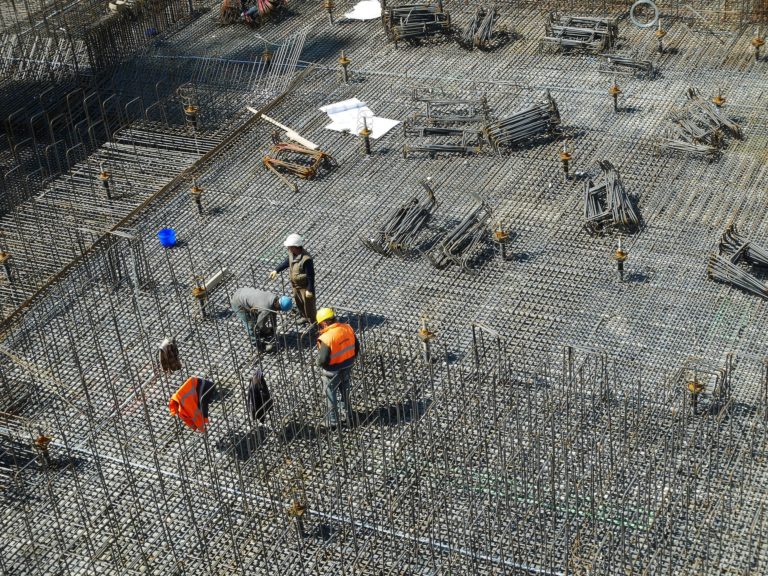
Fatalities from construction site accidents are higher than the national average for all industries. That makes it one of the most dangerous jobs to have.
There are four common causes of serious injury and death on the construction site. The Occupational Health and Safety Administration refers to these as the Fatal Four. They include falls, being struck by an object, electrocutions, and being caught-in/between.
The majority of these accidents are preventable. And preventable injuries outside of these fatal four also occur regularly.
Some of the more common hazards that result in injury are the result of scaffolding, ladders and stairways, cranes, forklifts, improper hazard communication, and lack of personal protective equipment.
Many of these injuries occur as a result of negligence on the part of the employer to provide adequate training or to implement safety measures required under the law. Meaning that many accidents are not the fault of the victim.

The Occupational Safety and Health Act of 1970 is the gold standard for employees rights. Under this Act, you are entitled to a safe workplace. The safety of the workplace is only partly your responsibility.
OSHA gives you the right to a safe workplace but it also obligates your employer to ensure that the workplace is safe for you to work. They are required to provide training and to perform regular tests and scheduled maintenance to ensure the safety of the construction site.
There are a number of steps you should take immediatley after an accident to strengthen your jobsite accident report. There are also a number of items you need to do after filing a report to make sure you're covering all your bases.
The first thing you should do after an accident is going to your doctor. Go to your doctor whether or not you have an immediate injury. Although some accidents will cause an injury that obviously needs to be treated, other injuries may not be visible but can cause serious long-term damage.
For example, you may have sustained a concussion that doesn't exhibit symptoms right away. Headaches caused by a concussion or brain injury may not begin until days after the accident. Give your doctor the opportunity to recognize any potential for delayed-symptom injuries well in advance of the worsening.
Delayed-symptom injuries can make your condition worse in the long-term. That makes it more difficult for them to be treated. If you experience any dizziness, nausea, aches, pains or headaches days or even weeks after the accident, seek medical attention right away.
Your accident might be covered by workers compensation. The time you have to file a workers compensation claim varies from state to state. In Illinois, you have 45 days to notify your employer that you got hurt at work if they do not already know. You have 3 years to open a case by filing a Workers Comp Case at the Illinois Workers Comp Commission.
In a serious jobsite accident, the notice requirement is pretty much taken care of. Because if you have a serious injury witnessed by everyone, they cannot claim they didn't know it happened.
If your employer doesn't have a claim form, you can go to Illinois' Workers Comp website and get the notice form here.
Don't delay this step or you risk losing the opportunity to receive compensation for your injury. You may be unable to work for a period of time following the injury and you want to make sure that lost wages don't effect your recovery.
File a report right away, especially if you weren't immediately injured. Update your report in the case your injury begins showing symptoms later.
In your report, provide as much detail as you can. If your employer has written your report, review it for accuracy. If anything has been misrepresented, ask your employer to make the appropriate changes.
Once the report is finished, request a copy for your own records. Same with filing the case at the Commission. If you miss the 3 year deadline, your case could be over.
This is why a lot of injured workers hire a Workers Comp or construction accident attorney. They do not want to deal with the paperwork and the deadlines themselves.
Employers are required to log and track workplace injuries on the jobsite. When an accident happens, they use an OSHA 300 Log to record the employee name, injury date, location, and injury type.
The 300 Log feeds into the 300A log, which tracks all the injuries and illnesses on a given construction site. These should be kept on the site and posted at all times to comply with OSHA regulations.
An OSHA 301 is another requirement whenever there is an injury or illness. This report details where the employee was treated, how the injury occurred, what the employee was doing at the time of the injury, as well as the length of time the employee has been employed with the company.
Ensure that your injury was logged and the information provided was detailed and accurate. Ask your employer to update any incorrect information.

If you're able, you should photograph the scene of the injury for undeniable, photographic evidence of what happened.
Take pictures of the surrounding area and the equipment that you were using. This could help you explain how and why the accident wasn't your fault.
Take pictures of your injuries as well. You can also photograph the clothing you were wearing when the accident occurred. In fact, it is recommended that you don't wash or fix that clothing so it can be used as evidence if needed.
Be careful, though. Don't walk around a work site after a jobsite accident with a camera taking pictures, because your employer isn't going to be happy about it. A photo or two is good, but don't gete into trouble, let your lawyer get photos.
Check the surrounding area for security cameras. If there are security cameras in the vicinity, they may have caught the event on tape. This can provide valuable evidence of how the accident happened.

If any other workers witnessed your accident, you should take down their names and contact information. Your lawyer can also get these names from the various companies who were present at the time of the jobsite accident.
It's important that you don't take any statements from these witnesses. Discussing the details of the event with potential witnesses may work against you. All you need is their contact information in case a statement is required later.
You should begin keeping a journal of everything related to your accident. The journal should include:
Keep copies of any and all forms you have to fill out. If you receive anything in the mail, keep copies of the envelopes and the postmarks.
Make sure you have copies of all medical records. Keep copies of receipts for any medical expenses incurred including prescriptions or physical rehabilitation.
Keep a copy of your claim form and your accident report to your employer.
Retain your pay stubs and/or paychecks as well as time sheets. Ensure you have stubs/checks and timesheets from before your accident occurred as well. This can help determine how your injury has affected your ability to work and make the same income.
Since a jobsite accident can often result in a Workers Comp case as well as a Construction Accident case, it is better to have more documents and evidence than less. And any lawyer you talk to should screen the injury case for both means of getting you fully compensated for your injuries.
Experiencing a jobsite accident can be overwhelming, but knowing how to report it properly is crucial for protecting your rights and securing the compensation you deserve.
At The Law Office of Scott DeSalvo, we’re dedicated to helping injured workers navigate the complexities of a work injury case, from filing the initial report to building a strong claim.
In addition to jobsite injuries. , we also handle slip and fall accidents, dog bite cases, and motorcycle accidents.
Contact us today for a free consultation, and let us guide you through the process of securing the justice and support you need.

The accident report is the foundation of your workers comp claim. It creates an official, dated record that the injury occurred at work, establishes the mechanism of injury, and starts the clock on the insurance company's obligation to respond. Without a timely report, the insurance company will argue the injury didn't happen at work or that it occurred later, outside of employment. Illinois requires employers to be notified of work injuries within 45 days - but report immediately, not 45 days later.
The date, time, and specific location of the accident. Exactly what you were doing when the injury occurred. How the injury happened - the mechanism matters for medical causation. What part of your body was injured. The names of any witnesses. Any equipment or conditions that contributed to the accident. Request a copy of the report for your own records immediately after filing. If your employer tries to minimize or alter the report, document that too and call me at 312-500-4500.
File it anyway. Your right to report a work injury and file a workers comp claim is protected by Illinois law. An employer who pressures you not to report may be setting up a denial of your claim and potentially engaging in the kind of conduct that supports a retaliation claim if they later take adverse action against you. Document any pressure you receive - in writing, by email if possible - and call me immediately at 312-500-4500. Your job and your legal rights are both at stake.
Yes, though late reporting creates additional challenges. Illinois law gives you 45 days to notify your employer of a work injury. If you missed that window, there are sometimes exceptions for injuries that developed gradually or were not immediately recognized as work-related. I evaluate late-reporting situations individually - don't assume your window has closed without talking to me first. Call 312-500-4500.
The OSHA 300 Log is a federally required record of work-related injuries and illnesses that most employers must maintain. The 300A summary is posted in the workplace each year. The OSHA 301 incident report captures details of each specific injury - where you were treated, how the injury happened, what you were doing when it occurred, how long you have been employed. These OSHA records are independent of your workers' comp filing and can be valuable evidence in your case. Verify that your injury was logged accurately - and ask for corrections if it was not.
Sometimes. If your injury resulted from a safety violation the employer should have prevented - missing fall protection on a construction site, exposed electrical hazards, an inoperative machine guard, lack of required training - filing an OSHA complaint can trigger an investigation that produces evidence supporting your civil case against the employer or third party. OSHA complaints can be filed anonymously, and retaliation for filing is illegal. Talk to me before filing so we make sure the timing supports your overall case strategy.
Take photos of the scene, the equipment involved, the conditions that contributed, and your injuries - the same day if possible, and updates as you heal. Get names and contact information from every witness. Keep the clothing and gear you were wearing - do not wash or repair it, because wear patterns are evidence. Note any security cameras in the area so we can preserve the footage. Keep a daily journal of symptoms, doctor visits, and conversations about the incident. Save every document - reports, forms, mail, pay stubs. The earlier I'm involved, the more evidence we can lock down.
Yes - and you absolutely should consider it. Workers' comp is the exclusive remedy against your direct employer, but if a third party contributed to the accident - a general contractor when you work for a subcontractor, another subcontractor on the site, the property owner, an equipment manufacturer, or a product supplier - you can bring a civil lawsuit against them for pain and suffering and other damages workers' comp does not cover. Construction injuries are particularly likely to involve viable third-party claims. I evaluate every jobsite case for both.


Would you like to know more about why hire motorcycle accident attorney?
If you or a loved one is dealing with a situation like this, give us a call any time, day or night. We are here to help. 312-500-4500


Scott DeSalvo founded DeSalvo Law to help injured people throughout Chicago and surrounding suburbs. Licensed to practice law in Illinois since 1998, IARDC #6244452, Scott has represented over 3,000 clients in personal injury, workers compensation, and accident cases.
No Fee Unless You Win | Free Consultation | 24/7 Availability Call or Text: (312) 500-4500
>>Read More
Main Office:
1000 Jorie Blvd Ste 204
Oak Brook, IL 60523
New Cases: 312-500-4500
Office: 312-895-0545
Fax: 866-629-1817
service@desalvolaw.com
Chicago and Other Suburban Offices
By Appointment Only