

Institutions are supposed to protect people. Foster homes are supposed to protect children who have nowhere else to go. Group homes and residential treatment centers are supposed to provide therapy and stability to vulnerable young people. Juvenile detention facilities are supposed to rehabilitate, not destroy. Psychiatric hospitals are supposed to heal. Religious organizations are supposed to offer sanctuary. When these institutions instead become the place where a child is sexually abused, physically beaten, or psychologically tormented, the betrayal is not just a failure of an individual. It is a failure of the entire system that was built to keep that person safe.
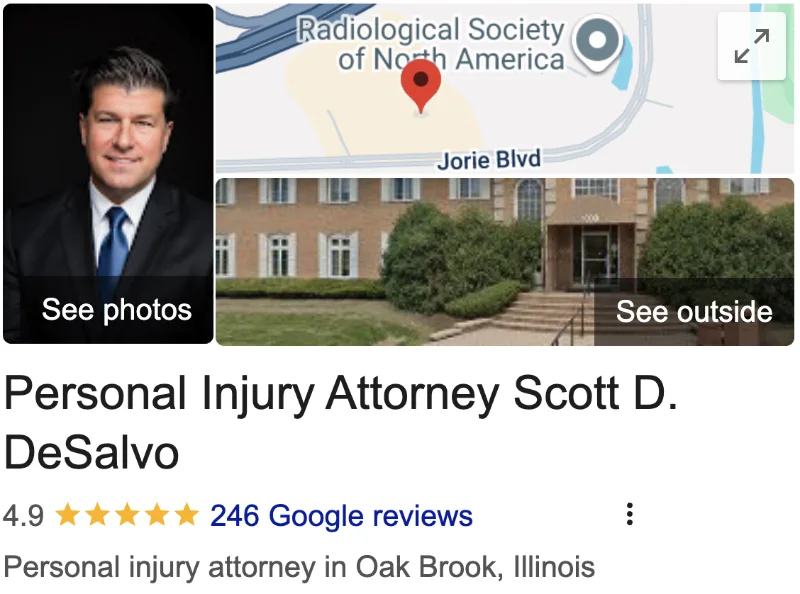
I’m Scott DeSalvo. I have been a personal injury attorney in Chicago for over 27 years. I became a lawyer because my father, a Teamster truck driver, was severely injured at work when I was nine years old, and then spent 17 years fighting through the legal system for justice. That experience taught me something fundamental: when powerful institutions harm ordinary people, those institutions will use every resource at their disposal to avoid accountability. The only thing that levels that playing field is an attorney who will not back down. If you or someone you love was abused in an institution’s care, call me at 312-500-4500. The consultation is free, available 24/7/365, and we speak Spanish. There is no fee unless we recover compensation for you.

Institutional abuse occurs when a person is harmed while in the care, custody, or control of an organization that has assumed responsibility for their safety and wellbeing. The abuse can be physical, sexual, emotional, or take the form of neglect. What distinguishes institutional abuse from other forms of abuse is the power relationship: the victim has been placed in the institution’s care, often involuntarily, and the institution has a legal duty to protect them. When the institution fails to prevent abuse, or worse, when the institution’s own employees are the abusers, the institution itself bears legal responsibility.
Institutional abuse is not limited to a single type of facility or a single type of victim. It occurs across a wide spectrum of settings, and the victims range from infants to elderly adults. The common thread is the abuse of a position of trust and authority over a vulnerable person who has limited ability to protect themselves or seek help.
Illinois has been at the center of some of the most significant institutional abuse scandals in the country. The scale of documented abuse in Illinois institutions is staggering, and the cases that have reached public attention almost certainly represent only a fraction of what has actually occurred.
More than 900 individuals have filed lawsuits alleging systemic sexual abuse at Illinois Youth Centers and the Cook County Juvenile Temporary Detention Center. These lawsuits document a decades-long history of abuse spanning from the mid-1990s through 2022, across at least 10 facilities. The alleged perpetrators include correctional officers, chaplains, counselors, and food service workers. Survivors report rape, forced sexual acts, unlawful strip searches, and prolonged emotional abuse, often enforced through threats of solitary confinement or bribes for silence. Eighty-six percent of the victims were boys. A 2013 U.S. Department of Justice report found that Illinois had the fourth-highest percentage of juvenile detainees reporting staff sexual misconduct in the nation.
Illinois residential treatment centers, which are supposed to provide therapy to vulnerable young people dealing with mental illness, addiction, or behavioral disorders, have instead become the subject of repeated abuse allegations and lawsuits. Timberline Knolls, a private residential mental health center for women and girls in Lemont, Illinois, was the subject of a New York Times investigation that uncovered widespread and prolonged safety failures, including criminal incidents and preventable deaths, while the state failed to meaningfully investigate or regulate the facility. The facility, operated by national healthcare giant Acadia Healthcare, treated over 26,000 patients, including children in state care. Multiple staff members have faced criminal charges for sexually assaulting patients. Since 2020, CBS News Chicago revealed numerous 911 calls related to sexual abuse at the facility. Other Illinois facilities named in abuse lawsuits include Streamwood Behavioral Health System, Pavilion Behavioral Health, Riveredge Hospital, and Hartgrove Hospital, where a former mental health counselor was charged with five counts of sexual assault for abusing children in December 2025.
Children in the Illinois foster care system face documented rates of abuse far exceeding those in the general population. A Johns Hopkins University study found that children in foster care are four times more likely to be sexually abused than their peers not in foster care, and children in group homes are 28 times more likely to be sexually abused. An Oregon and Washington state study found that nearly one-third of foster children reported abuse by a foster parent or another adult in the home. More than half of child sex trafficking victims recovered through FBI raids across the United States in 2013 were from foster care or group homes.
In Illinois specifically, the Department of Children and Family Services has faced intense scrutiny for failing to protect children in its care. A CBS News Chicago investigative report found that from 2016 to 2021, foster children made 6,000 abuse and neglect allegations against 3,200 foster parents. DCFS listed sexual abuse allegations as unfounded 88 percent of the time. Reports of physical harm, including allegations of broken bones, head injuries, torture, burns, and being restrained, were ruled unfounded 91 percent of the time. This is despite research showing that only 4 to 8 percent of child sexual abuse allegations are false, and most false allegations are made not by the children themselves but by parents in custody disputes.
The Archdiocese of Chicago and the other five Illinois Catholic dioceses—Belleville, Joliet, Peoria, Rockford, and Springfield—have faced decades of lawsuits alleging clergy sexual abuse of children. The Illinois Attorney General’s office released a report revealing that Illinois Catholic dioceses vastly underreported clergy child sexual abuse for decades, routinely failing to protect children by moving known or suspected abusers to different parishes, mishandling investigations, or ignoring complaints. In 2008 alone, the Chicago Archdiocese paid more than $12.6 million to settle claims involving 10 priests and 16 survivors. Maryville Academy in Des Plaines, which was presented as a safe haven for vulnerable children under the direction of Chicago Archdiocese clergy, is now the subject of abuse lawsuits alleging rape and molestation by priests and administrators spanning decades.
Institutional abuse also occurs in nursing homes and long-term care facilities, where elderly and disabled residents are abused by staff or other residents. It occurs in youth sports programs, summer camps, and scouting organizations, where coaches, counselors, and leaders exploit their authority over children. It occurs in special education programs and schools for children with disabilities, where students who may lack the ability to report abuse are targeted precisely because of their vulnerability. And it occurs in prisons and jails, where inmates are assaulted by guards or other inmates while the institution fails to provide basic safety.
Institutional abuse is rarely the act of a single rogue employee. In case after case, investigation after investigation, the same systemic failures appear. Understanding these patterns is critical because institutional liability, the legal basis for holding the institution itself financially responsible, depends on proving that the institution’s own failures caused or contributed to the abuse.
The first failure is negligent hiring. Institutions that serve vulnerable populations have a duty to conduct thorough background checks on every employee who will have access to those populations. When an institution hires someone with a history of abuse, violence, or criminal behavior without conducting an adequate background check, and that person goes on to abuse a vulnerable person in their care, the institution is liable for negligent hiring.
The second failure is negligent supervision. Even employees who pass a background check can become abusers. Institutions have a duty to supervise their employees, to monitor interactions with vulnerable populations, and to create systems that prevent one-on-one unsupervised access. When an institution allows its employees to have unrestricted private access to vulnerable individuals without any oversight, monitoring, or accountability, it creates the conditions that enable abuse.
The third failure is negligent retention. When an institution receives complaints, reports, or warning signs that an employee may be abusing those in its care, the institution has a duty to investigate promptly and thoroughly and to remove the threat. The most devastating cases of institutional abuse involve institutions that received multiple reports of abuse and did nothing, or worse, actively concealed the reports to protect the institution’s reputation. This is the pattern that has been documented in the Catholic Church, in juvenile detention facilities, in residential treatment centers, and in foster care agencies across the country and in Illinois specifically.
The fourth failure is a culture of silence. Many institutions create environments where victims are afraid to report abuse, where reports are discouraged or suppressed, where whistleblowers are retaliated against, and where the institution’s reputation is prioritized over the safety of the people it serves. When CBS News interviewed 14 former Illinois foster children who reported abuse to DCFS, every one of them said they were left in abusive homes while their abusers suffered no consequences. None of their abusers have been prosecuted. That is not a failure of individual caseworkers. It is a systemic culture that tells children their reports do not matter.



Illinois is one of the most protective states in the country for survivors of childhood sexual abuse. For abuse that occurred on or after January 1, 2014, there is no statute of limitations for civil claims of childhood sexual abuse under the Illinois Childhood Sexual Abuse Act, 735 ILCS 5/13-202.2. This means that if you were sexually abused as a child in an institution, you can file a civil lawsuit regardless of how many years have passed since the abuse occurred. For abuse that occurred before January 1, 2014, survivors have 20 years from the date they discover the abuse or its connection to their injuries to file a civil lawsuit. Because many survivors do not fully understand the impact of childhood abuse until decades later, this discovery rule extends the window for many survivors well into their 30s, 40s, or beyond.
There is also no criminal statute of limitations for felony sexual offenses against children in Illinois. This means prosecutors can bring criminal charges against abusers at any time, regardless of when the abuse occurred. These parallel criminal and civil tracks operate independently, meaning you can pursue a civil lawsuit for compensation even if no criminal charges have been filed, and even if the abuser has died or cannot be located.
A civil lawsuit for institutional abuse typically names both the individual abuser and the institution itself. The institution’s liability is based on one or more legal theories. Respondeat superior holds an employer liable for the wrongful acts of its employees when those acts occur within the scope of employment. Negligent hiring holds an institution liable when it fails to conduct adequate background checks and hires someone who was foreseeable as a risk. Negligent supervision holds an institution liable when it fails to adequately monitor and oversee its employees’ interactions with vulnerable populations. Negligent retention holds an institution liable when it receives reports or warning signs of abuse and fails to remove the abuser. And in some cases, institutions can be held liable for ratification, meaning the institution knew about the abuse and effectively approved it by taking no action.
Illinois courts have issued large verdicts and settlements in cases involving institutional negligence, particularly when background checks, supervision, or reporting procedures failed. When an institution actively covered up known abuse, punitive damages may also be available, which are additional sums designed to punish the institution for especially egregious conduct and deter future failures.
Many institutional abuse cases in Illinois involve government-run facilities or government-funded programs, including juvenile detention centers operated by the Illinois Department of Juvenile Justice, foster care placements supervised by DCFS, and public psychiatric facilities. Suing a government entity in Illinois involves special rules. The Illinois Tort Immunity Act provides certain immunities to government entities and employees, but these immunities do not protect government actors who engage in willful and wanton conduct or intentional torts like sexual abuse. Government claims also have specific notice requirements and shorter filing deadlines that must be strictly followed. An experienced institutional abuse attorney understands these procedural requirements and ensures your claim is filed correctly and on time.

The injuries caused by institutional abuse are profound and frequently lifelong. Survivors of childhood institutional abuse suffer documented rates of post-traumatic stress disorder, depression, anxiety disorders, substance abuse, suicidal ideation, and difficulty forming trusting relationships that far exceed the general population. The trauma is compounded by the unique nature of institutional betrayal: the child was supposed to be protected, and instead was harmed by the very people and systems charged with their care. This shatters the child’s fundamental sense of safety and trust in ways that persist into adulthood.
Research has documented that children who experience abuse while in institutional care face elevated rates of chronic health conditions including heart disease and diabetes, higher rates of high school dropout and juvenile delinquency, elevated risk of adult incarceration, and significantly increased rates of substance abuse. One study found that over 65 percent of incarcerated women had experienced sexual abuse before adulthood. The damage radiates outward, affecting not just the survivor but their families, relationships, careers, and communities for decades.
Damages in an institutional abuse case reflect the full scope of this harm. They include all past and future medical expenses, including therapy, psychiatric care, and medication. They include lost wages and diminished earning capacity when the trauma has interfered with the survivor’s ability to work or complete their education. They include pain and suffering, emotional distress, loss of normal life, and the specific damage caused by the betrayal of institutional trust. In cases involving intentional cover-ups or egregious institutional failures, punitive damages may substantially increase the total recovery.
Find Out What YOUR Case Might Be Worth...for free.
If the abuse is ongoing or a child is in immediate danger, call 911. To report suspected child abuse in Illinois, call the DCFS 24-hour hotline at 1-800-252-2873. For abuse of vulnerable adults in institutions, contact the Illinois Department of Human Services Adult Protective Services at 1-866-800-1409. For abuse in nursing homes or hospitals, contact the Illinois Department of Public Health at 1-800-252-4343.
Document everything you can. Write down what happened, when it happened, who was involved, and who was told. Preserve any physical evidence, photographs, text messages, emails, or documents. If medical treatment was received, obtain copies of all medical records and discharge papers. If you reported the abuse to the institution and the institution failed to act, document that failure as well.
Contact an attorney who handles institutional abuse cases. These cases are legally complex. They may involve multiple defendants, government immunity issues, insurance coverage questions, and the need for expert testimony from psychologists, psychiatrists, and life care planners. An experienced attorney will know how to investigate the institution’s history, identify other victims, obtain internal records and personnel files, and build a case that holds the institution accountable for its systemic failures, not just the actions of a single abuser.
For childhood sexual abuse that occurred on or after January 1, 2014, there is no statute of limitations in Illinois under the Childhood Sexual Abuse Act, 735 ILCS 5/13-202.2. For childhood sexual abuse that occurred before that date, you may still have up to 20 years from the date you discovered the abuse or its connection to your injuries. For other types of institutional abuse, the standard two-year personal injury statute of limitations under 735 ILCS 5/13-202 applies, with tolling for minors until they turn 18. Because these deadlines are complex and depend on the specific facts of your case, you should consult an attorney as soon as possible to determine your options.
Yes. Your civil claim against the institution is separate from any criminal case against the individual abuser. The institution is liable for its own failures: failing to conduct background checks, failing to supervise employees, failing to investigate complaints, and failing to protect the people in its care. You can pursue a civil case against the institution even if the abuser is deceased, even if no criminal charges were ever filed, and even if the abuser was acquitted in a criminal proceeding.
Yes. Multiple parties may be liable, including DCFS, private child welfare agencies that managed your case, the foster home or group home where the abuse occurred, and the individual perpetrators. Government entities have special procedural requirements under the Illinois Local Governmental and Governmental Employees Tort Immunity Act, including notice provisions and shorter filing deadlines, but they are not immune from liability for willful and wanton conduct or intentional torts like sexual abuse. In Illinois, child welfare agencies are more likely to be directly involved as defendants than DCFS itself, because DCFS supervises private agencies that handle many placements.
The institution can still be liable. Institutions have a duty to protect the people in their care from foreseeable harm, including harm from other residents. If the institution failed to adequately supervise residents, failed to separate known aggressors from vulnerable individuals, or created an environment where resident-on-resident abuse was foreseeable and preventable, the institution bears responsibility. Research has documented that a significant percentage of abuse in group homes and residential facilities is committed by other residents, and institutions are expected to have policies and staffing levels that prevent this.
Many institutional abuse cases are resolved through settlement negotiations without the need for trial testimony. If testimony is needed, courts use child-sensitive procedures and protective orders when available, and your attorney will prepare you thoroughly. In cases involving minors, courts take particular care to minimize retraumatization. Your attorney can also seek to have records sealed to protect your privacy throughout the proceedings.
Compensation includes all past and future medical expenses, including therapy, psychiatric care, and medication management. It includes lost wages and lost earning capacity if the abuse interfered with your education or career. It includes pain and suffering, emotional distress, and loss of normal life. In cases involving institutional cover-ups or particularly egregious failures, punitive damages may also be available, which are additional sums designed to punish the institution for especially egregious conduct and deter future failures. Every case is different and the value of any individual case depends on the specific facts, the severity and duration of the abuse, the documented impact on the survivor, and the degree of institutional fault.
It significantly strengthens your case. An institution's failure to act on a report of abuse is powerful evidence of negligent retention, institutional indifference, and in some cases, active cover-up. It demonstrates that the institution had actual notice of the danger and chose to prioritize its own interests over the safety of the people in its care. This is exactly the kind of evidence that supports punitive damages in addition to compensatory damages.
I handle institutional abuse cases on a contingency fee basis. You pay nothing upfront, no retainer, no hourly fees, and no cost of any kind unless we recover compensation for you. All investigation costs, expert fees, and litigation expenses are advanced by the firm. There is no financial risk to you.

Institutional abuse cases are among the most important cases in the legal system because they hold powerful organizations accountable for the harm they cause to the most vulnerable people in our society. These cases require an attorney who understands the complex legal theories of institutional liability, who knows how to investigate systemic failures, who can work with the psychological and medical experts needed to document the full impact of the abuse, and who has the trial experience and determination to stand up to institutions that will spend enormous resources defending themselves.
I have spent 27 years representing injured people in the Chicago area. I have tried more than 30 cases to jury verdict. I trained at Gerry Spence’s Trial Lawyer’s College and The Edge program, where I learned that telling a survivor’s story effectively is the most powerful tool an attorney has. Insurance companies and institutional defendants try to minimize these cases, to reduce human suffering to a line item on a spreadsheet. I refuse to let that happen.
If you or someone you love was abused in the care of an institution, whether it happened last year or decades ago, call DeSalvo Law at 312-500-4500.


Scott DeSalvo founded DeSalvo Law to help injured people throughout Chicago and surrounding suburbs. Licensed to practice law in Illinois since 1998, IARDC #6244452, Scott has represented over 3,000 clients in personal injury, workers compensation, and accident cases.
No Fee Unless You Win | Free Consultation | 24/7 Availability Call or Text: (312) 500-4500
>>Read More
Main Office:
1000 Jorie Blvd Ste 204
Oak Brook, IL 60523
New Cases: 312-500-4500
Office: 312-895-0545
Fax: 866-629-1817
service@desalvolaw.com
Chicago and Other Suburban Offices
By Appointment Only