If you were injured on a CTA bus or train in Chicago, your case is fundamentally different from a regular car accident case. The CTA is a municipal entity, and suing a government body in Illinois comes with its own set of rules, deadlines, and hurdles. Miss any one of them and your case could be thrown out before it even gets started.
The most critical difference is the timeline. For a regular car accident in Illinois, you have two years to file a lawsuit. For a CTA injury case, you only have one year. And before you file that lawsuit, you need to provide the CTA with written notice of your claim within six months of the accident. That notice needs to include the date, time, and location of the incident, a description of what happened, and information about your injuries. I cannot stress enough how important these deadlines are.
Another difference is the concept of 'common carrier' liability. Because the CTA is a common carrier — a company that transports the public for a fee — they're held to a higher standard of care than a regular driver. That means they can be found liable in situations where a normal driver might not be. For example, if a CTA bus driver accelerates aggressively from a stop and a standing passenger falls and gets hurt, the CTA could be liable even though the driver didn't technically violate any traffic laws.
CTA injury cases also involve unique evidence issues. CTA buses and trains have surveillance cameras, and that footage can be invaluable to your case. But the CTA doesn't preserve footage indefinitely. If you don't make a formal preservation request quickly, the footage could be overwritten. A good attorney will send a preservation letter to the CTA within days of the accident to make sure that evidence is saved.
There are also specific damage caps and immunities that apply to government entities in Illinois under the Local Governmental and Governmental Employees Tort Immunity Act (745 ILCS 10/). These can affect what types of damages you can recover and how much. Navigating these legal nuances requires a lawyer with specific experience in CTA and municipal liability cases.
If you were hurt on a CTA bus or train, call us at 312-500-4500 right away. The clock is ticking on your deadlines.

These days, CTA buses and trains all have video cameras that take picutres inside the bus AND outside the bus. And when the CTA is helped by the video, showing a very minor incident or if the accident did not happen the way the injured person says it did, they tend to have access to the video, which they use very persuasively in their defense of the CTA injury case.
But I have seen a disturbing trend where, in major cases, and in cases where I have a number of witnesses to the negligence of a CTA employee, suddenly the video ‘goes missing’ or there was a ‘camera malfunction’. Very convenient for the CTA and their defense of a case where someone is hurt on a CTA bus or train.
It used to be that there was a 6 month deadline to file a Statutory Notice, notifying the CTA of the facts of the injury, but that law has been repealed. But you STILL only have one year from the date of an injury to file a law suit. YES, the Statute of Limitations is usually 2 years in many types of injury cases…
BUT THE CHICAGO TRANSIT AUTHORITY HAS MORE PROTECTION AGAINST LAWSUITS BECAUSE IT IS ONLY ONE YEAR!
Armed with video, the CTA rarely or never settles these cases, and that means that the smartest thing you should do if you get hurt on the CTA is to call a lawyer right away.
Unfortunately, some personal injury lawyers in Chicago so not even want to handle cases against the CTA, because they know they do not settle and they have to go to trial. but some do, like yours truly…
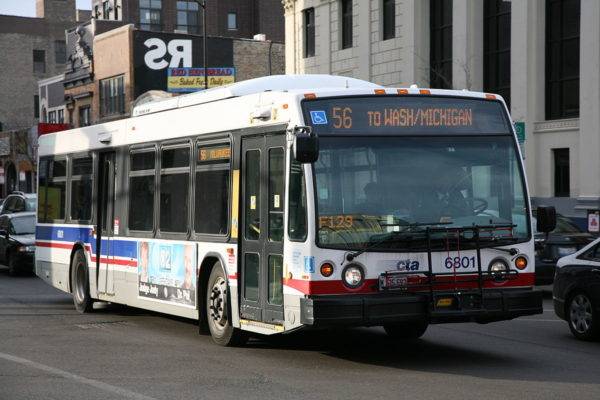
That is why I always encourage people to contact a personal injury attorney in Chicago if they have been injured or hurt on the CTA. Although these requirements that apply to the CTA in personal injury claims are the worst (cases aginst the City of Chicago also have a one year deadline), there are all sorts of variations and exceptions in the Statutes of Limitations in all sorts of different cases.
Only qualified attorneys have the training and experience to evaluate your CTA Injury case and let you know whether you still have time to file a personal injury lawsuit if you got hurt on the CTA.
Many of the lawyers who work for the CTA have been there for years. That means that they have defensed the same kind of case, over and over. They get really, really good at it.
Imagine if you only did one kind of job…over and over…after ahile, you’d get pretty good at it. Because you’d have 20 or more years of experience doing that one thing. These TA lawyers are smart cookies with lots of experience. You’d better hire a lawyer who is willing to take your case ‘all the way’ if that’s what it takes to get the job done.
I do not mean to discourage you. I have had success with CTA injury cases. Many of the best cases I have had involving an injury on the CTA came from people who ALMOST didn’t call me. Then, it turns out that I was able to develop evidence and information that made their case very strong if they got hurt on the CTA.
Many times, we do not know unless we put in a bit of time and money and effort into seeing just how strong we can make your case. And injury lawyers offer free consultations, so it costs you nothing.

Any injury caused by CTA negligence — slip and falls on buses or trains, injuries from sudden stops or jerking movements, door malfunctions trapping passengers, platform accidents, assaults where CTA failed to provide adequate security, train derailments, and bus accidents. The CTA's obligation as a common carrier requires it to exercise the highest degree of care for passenger safety. When it fails, injured passengers have legal recourse — but must navigate the one-year notice of claim requirement that applies to government entities.
The CTA is a government entity, which means: a one-year notice of claim deadline instead of the standard two-year PI statute of limitations, sovereign immunity defenses that private companies don't have, and different insurance and claims procedures. These differences make CTA cases more time-sensitive and procedurally complex than cases against private defendants. Missing the one-year notice deadline permanently bars your claim. Call me the day you're injured on the CTA: 312-500-4500.
Report the injury to the bus driver or station agent immediately and get an incident report number. Take photos of the hazard, your injuries, and the specific CTA vehicle or station location. Get names and contact information from witnesses. Document your injuries with photos over time. Seek medical attention the same day. Then call an attorney before the CTA's legal and claims team gets ahead of you. I send evidence preservation letters immediately upon retention — CTA surveillance footage is critical and gets overwritten quickly.
Yes — always, with no obligation. CTA injury cases are time-sensitive because of the one-year notice requirement, so don't wait. Call me at 312-500-4500 any time, day or night. I handle CTA cases on contingency — no fee unless we win, nothing out of pocket from you. I'll tell you quickly whether you have a viable claim and what needs to happen immediately to protect your rights.
Report the injury to the CTA operator or station agent and request a written incident report - do not leave without one. Get medical attention immediately, even if you feel fine, because CTA cases require strong medical documentation. Take photos of where you were injured, the vehicle, and any conditions that caused the injury. Get contact information from witnesses, especially other passengers. Do not give a recorded statement to the CTA or its insurance representatives before talking to an attorney. Call me at 312-500-4500 right away because evidence in CTA cases disappears quickly.
The CTA is a public entity, which means it has legal protections that private bus operators don't have. The biggest difference is the Tort Immunity Act, which imposes a strict one-year notice requirement for filing a claim - much shorter than the standard two-year personal injury statute of limitations. The CTA also has its own dedicated legal team and rarely settles quickly. Private bus operators like charter companies are subject to standard personal injury rules with the full two-year deadline and typical commercial insurance defense. CTA cases require more time and specialized knowledge.
You must serve written notice on the CTA within one year of the date of the injury. This is required by the Illinois Local Governmental and Governmental Employees Tort Immunity Act, and it is non-negotiable - miss the one-year notice and your case is over, no matter how serious your injuries. The notice must include specific information about the injury, the date and location, and the names of everyone involved. Don't wait. Call me at 312-500-4500 immediately after a CTA injury so I can serve the notice within the deadline.
You can still have a claim. The CTA is responsible for maintaining its stations, platforms, escalators, elevators, and other facilities in a reasonably safe condition. Injuries from slip-and-falls on unswept platforms, broken stairs, malfunctioning escalators, and other station hazards are all potentially actionable. The same one-year notice deadline applies. Take photos of the hazard immediately, get witness information, and report the incident to the CTA station agent. Then call me.
The CTA can be liable for injuries caused by its vehicles, including pedestrian accidents. CTA bus drivers have a heightened duty of care because they're operating large commercial vehicles in city traffic. If you were hit while crossing the street, waiting at a bus stop, or anywhere else, you have a potential claim. The same one-year notice deadline applies. Get medical attention immediately, file a police report, and contact me at 312-500-4500 so I can preserve evidence and serve the required notice.
Yes - and it significantly changes how your case is litigated. The Tort Immunity Act gives the CTA several defenses that private parties don't have: shortened deadlines, heightened notice requirements, and various forms of immunity for certain decisions. The Act imposes a one-year notice deadline and limits some types of damages. It also requires you to prove certain elements that private defendants don't get to demand. This is why CTA cases require an attorney who knows how to navigate the Act's many provisions.
Photos of the scene, the vehicle or station condition, and your injuries. Witness statements with contact information. The CTA's own incident report, surveillance footage from buses and stations (which gets overwritten quickly - we send preservation letters immediately), medical records documenting your injuries, and police reports if applicable. The CTA's records about prior complaints, maintenance, and driver training can also be powerful evidence in serious cases. I send formal preservation demands the day I take a CTA case because the CTA will not voluntarily preserve evidence that hurts its defense.
CTA cases generally take longer than typical personal injury cases. The CTA rarely makes early settlement offers, and most cases progress through formal litigation. Expect 18 to 30 months for a typical case, longer if the case goes to trial. The CTA has dedicated defense lawyers who handle these cases full-time and are not in a hurry to settle. That is why you need an attorney who is willing to litigate fully and prepared to take the case to trial when necessary.

Would you like to know more about cta bus accident lawyer chicago?
If you or a loved one is dealing with a situation like this, give us a call any time, day or night. We are here to help. 312-500-4500


Scott DeSalvo founded DeSalvo Law to help injured people throughout Chicago and surrounding suburbs. Licensed to practice law in Illinois since 1998, IARDC #6244452, Scott has represented over 3,000 clients in personal injury, workers compensation, and accident cases.
No Fee Unless You Win | Free Consultation | 24/7 Availability Call or Text: (312) 500-4500
>>Read More
Main Office:
1000 Jorie Blvd Ste 204
Oak Brook, IL 60523
New Cases: 312-500-4500
Office: 312-895-0545
Fax: 866-629-1817
service@desalvolaw.com
Chicago and Other Suburban Offices
By Appointment Only