
You put your mother in that facility because you couldn't give her the round-the-clock care she needed and you trusted them to. Then you saw the bedsore that should never have formed, or got the call about a fall that shouldn't have happened, or watched her decline in ways that had nothing to do with aging and everything to do with neglect. That betrayal has a particular sting, and it's why these cases matter so much.
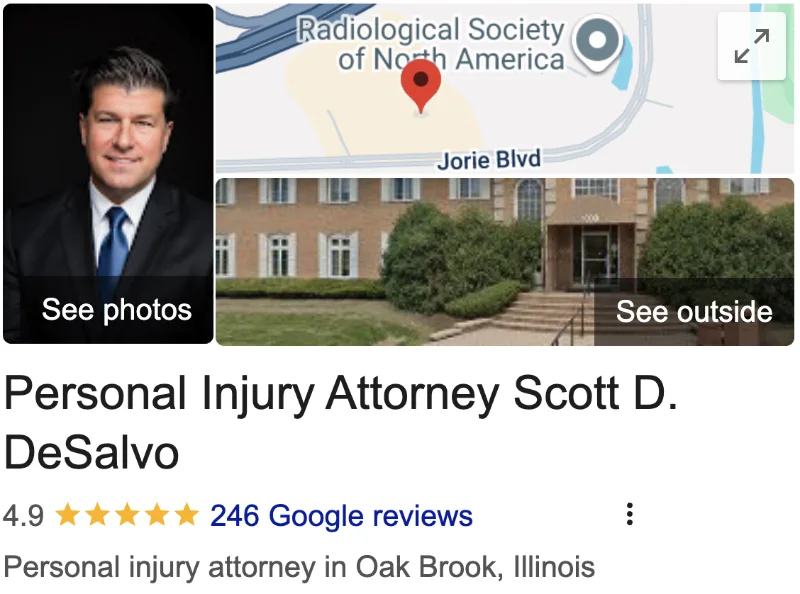
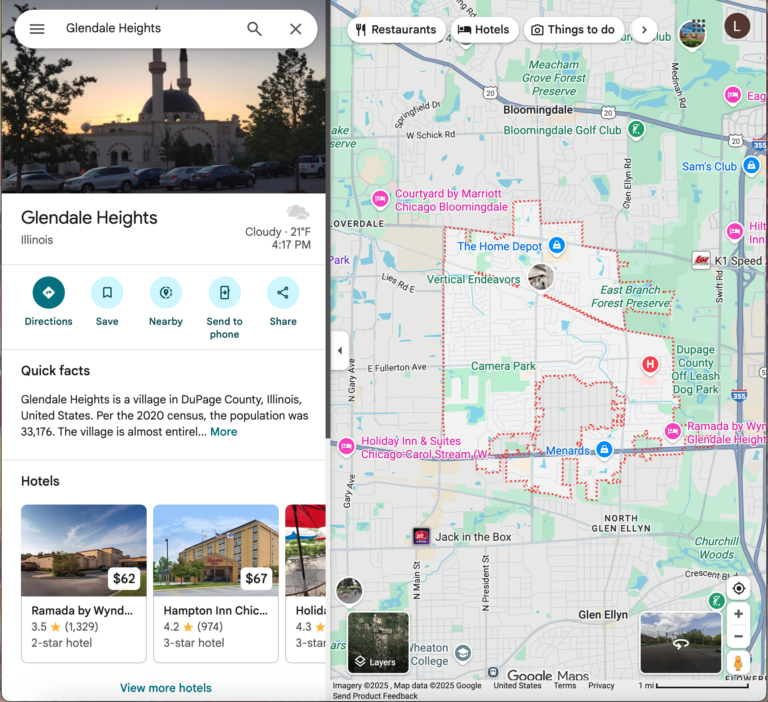
I'm Scott DeSalvo, and I've pursued nursing-home injury and neglect cases across DuPage County for almost 30 years. Let me be clear about what this page is and isn't: it's about serious harm — real, preventable injuries caused by a facility that didn't do its job. If that's what happened to someone you love, Illinois law is on your side, and the conversation about it is free.

Some problems in a facility are unavoidable. Many are not, and certain injuries are red flags that care broke down badly:
A serious, advanced bedsore is rarely just "part of getting old." It usually means a resident wasn't turned and repositioned as required, and it can progress to deep tissue death and life-threatening infection. Advanced pressure ulcers are one of the clearest signs of neglect there is.
Facilities are required to assess each resident's fall risk and put safeguards in place. A broken hip from an unwitnessed fall often traces back to a care plan that was ignored or never made.
Residents who aren't given enough to eat and drink, or whose infections go unnoticed until they turn septic, are residents who weren't being watched. Untreated sepsis, in particular, can be catastrophic.
When a facility loses track of a resident with dementia who then leaves the building, the danger is immediate and the failure is on them.
Here's something most families don't know: Illinois has a statute built precisely for this — the Nursing Home Care Act. It doesn't just set standards; it gives residents a private right to sue when a facility violates their rights, and it allows the recovery of attorney's fees and costs on top of damages when a violation is proven.
Why does that matter to you? Because it means the law is deliberately structured to make it possible for ordinary families to hold well-funded facilities accountable, even when the harm — a lonely, preventable decline — is hard to put a price on. The Act treats the resident's rights as enforceable rights, not suggestions.
What most people don't realize is that nursing-home cases are won in the paperwork. Facilities are required to keep detailed records: care plans, repositioning and toileting logs, medication administration records, incident reports, and federally mandated assessments. Those documents show whether the required care actually happened.
Here's the uncomfortable part: when a facility senses a problem, records can get "updated," filled in after the fact, or go missing. The sooner a lawyer sends a preservation demand and secures those records, the harder it is for a facility to paper over what happened. Waiting gives them time to build a cleaner-looking file than the care ever was.

It's frequently more than the aide who was in the room. Liability can reach the facility itself for chronic understaffing, the corporate ownership that set staffing budgets too thin to provide safe care, the administrators who ignored complaints, and sometimes outside contractors responsible for specific services. Many facilities are owned by large chains that run lean on purpose, and that business decision — not just one bad shift — is often the real cause of the harm.
Imagine a resident whose chart calls for turning every two hours to prevent bedsores, on a wing where one aide is covering far too many residents to possibly do that. The ulcer that follows isn't bad luck. It's the predictable result of a staffing choice made in an office.
Look — expect the facility to blame the resident's own fragility for everything. "She was elderly and declining anyway." "The bedsore was unavoidable given her conditions." "The fall couldn't have been prevented." Their insurer and defense lawyers will lean on the resident's age and health to argue that preventable neglect was just nature taking its course.
What most lawyers won't tell you is how effective that defense is when a family doesn't have the medical evidence and the records to counter it. Advanced age is not a license to neglect someone, and the care standards apply no matter how frail the resident. Proving that the harm was preventable — with the documents and expert review to back it — is exactly the work.
Facilities and their insurers know which lawyers will actually dig into the staffing data, secure the records before they change, and prepare a case a jury can understand — and which ones won't. The prepared ones get real accountability and fair settlements. Almost 30 years of experience and trial training through Gerry Spence's Trial Lawyers College and the Keenan Trial Institute is what makes a facility take the claim seriously enough to resolve it fairly.
When neglect causes real harm, a case can seek compensation for the resident's medical costs to treat the injury, their physical pain and suffering, the harm to their dignity and quality of life, and — where the Nursing Home Care Act applies and a violation is proven — attorney's fees and costs as well. If neglect contributed to a death, the family may also have wrongful death and survival claims.
Bottom Line: your loved one had enforceable rights the day they walked through that door, and a facility that violated them can be held to account.
If you're seeing signs that someone you love was seriously hurt or neglected in a DuPage County facility, don't wait for the records to get tidied up. Call me, describe what you're seeing, and I'll tell you honestly whether it looks like a case. There's no cost for the conversation and no fee unless I recover for your family.
I'm available 24/7/365. Call 312-500-4500.
"Scott is absolutely fantastic. He will always go the extra mile for his clients. They always take the time to return phone calls at all hours and I highly recommend him to all my friends."
-Melissa Brooks
"Great people and Scott's a great lawyer. They helped me make the wisest decision for my case, and that's important in serious legal matters. I trust him completely. He is the one to call."
-Tony Skvarenina
"Beyond satisfied with the services I received from this law firm. Definitely recommend! They got me fully paid and all the doctor bills, too. If you want the best, this is the law firm for your injury case!"
-Cynthia Rodriguez
"Scott represented me and I was really pleased with everything, my car accident paid a lot and quick. If you want a good Lawyer who is responsive, and straight with you, I highly recommend him."
-Greg Garcia
That's the right question, and often it takes reviewing the records to answer it honestly. Certain injuries — advanced bedsores, repeated falls, dehydration, untreated infections that turn septic — are recognized red flags because the care standards exist specifically to prevent them. Aging explains a lot, but it doesn't explain a resident who wasn't turned, fed, hydrated, or watched as their own care plan required. I can help you tell the difference by getting the documents reviewed.
It's a state law written specifically to protect nursing-home residents. It sets out residents' rights, and — importantly — it lets residents and their families sue when a facility violates those rights, with the ability to recover attorney's fees and costs on top of damages when a violation is proven. It's one of the main reasons Illinois families can realistically take on large, well-funded facilities.
Document everything you can — photograph injuries like bedsores, write down dates, names, and what you observed, and keep any communications from the facility. If your loved one is in immediate danger, address their safety and medical care first. Then call a lawyer quickly, because the facility's own records are the heart of the case and need to be preserved before they can be altered.
Nothing out of pocket. I handle these on contingency and advance the costs of investigation and expert review myself, so you pay nothing unless I recover for your family. And because the Nursing Home Care Act can allow recovery of attorney's fees from the facility when a violation is proven, the fee structure is designed to make holding them accountable realistic.
Sometimes an outcome genuinely is unavoidable — but that's exactly what the facility will claim whether it's true or not, because it's their best defense. The way to test it is with the medical records, the care plans, and an expert's review of whether the facility met the standards it was required to meet. Don't take their word for it; a serious preventable injury deserves a real look.
>>Go To Main Page<<

Scott DeSalvo founded DeSalvo Law to help injured people throughout Chicago and surrounding suburbs. Licensed to practice law in Illinois since 1998, IARDC #6244452, Scott has represented over 3,000 clients in personal injury, workers compensation, and accident cases.
No Fee Unless You Win | Free Consultation | 24/7 Availability Call or Text: (312) 500-4500
>>Read More
Main Office:
1000 Jorie Blvd Ste 204
Oak Brook, IL 60523
New Cases: 312-500-4500
Office: 312-895-0545
Fax: 866-629-1817
service@desalvolaw.com
Chicago and Other Suburban Offices
By Appointment Only