Getting hit near the Madison Street nightlife strip, or by an Uber or Lyft, is one of the most tangled kinds of car crash there is — because the hard part is not proving you were hurt, it is untangling which insurance policies actually apply. Forest Park's bar and restaurant district runs late, and the streets around it fill with rideshare pickups, cabs, and drivers who have been drinking. When a crash happens in that environment, you can be looking at the at-fault driver's personal policy, a rideshare company's commercial coverage, a bar's liability, and your own uninsured or underinsured motorist coverage all at once — or none of them, depending on details most people never think to check. Sorting that out correctly is the difference between a full recovery and getting stuck with your own bills.
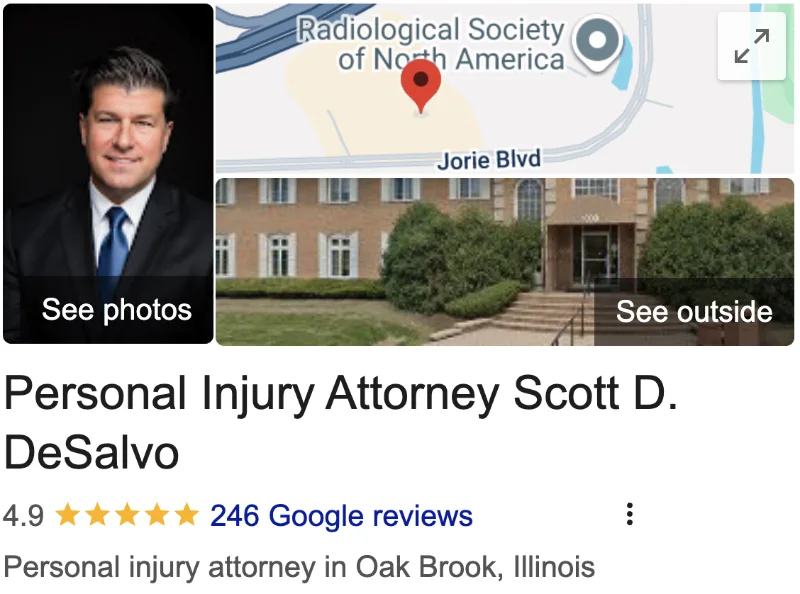
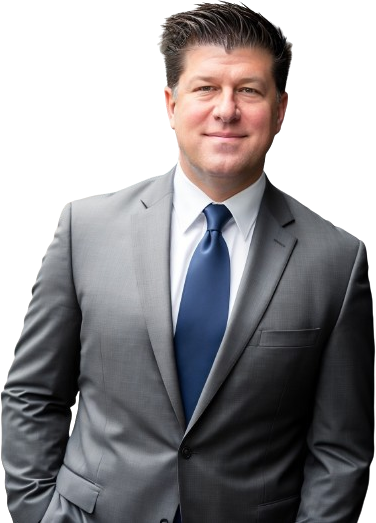
I am Scott DeSalvo, and I have spent almost 30 years handling exactly these kinds of layered, contested crash cases. I take a limited number of cases so each one gets real attention, and I move fast to protect the evidence before it is gone. If you were hurt in a Forest Park crash, the call is free, I am available 24/7 at 312-500-4500, and you pay nothing unless I win.
When an Uber or Lyft is involved in your crash, the single most important question is what the driver was doing at that exact moment. Rideshare insurance works in phases. If the app was off, only the driver's personal auto policy applies — and personal policies often exclude rideshare driving entirely. If the app was on and the driver was waiting for a ride, a limited amount of company coverage kicks in. If the driver was on the way to a passenger or had one in the car, a much larger commercial policy applies. The rideshare company has every incentive to place the crash in the cheapest phase possible.
Proving which phase was active takes fast, specific work. The app data, the trip records, the timestamps — these live with the company, and they do not hand them over out of kindness. Whether you were a passenger in the rideshare, a driver hit by one, or a pedestrian struck near the Blue Line terminal or on Madison Street, getting the coverage right early is what makes your claim worth pursuing. I know what to demand and how to demand it before the record gets cleaned up.

A crash caused by a drunk driver is not just a stronger case — it can open up an additional source of recovery. Forest Park's Madison Street district means alcohol is part of the everyday traffic picture, and when a driver leaves a bar impaired and hurts someone, Illinois Dram Shop law can, in the right circumstances, hold the establishment that overserved them responsible too. That is a separate claim with its own rules and its own short deadlines, and it is easy to lose if no one preserves the evidence quickly.
A drunk-driving crash also changes the tone of the whole case. The at-fault driver's own insurer knows a jury will not look kindly on their client, which affects what the case is worth. But none of that helps you if the proof — the police report, any citations, witness accounts, the bar's records — is not gathered while it still exists. The sooner I am involved, the more of that I can lock down.
Not every serious Forest Park crash happens downtown at night — plenty happen on the fast, heavy roads that cut through town. The Eisenhower Expressway (I-290) runs across the north end with quick, aggressive merges at the on-ramps. Harlem Avenue (IL-43) and Roosevelt Road carry constant through-traffic and produce the high-speed rear-end and intersection wrecks that cause the worst injuries. When a crash happens at expressway speed, the forces on the human body are severe even when the vehicles do not look destroyed.
These roads also bring commercial vehicles into the picture. Delivery trucks, box trucks, and company vehicles use these corridors all day, and a crash with a commercial vehicle means a company, its logs, its policy, and its lawyers are involved from the first minute. Those cases reward speed and knowing what evidence to demand, which is exactly the posture I bring to them.
One of the most common tricks an insurer plays is pointing at your bumper and telling you that if the car is fine, you must be fine too. That is not how the human body works. Real neck, back, and soft-tissue injuries happen at speeds that barely scratch a vehicle, and stop-and-go crashes near the Blue Line terminal or on a backed-up Harlem Avenue routinely leave people hurt even when the metal held up. The condition of your bumper is not medical evidence. Your diagnosis is.
The danger is that adjusters use that argument to talk you out of your own claim before you have even seen a doctor. Do not let a stranger whose job is to save the company money decide whether you are injured. Get evaluated, follow the treatment, and let the medical record — not the photos of the car — determine the value of your case.

What you do in the hours and days after a crash has a real effect on what your claim is worth. If you can, get the other driver's information and, in a rideshare crash, screenshot everything you can about the trip. Take photos of the vehicles, the scene, and the intersection. Get names and numbers of any witnesses, because people scatter quickly around a busy area like Madison Street or the terminal. See a doctor promptly, even if the pain seems to be settling — gaps in treatment are the first thing an insurer attacks.
Then be careful about who you talk to. The at-fault driver's insurer will call, sound friendly, and ask for a recorded statement. You are not required to give one, and it almost always helps them more than you. Politely decline, tell them your lawyer will follow up, and call me. The earlier I am in the case, the more evidence I can protect and the fewer mistakes get made.
Building one of these cases is a matter of getting to the evidence before it disappears and getting the coverage right before anyone lowballs you. That means securing camera footage from nearby businesses and public cameras before it is overwritten, pulling rideshare and commercial records through the right channels, identifying every applicable policy, and documenting your injuries and losses fully. Cook County car cases from this area are handled through the Maywood courthouse, the Fourth Municipal District, and knowing that local landscape is part of doing the job right.
I also prepare every case as if it will be tried, even though almost none of them are. As a graduate of Gerry Spence's Trial Lawyers College and the Keenan Trial Institute, I approach settlement negotiations from a position of readiness. Insurers pay more when they believe the lawyer across from them will actually take the case to a jury. That trial-ready posture is what turns a fair claim into a fair result.
Call me and tell me what happened at work. I'll explain exactly what you're owed, flag whether there's a second claim hiding in your case, and tell you what to do next. It's free, and you pay nothing unless I recover for you — capped at 20% by Illinois law.
I answer the phone 24/7. Call 312-500-4500.
"Scott is absolutely fantastic. He will always go the extra mile for his clients. They always take the time to return phone calls at all hours and I highly recommend him to all my friends."
-Melissa Brooks
"Great people and Scott's a great lawyer. They helped me make the wisest decision for my case, and that's important in serious legal matters. I trust him completely. He is the one to call."
-Tony Skvarenina
"Beyond satisfied with the services I received from this law firm. Definitely recommend! They got me fully paid and all the doctor bills, too. If you want the best, this is the law firm for your injury case!"
-Cynthia Rodriguez
"Scott represented me and I was really pleased with everything, my car accident paid a lot and quick. If you want a good Lawyer who is responsive, and straight with you, I highly recommend him."
-Greg Garcia
Yes, significantly. Truck cases involve federal safety regulations, company logs and maintenance records, and corporate liability beyond the driver — and the trucking company often moves to secure evidence right away. That makes fast action and knowing what to demand especially important, and it's the kind of case I'm built to handle.
Generally two years from the date of the crash under Illinois law. But evidence disappears long before then — camera footage is overwritten, vehicles are repaired, and truck records can be lost — and if a government vehicle was involved, the deadline can be much shorter. Calling early protects both the proof and your claim.
No. You're not required to give the at-fault driver's insurer a recorded statement, and it usually helps them more than you. Their adjusters ask questions designed to lock in answers they can later use to cut your claim. Decline politely, tell them your lawyer will follow up, and let me handle those calls.
Possibly. Insurers argue that minor damage rules out injury, but that's not how the body works — real neck and back injuries happen at low speeds. Your medical evidence decides the claim, not the condition of your bumper. Don't let an adjuster talk you out of a genuine injury.
Nothing unless we win. I work on contingency — my fee, 33 1/3% (or 40% if the case goes into litigation), comes only from what I recover for you, and I advance the costs. If we don't win, you owe nothing.

Scott DeSalvo founded DeSalvo Law to help injured people throughout Chicago and surrounding suburbs. Licensed to practice law in Illinois since 1998, IARDC #6244452, Scott has represented over 3,000 clients in personal injury, workers compensation, and accident cases.
No Fee Unless You Win | Free Consultation | 24/7 Availability Call or Text: (312) 500-4500
>>Read More
Main Office:
1000 Jorie Blvd Ste 204
Oak Brook, IL 60523
New Cases: 312-500-4500
Office: 312-895-0545
Fax: 866-629-1817
service@desalvolaw.com
Chicago and Other Suburban Offices
By Appointment Only