

The deadline to bring a wrongful death case is not one fixed number — it changes depending on how your loved one died, and that is exactly why waiting is so dangerous. Families often assume they have two years, which is the general rule, and then discover far too late that their situation carried a much shorter clock. A death that involves a government entity — a public bus, a village vehicle, a public property — can require special notice and a deadline as short as about a year. A death caused by medical care layers the malpractice timing rules on top. By the time a grieving family feels ready to think about a lawyer, the window that actually applied to them may already be closing.
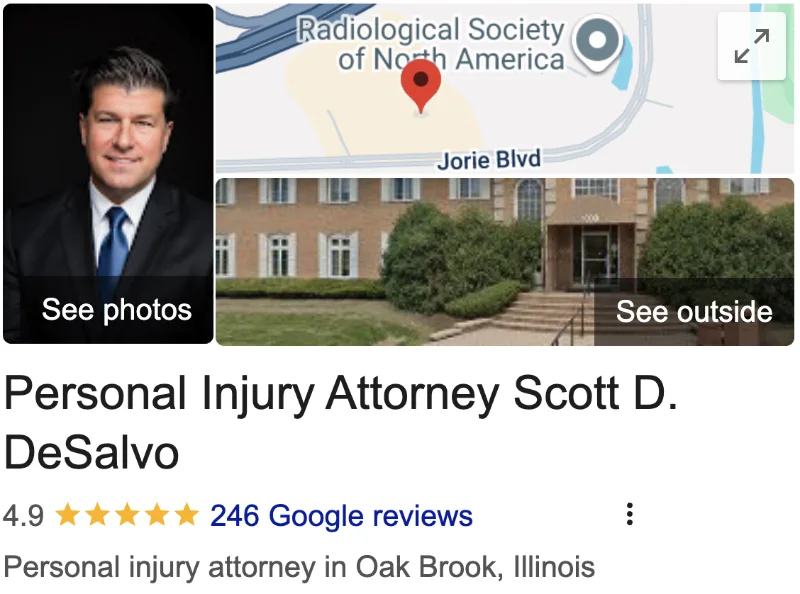
I am Scott DeSalvo, and for almost 30 years I have helped families in situations no one is ever prepared for, and I handle these cases with the care that kind of loss demands. Understanding which deadline applies to your family's case is one of the first and most important things a lawyer does — and it is one of the easiest to get wrong on your own. The call is free, I am available 24/7 at 312-500-4500, I handle wrongful death cases on contingency, and I advance the costs, so a grieving family is never handed a bill to seek accountability.
The general rule in Illinois is two years from the date of death, but "general" is the trap word. The clock can shift depending on what caused the death, and the shifts almost always run in the direction of less time, not more. If a government body may be responsible, the rules change sharply — notice often has to be given quickly, and the deadline to sue can be far shorter than the standard two years. In Forest Park, where public transit, government vehicles, and public property are woven through daily life, this is not a remote scenario.
A death involving medical care follows different timing again. The medical malpractice rules — the two-year discovery period, the four-year outer cap — can interact with the wrongful death deadline in ways that are genuinely difficult to calculate without knowing the law. The point is not to memorize the exceptions. The point is to understand that the deadline that applies to your family is not something you should assume. It is something a lawyer needs to look at early, because guessing wrong ends the case permanently.

Claims that involve a public entity are governed by rules built to make those claims harder to bring, and the notice requirements are the sharpest edge. When a governmental body may bear responsibility for a death, there can be a requirement to formally notify the right entity within a short period, and a shortened deadline to actually file. Miss the notice, and you can lose the right to sue even though you were well within what you thought was the deadline. These rules exist precisely because they trip families up.
This is why a death connected to transit, a public vehicle, or public property demands fast legal attention. The Blue Line terminal, the PACE routes, village operations, and public roadways are all part of the fabric of Forest Park, and a death involving any of them can carry one of these short windows. The family that calls early gives a lawyer the chance to identify the correct entity and preserve the claim before a notice deadline quietly expires. The family that waits may never get that chance.
In Illinois, a wrongful death case is brought by the personal representative of the deceased person's estate, not simply by whoever was closest to them. That is usually a surviving spouse or adult child, but the court may need to formally appoint that person first before the case can move. Whatever is recovered is then divided among the surviving spouse and next of kin according to their dependency and their loss. When a family has not yet had anyone appointed, helping them get that done is often one of the very first things I handle.
This structure exists to bring order to a hard situation, but it can feel like a maze to a family in grief. Part of my job is to take that procedural weight off of them — the estate, the appointment, the paperwork — so they are not fighting the court system on top of everything else. Families should be allowed to grieve while someone who does this for a living handles the machinery.
Illinois recognizes two connected but distinct losses when someone is killed by negligence, and complete cases pursue both. The wrongful death claim compensates the family for their loss — the guidance, companionship, support, and relationship they will no longer have. The survival claim, brought through the estate, is separate: it covers what your loved one themselves endured before passing, including conscious pain and suffering, medical expenses, and lost wages in that period. They are not the same claim, and pursuing only one can leave real value unaddressed.
Bringing both is a matter of doing the case fully rather than partially. The family's loss and the deceased person's own suffering are different harms that the law treats differently, and a thorough case accounts for each. When I take on a wrongful death matter, I look at the whole picture — everything the family lost and everything their loved one went through — so nothing that Illinois law allows gets left behind.

When a death occurs, an insurer will sometimes move quickly to offer the family money — and an offer that comes that early is almost always far below what the claim is actually worth. Before the full scope of the loss has even been measured, the adjuster's number cannot reflect it. What that early offer usually reflects is the insurer's hope that a family in shock will accept something fast and close the door on anything more. Accepting it typically forecloses any further recovery, permanently.
Please do not sign anything from an insurer before a lawyer has looked at it. It costs nothing to have me review an offer and tell you honestly where your family stands and whether the number is anywhere near fair. A grieving family should never be rushed into a decision that cannot be undone, by a company whose interest is in paying as little as possible.
These are the hardest cases I take, and I do not treat them like paperwork. A family that has lost someone to another's carelessness deserves a lawyer who handles the matter with genuine care and who is also prepared to fight hard for accountability. Because I take a limited number of cases, I can give a wrongful death case the attention it requires — building the full loss, preserving the evidence, and standing up to the insurer or entity responsible.
I also prepare these cases to be tried when that is what fairness requires. As a graduate of Gerry Spence's Trial Lawyers College and the Keenan Trial Institute, I approach a wrongful death case ready to put it before a jury if the other side will not deal fairly with a family's loss. That readiness is often what moves an insurer from a token offer to a serious one, without ever having to see a courtroom.
Call me and tell me what happened at work. I'll explain exactly what you're owed, flag whether there's a second claim hiding in your case, and tell you what to do next. It's free, and you pay nothing unless I recover for you — capped at 20% by Illinois law.
I answer the phone 24/7. Call 312-500-4500.
"Scott is absolutely fantastic. He will always go the extra mile for his clients. They always take the time to return phone calls at all hours and I highly recommend him to all my friends."
-Melissa Brooks
"Great people and Scott's a great lawyer. They helped me make the wisest decision for my case, and that's important in serious legal matters. I trust him completely. He is the one to call."
-Tony Skvarenina
"Beyond satisfied with the services I received from this law firm. Definitely recommend! They got me fully paid and all the doctor bills, too. If you want the best, this is the law firm for your injury case!"
-Cynthia Rodriguez
"Scott represented me and I was really pleased with everything, my car accident paid a lot and quick. If you want a good Lawyer who is responsive, and straight with you, I highly recommend him."
-Greg Garcia
The estate's personal representative — usually a surviving spouse or adult child, who may need a court to appoint them first. Whatever is recovered is divided among the surviving spouse and next of kin based on their dependency and loss. If no one has been appointed yet, helping the family get that done is one of the first things I handle.
Generally two years from the date of death, though it can change with the cause — a death involving medical malpractice or a government entity can follow different timing and notice rules. Because those exceptions can shorten the window sharply, and building the case well takes time, it's best to speak with a lawyer sooner rather than later.
Yes, it's separate and usually pursued alongside the wrongful death claim. The wrongful death claim compensates the family's loss; the survival claim, brought through the estate, covers what your loved one endured before passing — conscious pain, medical expenses, and lost wages in that period. Illinois allows both, and complete cases pursue both.
Yes — it costs nothing up front. I handle wrongful death cases on contingency and advance the litigation costs myself, so you pay only if I recover for your family, never out of pocket. A grieving family should not be handed a bill to seek accountability.
Please talk to a lawyer before signing anything. An offer made this early, before the full loss has been measured, is almost always far below the claim's value, and accepting it usually forecloses anything more. It costs nothing to have me review it and tell you honestly where you stand.


Scott DeSalvo founded DeSalvo Law to help injured people throughout Chicago and surrounding suburbs. Licensed to practice law in Illinois since 1998, IARDC #6244452, Scott has represented over 3,000 clients in personal injury, workers compensation, and accident cases.
No Fee Unless You Win | Free Consultation | 24/7 Availability Call or Text: (312) 500-4500
>>Read More
Main Office:
1000 Jorie Blvd Ste 204
Oak Brook, IL 60523
New Cases: 312-500-4500
Office: 312-895-0545
Fax: 866-629-1817
service@desalvolaw.com
Chicago and Other Suburban Offices
By Appointment Only