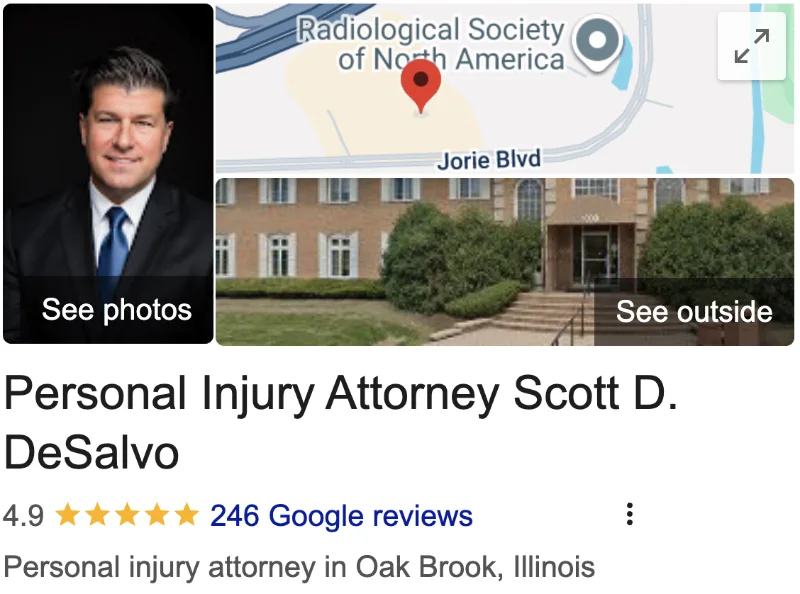


A bad outcome is not the same thing as malpractice — and that single sentence is why these cases are so hard, and why so many lawyers turn them away. Medicine involves real risk, and sometimes things go wrong even when everyone did their job right. Malpractice is different: it's when a provider falls below the accepted standard of care, and that failure hurts you. Proving the difference takes experts, money, and years of persistence.
I'm Scott DeSalvo. I've handled serious injury cases across DuPage County for almost 30 years, and I take medical negligence cases when the evidence supports them — the ones many firms won't touch because they're too expensive and too difficult. If you or someone you love was harmed by a mistake at a hospital, a clinic, or a doctor's office near Glendale Heights, here's an honest look at what you're facing. The conversation is free.
Look — you can't build a case on "the doctor was rude" or "the recovery was harder than I expected." A malpractice case has to clear a specific bar: there was a doctor-patient relationship, the provider deviated from the standard of care a competent provider would have followed, that deviation caused your injury, and you suffered real damages because of it.
That "standard of care" piece is the crux, and here's what most people don't know: you can't just tell a jury the care was bad. You have to prove it through another qualified physician who reviews the records and testifies that what happened fell below accepted practice. No expert, no case. That's why the strength of your medical experts often matters more than anything else.

Illinois takes malpractice claims seriously enough that it built a gatekeeper into the law itself. Under 735 ILCS 5/2-622, you generally cannot even file a medical malpractice lawsuit without attaching a written report — a "certificate of merit" — from a qualified health professional who has reviewed the case and concluded there's a reasonable basis to believe malpractice occurred.
In plain terms: before your case ever sees a courtroom, a doctor has to put their name behind it. That requirement weeds out frivolous claims, but it also means the up-front work and cost are significant. A lawyer who isn't prepared to invest in expert review before filing can't properly bring one of these cases at all.
Most Illinois injury cases run on a simple two-year clock. Malpractice has two-and-a-half layers.
You generally have two years from when you knew, or reasonably should have known, that an injury was caused by malpractice — that "discovery" piece matters, because some errors don't surface for months. But sitting behind it is a hard four-year "statute of repose": with limited exceptions, you cannot file more than four years after the act of malpractice, even if you discovered it late. Cases involving children have their own special rules. The combination trips people up constantly, and once these deadlines pass, an otherwise strong case is simply over. When in doubt, ask early.
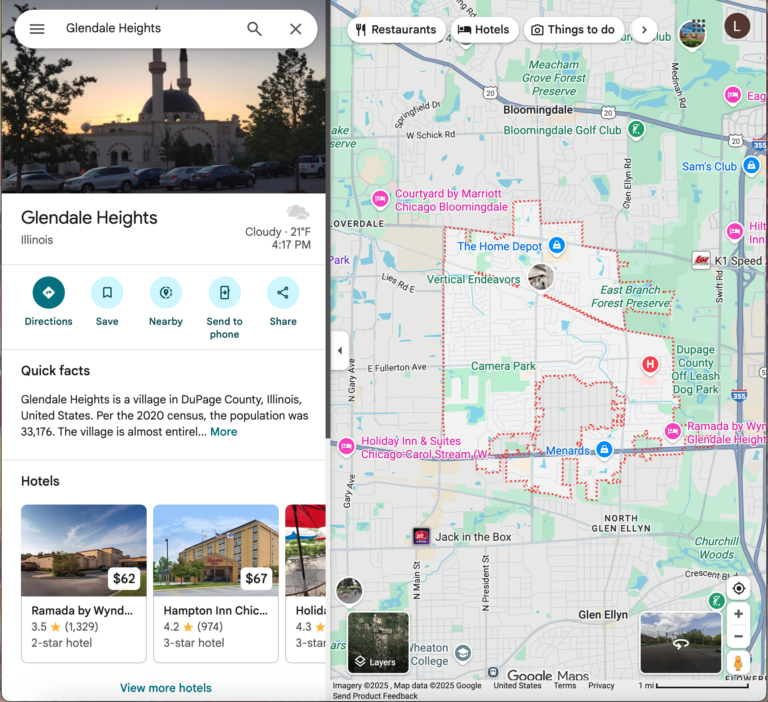
Medical negligence covers a lot of ground. The cases I most often review come out of surgical errors and avoidable complications, diagnoses that were missed or dangerously delayed, birth injuries to mother or baby, medication and dosage mistakes, infections from poor hospital protocols, emergency-room lapses, and anesthesia errors. DuPage County and the surrounding area have no shortage of medical facilities — from Glen Oaks Hospital to the specialty clinics — and where there's care, there's occasionally care that falls below the line.
Consider a delayed-diagnosis situation: you go in with symptoms, the warning signs are in your chart, and instead of ordering the test that would have caught the problem, you're sent home. Months later it's found — now far more advanced and far harder to treat. That delay, and what it cost you, is the case.
Here's the uncomfortable part. Hospitals and doctors are defended by large malpractice insurers and specialized defense firms whose entire job is to defeat these claims, and they are very good at it. They have their own stable of expert physicians ready to swear the care was appropriate. They will scrutinize every prior condition you had to argue your outcome was inevitable. And they know most plaintiffs' lawyers can't afford to go the distance.
What most lawyers won't tell you: they decline the majority of malpractice inquiries not because the medicine was fine, but because the case is too costly and too hard to justify the investment. I'll tell you honestly where your case falls — including when it isn't one.

In a case that lives or dies on dueling experts and thousands of pages of records, the difference between a lawyer who prepares fully and one who doesn't is enormous. Insurers settle these cases fairly only when they believe the plaintiff's side is genuinely ready to try them to a verdict, with credible experts and a lawyer who won't fold under the cost. Almost 30 years of experience and trial training through Gerry Spence's Trial Lawyers College and the Keenan Trial Institute is what makes that credibility real — and credibility is what produces a fair settlement.
When negligence causes real harm, Illinois law allows recovery for medical expenses past and future, lost income and lost earning capacity, physical pain, disability and disfigurement, and the loss of a normal life. In malpractice cases the attorney's fee in Illinois is 33⅓% of the recovery, and as with all my cases, you pay nothing up front and nothing unless we win.
Bottom Line: these are the hardest injury cases to win, which is exactly why the lawyer you choose matters more here than anywhere else.
The honest answer is that you often can't know for sure without a qualified physician reviewing the records — that's true for me as well as for you. A bad result alone isn't malpractice; there has to be a deviation from the accepted standard of care that caused your injury. What I can do is review what happened, and where it looks serious, have the medical records evaluated by an expert. Illinois law actually requires that expert review before a case can be filed.
Generally two years from when you discovered, or should have discovered, that malpractice caused your injury — but there's also a hard four-year outer limit from the date of the malpractice itself, with limited exceptions. Cases involving children follow different rules. Because the discovery date and the four-year repose interact in ways that are easy to get wrong, and missing either one ends the case, it's important to ask a lawyer early rather than assume you have time.
Because they're expensive and hard. Every case requires paying qualified medical experts to review records and testify, the litigation can stretch for years, and the defense is extremely well funded. A lot of firms simply aren't set up to carry that cost and risk. I take these cases when the evidence supports them, and I'll tell you honestly when it doesn't.
Nothing out of pocket. I work on contingency, and the fee on a medical malpractice case in Illinois is 33⅓% of the recovery. I advance the significant costs of expert review and litigation myself. If we don't win, you owe me nothing — you're never personally on the hook for those expert bills.
Yes. When a medical mistake causes a death, Illinois law allows the family to pursue both a wrongful death claim for the survivors' losses and a survival claim for what the person endured before passing. These are brought through the estate's representative. They're among the most serious cases I handle, and I treat them with the care that a loss like that deserves.
No. Of course the hospital and its insurer say the care was appropriate — that's their position in almost every case. Their opinion isn't the deciding factor; an independent expert's review of the records is. Don't let a hospital's own denial talk you out of having the case looked at properly, especially with the filing deadlines running.


Scott DeSalvo founded DeSalvo Law to help injured people throughout Chicago and surrounding suburbs. Licensed to practice law in Illinois since 1998, IARDC #6244452, Scott has represented over 3,000 clients in personal injury, workers compensation, and accident cases.
No Fee Unless You Win | Free Consultation | 24/7 Availability Call or Text: (312) 500-4500
>>Read More
Main Office:
1000 Jorie Blvd Ste 204
Oak Brook, IL 60523
New Cases: 312-500-4500
Office: 312-895-0545
Fax: 866-629-1817
service@desalvolaw.com
Chicago and Other Suburban Offices
By Appointment Only