The driver who hit you might not be from anywhere near Itasca. With O'Hare minutes away, the Elgin-O'Hare running through the area, and hotels and business parks drawing people in from everywhere, a lot of local crashes involve out-of-town drivers, rental cars, and people behind the wheel for work. That changes one of the most important questions in your case: whose insurance actually pays — and it's often not as simple as the other driver's personal policy.
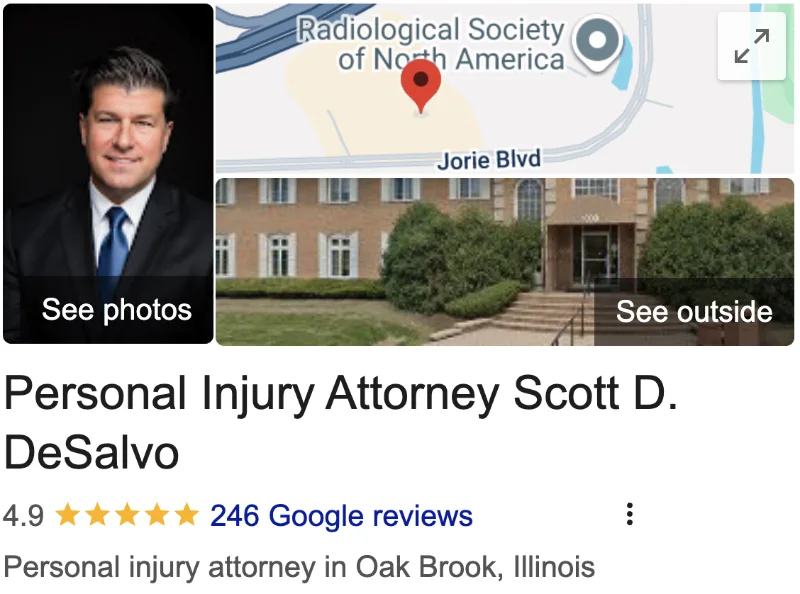
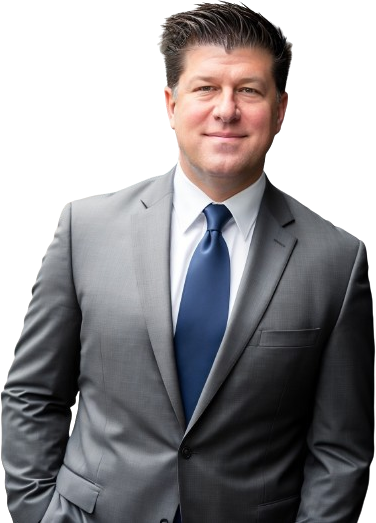
I'm Scott DeSalvo, and I've handled crash cases across DuPage County for almost 30 years. Whether you were hit on Irving Park Road, near the Elgin-O'Hare, or in a hotel or shopping lot around Itasca, my job is to find every source of coverage and make the responsible insurer pay what your case is worth. The first call is free.
Here's something most people never think to ask: was the other driver on the clock? If the person who hit you was making a delivery, driving a company car, or otherwise working, their employer's insurance may be on the hook — and a business auto policy is often far larger than a personal one. The same goes for rideshare drivers and, sometimes, rental situations.
That single fact can be the difference between a policy that can't cover your injuries and one that can. Chasing down whether a business was involved is one of the first things I do on an Itasca crash, and it's the kind of thread an unrepresented person almost never pulls.

Adrenaline is a liar. After the impact you may feel shaken but basically okay, so you tell the officer and the other driver you're fine — and days later your neck seizes or your back gives out. By then the insurance company has your own words saying you weren't hurt, and they'll use them.
Neck, back, and concussion injuries routinely take a day or two to announce themselves. Get examined promptly even if you feel alright, and let the medical record — not a roadside comment — describe your injuries.
The adjuster who calls sounding concerned is not on your side; being pleasant is part of the method. They want an early recorded statement, questions built to trap you, and a quick lowball offer before you understand your own injuries — every step aimed at paying you less. You are not required to give the other driver's insurer a recorded statement, and you generally shouldn't. Tell them your lawyer will be in touch, and hand those calls to me.
This catches almost everyone: the at-fault driver's insurer doesn't pay your medical bills as you go. It pays once, at the end, if it pays fairly — leaving the bills to you in the meantime. Your own Medical Payments coverage, if you have it, pays regardless of fault, and your health insurance can carry the rest. And if the driver had no coverage or too little, your uninsured/underinsured motorist coverage may fill the gap. I comb every policy to find all of it.
Bottom line: the size of the dent is the least important number in your case — don't let anyone settle it as if it's the whole story.
Call me and tell me what happened. I'll tell you honestly whether you have a case, run down every insurance policy that might apply, deal with the adjusters, and charge you nothing unless I win. You pay nothing out of pocket.
I'm reachable any time, day or night. Call 312-500-4500.

A car crash may not be your only claim. For the complete picture of how I help injured people here, start with my Itasca Personal Injury Attorney page.
Yes. Where the driver lives doesn't decide your rights — the crash happened in Illinois, so Illinois law governs your claim. An out-of-state or rental situation can actually open up additional coverage. I'll sort out which insurers apply and pursue every one that's responsible.
It can matter a lot. If the at-fault driver was on the job or in a company vehicle, their employer's insurance may be responsible, and business policies are frequently much larger than personal ones. Figuring out whether a company was involved is one of the first things I check, because it can transform what's available to cover your injuries.
Generally two years from the date of the crash under Illinois law. But evidence disappears long before that — camera footage is overwritten, vehicles are repaired, and memories fade — and if a government vehicle was involved, the deadline can be much shorter. Calling early protects both the evidence and your claim.
Possibly. Insurers argue that minor damage means no injury, but that's not how bodies work — real neck and back injuries happen at low speeds. Your medical evidence decides the claim, not the condition of your bumper. Don't let an adjuster wave off a genuine injury.
Nothing unless we win. I work on contingency — my fee, 33 1/3% (or 40% if the case goes into litigation), comes only from what I recover for you, and I advance the costs. If we don't win, you owe me nothing.

Scott DeSalvo founded DeSalvo Law to help injured people throughout Chicago and surrounding suburbs. Licensed to practice law in Illinois since 1998, IARDC #6244452, Scott has represented over 3,000 clients in personal injury, workers compensation, and accident cases.
No Fee Unless You Win | Free Consultation | 24/7 Availability Call or Text: (312) 500-4500
>>Read More
Main Office:
1000 Jorie Blvd Ste 204
Oak Brook, IL 60523
New Cases: 312-500-4500
Office: 312-895-0545
Fax: 866-629-1817
service@desalvolaw.com
Chicago and Other Suburban Offices
By Appointment Only