A driver rolling down Ogden Avenue toward the zoo, half-lost and scanning for a parking spot, is looking everywhere except the crosswalk where a family is stepping off the curb — and that is how too many Brookfield injuries begin. This is a village where people are constantly on foot and on bicycles: kids heading to Kiwanis Park, commuters walking to the Brookfield and Congress Park Metra stations, and crowds of visitors crossing at First Avenue and 31st Street to reach Brookfield Zoo. Ogden Avenue is US-34, a genuinely busy commercial highway, and 31st Street carries heavy east-west traffic. When a driver fails to yield the right of way at a crosswalk, the person who pays for it is almost always the pedestrian or the cyclist, because they have no steel around them.
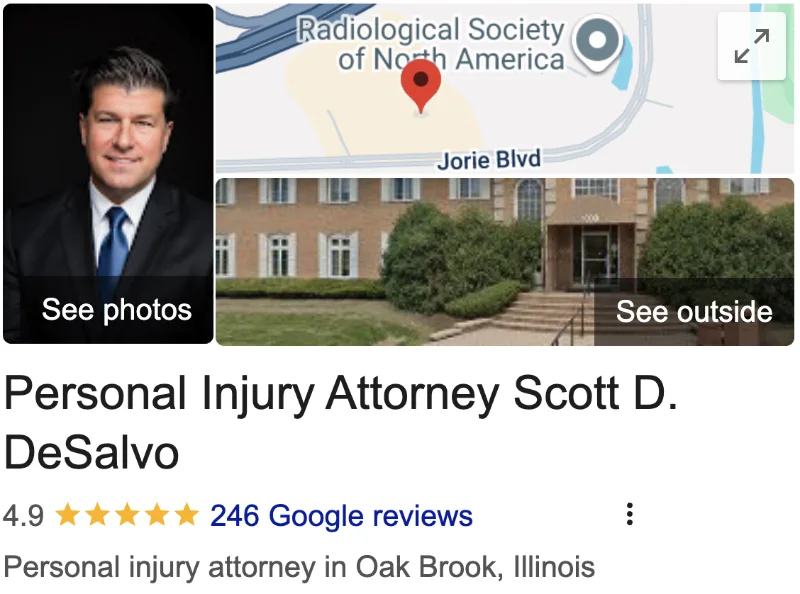
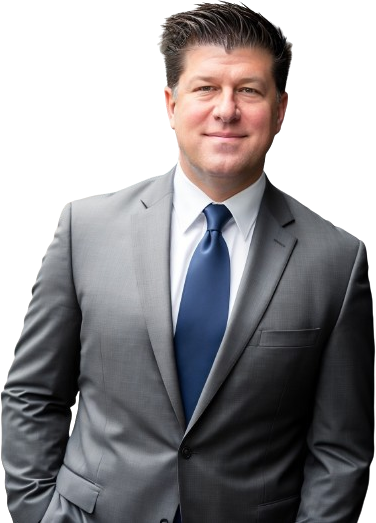
I am Scott DeSalvo, and I have spent nearly 30 years handling crash cases — including the pedestrian and bicycle cases that are so common in a walkable, crowd-heavy town like Brookfield. These are not minor claims. A person struck by a car, even at moderate speed, can suffer fractures, head injuries, and lifelong consequences, and the insurer's first instinct is to blame the victim for "darting out." I take those fights seriously. You can reach me any time at 312-500-4500, and there is no fee unless I win.
Illinois law requires drivers to yield to pedestrians in a crosswalk, and that duty does not evaporate because the driver was in a hurry or unfamiliar with the area. In a town where visitors flood in from out of town, "I didn't know people crossed there" is a common excuse — and it is not a defense. Whether the crosswalk is marked or unmarked at an intersection, drivers must slow, look, and yield. When they roll through anyway while checking for zoo parking or reading a map, and a person is hit, the failure to yield is the heart of the liability case.
Cyclists have rights on these roads too, and drivers routinely violate them. Illinois generally treats a bicycle rider with many of the same rights and duties as a driver, and a motorist who turns across a bike's path, opens a door into a rider, or squeezes past too closely can be held responsible for the crash.

Insurers defend pedestrian and bicycle claims aggressively because their entire strategy is to shift blame onto the person who was hurt. They will argue you crossed against the signal, stepped out from between parked cars, or were not in the crosswalk. That is why the physical evidence matters so much: the point of impact, the vehicle's damage and resting position, the crosswalk markings, witness accounts, and any nearby camera footage from a business or intersection. In a busy corridor like Ogden Avenue or near the zoo entrance, that evidence exists — but only for a while.
Comparative fault is the battleground. Illinois uses modified comparative negligence, so even if the insurer pins some share of blame on you, you can still recover as long as you were not more than half at fault — your award is simply reduced by your percentage. Countering the blame-shifting, with evidence and not just argument, is a central part of what I do in these cases.
Camera footage from stores, gas stations, and intersections along Ogden Avenue and 31st Street is often overwritten within days or weeks, and once it is gone, it is gone. Vehicles get repaired, skid marks fade, and witnesses scatter — especially out-of-town visitors who were only in Brookfield for the afternoon and are impossible to find later. Moving quickly to identify and preserve that proof is frequently the difference between a provable case and one that becomes your word against the driver's.
The same roads that carry families to the zoo carry commercial trucks and delivery vans, and a crash with one of those is a different and more serious case. Trucking companies are governed by federal safety regulations, keep logs and maintenance records, and carry corporate liability beyond the individual driver — and they often move to lock down their own evidence immediately after a crash. Knowing what to demand, and demanding it fast, is exactly the kind of case I am built to handle.
Adrenaline hides injuries, and the person who walks away from a crash feeling only shaken can wake up the next morning barely able to move. Neck and back injuries, concussions, and soft-tissue damage frequently do not announce themselves at the scene. Getting examined promptly protects your health and creates the medical record that ties your injuries to the crash — the record an insurer cannot easily wave away.
A car or pedestrian injury claim in Illinois covers far more than the emergency room bill. You can recover past and future medical expenses, lost income and lost earning capacity, physical pain, disability and disfigurement, and the loss of a normal life. For someone struck as a pedestrian or cyclist, those future and quality-of-life damages are often the largest part of the claim — and the part the insurer most wants you to ignore.
Before you give a recorded statement or accept any check, talk to a Brookfield Personal Injury Attorney who handles these crashes every day. One phone call can keep you from saying the thing an adjuster is fishing for, and it costs you nothing to get real answers.
"Scott is absolutely fantastic. He will always go the extra mile for his clients. They always take the time to return phone calls at all hours and I highly recommend him to all my friends."
-Melissa Brooks
"Great people and Scott's a great lawyer. They helped me make the wisest decision for my case, and that's important in serious legal matters. I trust him completely. He is the one to call."
-Tony Skvarenina
"Beyond satisfied with the services I received from this law firm. Definitely recommend! They got me fully paid and all the doctor bills, too. If you want the best, this is the law firm for your injury case!"
-Cynthia Rodriguez
"Scott represented me and I was really pleased with everything, my car accident paid a lot and quick. If you want a good Lawyer who is responsive, and straight with you, I highly recommend him."
-Greg Garcia
Yes, significantly. Truck cases involve federal safety regulations, company logs and maintenance records, and corporate liability beyond the driver — and the trucking company often moves to secure evidence right away. That makes fast action and knowing what to demand especially important, and it's the kind of case I'm built to handle.
Generally two years from the date of the crash under Illinois law. But evidence disappears long before then — camera footage is overwritten, vehicles are repaired, and truck records can be lost — and if a government vehicle was involved, the deadline can be much shorter. Calling early protects both the proof and your claim.
No. You're not required to give the at-fault driver's insurer a recorded statement, and it usually helps them more than you. Their adjusters ask questions designed to lock in answers they can later use to cut your claim. Decline politely, tell them your lawyer will follow up, and let me handle those calls.
Possibly. Insurers argue that minor damage rules out injury, but that's not how the body works — real neck and back injuries happen at low speeds. Your medical evidence decides the claim, not the condition of your bumper. Don't let an adjuster talk you out of a genuine injury.
Nothing unless we win. I work on contingency — my fee, 33 1/3% (or 40% if the case goes into litigation), comes only from what I recover for you, and I advance the costs. If we don't win, you owe nothing.

Scott DeSalvo founded DeSalvo Law to help injured people throughout Chicago and surrounding suburbs. Licensed to practice law in Illinois since 1998, IARDC #6244452, Scott has represented over 3,000 clients in personal injury, workers compensation, and accident cases.
No Fee Unless You Win | Free Consultation | 24/7 Availability Call or Text: (312) 500-4500
>>Read More
Main Office:
1000 Jorie Blvd Ste 204
Oak Brook, IL 60523
New Cases: 312-500-4500
Office: 312-895-0545
Fax: 866-629-1817
service@desalvolaw.com
Chicago and Other Suburban Offices
By Appointment Only