

Few injuries land harder than one that happens in the delivery room, where a moment that was supposed to bring a family its greatest joy instead leaves a mother or a newborn seriously harmed. Birth injuries are among the most devastating medical malpractice cases there are — for the baby, who may face lifelong consequences, and for the mother, whose own care can go wrong during labor and delivery. And they carry a feature that sets them apart from almost every other injury claim: because the patient is a child, Illinois applies longer and special deadlines that do not work the way the ordinary two-year clock does. Families often assume time has run out when it has not, or assume there is no rush when the rules are more complicated than that.
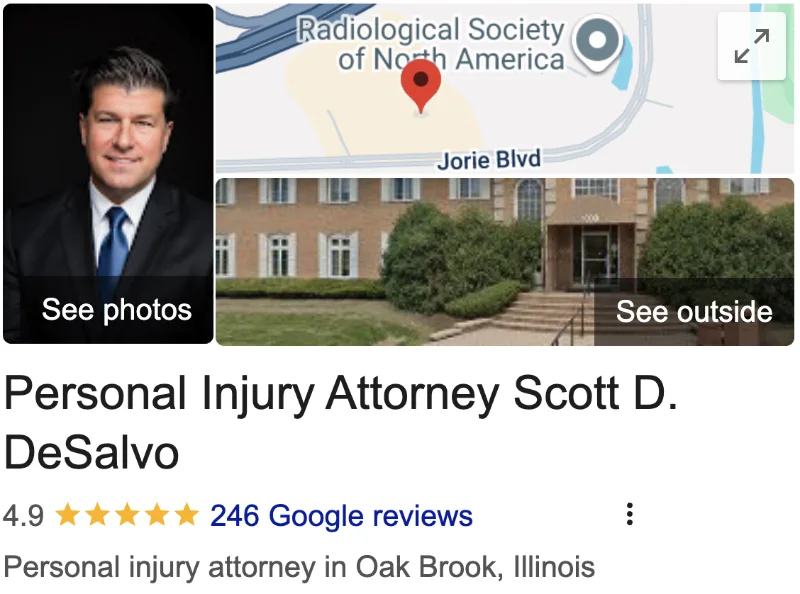
I am Scott DeSalvo, and in nearly 30 years I have taken on the medical malpractice cases many firms turn away. These cases are expensive, difficult, and fought by well-funded hospital defense teams — and I take them when the evidence supports them. If you believe your child or you were harmed by negligent care in an OB setting or any medical setting, call me at 312-500-4500. The consultation is free, I advance the substantial expert costs myself, and there is no fee unless I win.

Labor and delivery is a high-stakes window where small failures in monitoring or timing can cause permanent harm, and the law asks whether the care fell below the accepted standard. Failures to properly monitor the baby's heart rate and respond to signs of distress, delays in ordering a necessary cesarean, mismanagement of oxygen deprivation, improper use of delivery instruments, and failures to recognize and treat dangerous conditions in the mother can all lead to serious injury. A birth injury case looks closely at what the providers knew, when they knew it, and whether their response met the standard a competent OB team was required to meet.
A bad outcome, by itself, is not malpractice — and that distinction is where these cases live or die. Medicine involves risk, and not every tragedy is the result of negligence. The question is always whether the care deviated from the accepted standard and whether that deviation caused the harm. Answering it honestly is the first thing I do.
For most adults, Illinois medical malpractice claims run two years from when the harm was discovered, with a hard four-year outer limit from the date it happened — but claims on behalf of children are governed by separate, longer rules. Illinois provides an extended window for a minor's malpractice claim, recognizing that a child cannot protect their own legal rights and that a birth injury's full effects may not be understood for years. These special timing rules are genuinely different from the adult deadlines, and they interact with the general limits in ways that are easy to miscalculate. The safe course is never to guess — it is to have a lawyer look at the specific dates in your case early, because getting the deadline wrong ends even the strongest claim.
Illinois does not let a medical malpractice case be filed on suspicion alone — under 735 ILCS 5/2-622, a qualified health professional must review the records and vouch that there is a reasonable, meritorious basis for the claim. That certificate of merit is a threshold every case has to clear. It means the first real work in your case is getting the medical records in front of a knowledgeable physician who can say whether the care fell below standard. It is also part of why these cases are expensive to bring — and why so many firms will not carry the cost. I have those records reviewed by an expert when the case looks serious, and I give you a straight answer when the evidence is not there.
Why So Many Lawyers Turn These Cases Down
Medical malpractice cases are among the most demanding in all of personal injury law: they require paid medical experts, they can take years, and they pit you against a hospital's deep-pocketed defense. Many firms are simply not set up to advance that kind of risk and expense. That is the practical reason a family with a legitimate birth injury claim can call several lawyers and hear "no" without ever learning whether they actually had a case. I evaluate these seriously, and when the facts and the expert review support moving forward, I am prepared to see the case through.
When negligence harms a child at birth, the future costs can be staggering, and Illinois law is meant to account for them. Recoverable damages include past and future medical expenses — often a lifetime of care and therapy — along with lost earning capacity, physical pain, disability and disfigurement, and the loss of a normal life. For an injured mother, the same categories apply to her own harm. These are not small cases, and evaluating the full lifetime impact is essential to valuing them correctly.
When negligent medical care causes a death — including a death connected to childbirth — Illinois allows the family to pursue both a wrongful death claim for their loss and a survival claim for what the person endured beforehand. Both are brought through the estate's representative. These are among the most serious matters I handle, and I approach them with the care such a loss requires.
"Scott is absolutely fantastic. He will always go the extra mile for his clients. They always take the time to return phone calls at all hours and I highly recommend him to all my friends."
-Melissa Brooks
"Great people and Scott's a great lawyer. They helped me make the wisest decision for my case, and that's important in serious legal matters. I trust him completely. He is the one to call."
-Tony Skvarenina
"Beyond satisfied with the services I received from this law firm. Definitely recommend! They got me fully paid and all the doctor bills, too. If you want the best, this is the law firm for your injury case!"
-Cynthia Rodriguez
"Scott represented me and I was really pleased with everything, my car accident paid a lot and quick. If you want a good Lawyer who is responsive, and straight with you, I highly recommend him."
-Greg Garcia
Usually only a qualified physician reviewing the records can say for sure, and I can't tell from your account alone. A bad outcome isn't enough — the care has to have fallen below the accepted standard and caused your injury. What I can do is examine what happened and, where it looks serious, have the records reviewed by an expert, which Illinois requires before a case can even be filed.
Generally two years from when you discovered the harm came from malpractice, with a hard four-year ceiling from the date it occurred and separate rules for children. Those two limits interact in ways that are easy to miscalculate, and missing either one ends the case. That's why it's worth asking a lawyer early rather than assuming there's still time.
Because they're expensive and hard. Each needs paid medical experts, can take years, and pits you against a well-funded defense. Many firms aren't set up to carry that risk. I take these on when the evidence supports it and give you a straight answer when it doesn't.
Nothing out of pocket. I work on contingency at the standard Illinois malpractice fee of 33 1/3%, and I advance the heavy expert-review costs myself. If we don't win, you owe nothing and are never personally responsible for those expert bills.
Yes. When a medical mistake causes a death, Illinois lets the family pursue a wrongful death claim for their loss and a survival claim for what the person endured beforehand, both through the estate's representative. These are among the most serious cases I take, and I handle them with the care such a loss demands.


Scott DeSalvo founded DeSalvo Law to help injured people throughout Chicago and surrounding suburbs. Licensed to practice law in Illinois since 1998, IARDC #6244452, Scott has represented over 3,000 clients in personal injury, workers compensation, and accident cases.
No Fee Unless You Win | Free Consultation | 24/7 Availability Call or Text: (312) 500-4500
>>Read More
Main Office:
1000 Jorie Blvd Ste 204
Oak Brook, IL 60523
New Cases: 312-500-4500
Office: 312-895-0545
Fax: 866-629-1817
service@desalvolaw.com
Chicago and Other Suburban Offices
By Appointment Only