




Seventeen years.
That's how long my father's injury case dragged on after a workplace accident left him unable to work. I watched my family struggle while insurance companies played games and his own attorney turned against him at the end. That experience shaped everything about how I practice law today.
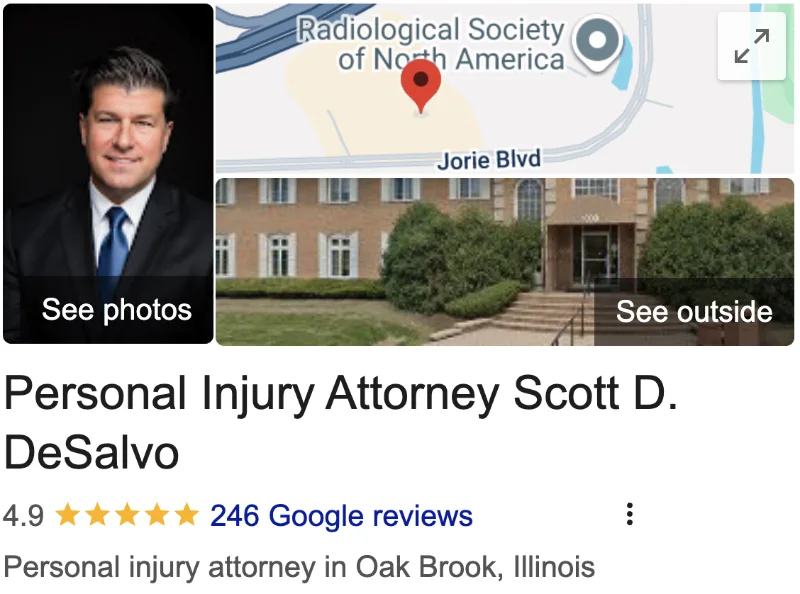
I'm Scott DeSalvo, a Chicago medical malpractice attorney who represents families when doctors, hospitals, and healthcare systems fail them. Since 1998, I've dedicated my practice exclusively to helping injured people – never insurance companies, never defendants. Your fight becomes my fight.

Medical malpractice occurs when healthcare providers deliver substandard care that causes patient harm. This isn't about bad outcomes despite good care – complications happen even when doctors do everything right. Malpractice is about negligence: when a provider's actions fall below accepted medical standards and that deviation directly injures the patient.
To establish a valid medical malpractice claim in Illinois, four essential elements must be present:
A formal treatment relationship must have existed between you and the healthcare provider. This means they agreed to treat you and you accepted their care. Casual medical advice at social gatherings doesn't create this relationship, but any documented care at hospitals like Northwestern Memorial, Rush University Medical Center, or University of Chicago Medical Center establishes it.
The provider must have deviated from accepted medical standards. This means their treatment fell below what reasonably competent doctors in the same specialty would have done under similar circumstances. Examples include surgical errors like operating on the wrong body part, diagnostic failures like missing cancer on imaging studies, medication errors involving wrong dosages or dangerous drug interactions, and obstetric negligence during labor and delivery.
The provider's negligence must have directly caused your injury. It's not enough to prove they made a mistake – you must demonstrate that this specific error led to harm you wouldn't have suffered otherwise. If a doctor prescribed the wrong medication but you never took it, no injury occurred. But if you took that medication and developed kidney failure as a result, the causal link is established.
You must have suffered quantifiable harm requiring compensation. This includes medical expenses, lost income, reduced earning capacity, pain and suffering, disability, or wrongful death. Without demonstrable damages, there's no basis for a claim even if negligence occurred.
Medical malpractice litigation differs fundamentally from other personal injury cases. These cases demand significant financial investment, specialized medical knowledge, and unwavering commitment – which is why many attorneys decline them. Here's what makes them challenging:
Illinois law requires qualified medical experts to establish malpractice. You cannot simply tell a jury your doctor made a mistake. You need physicians in the same specialty to review your case, provide written opinions, and testify that the defendant breached the standard of care. Securing, preparing, and compensating these experts costs tens of thousands of dollars – expenses I cover upfront.
Understanding what actually happened requires deciphering hundreds or thousands of pages of technical documentation. Medical charts contain specialized terminology, abbreviations, test results, imaging studies, and physician notes that demand careful analysis. Someone with experience in medical malpractice litigation must review these records to identify where care went wrong.
Illinois imposes strict time limits for filing medical malpractice lawsuits. Generally, you have two years from when you discovered (or reasonably should have discovered) the injury to file suit. There's also an absolute deadline of four years from when the malpractice occurred, regardless of when you discovered it. For minors, special rules apply. Missing these deadlines permanently destroys your case, which is why early consultation is critical.
Before filing suit, Illinois law requires a sworn statement from a qualified physician. This affidavit must confirm that the doctor reviewed your medical records and believes your case has merit. Obtaining this requires having all relevant records reviewed by an appropriate expert willing to put their professional opinion in writing under oath.
Healthcare providers carry malpractice insurance, and those insurers hire experienced defense attorneys who fight hard. They use every available tactic to deny liability, minimize damages, challenge your credibility, and wear you down through prolonged litigation. You need an attorney with the resources, knowledge, and determination to match their efforts.
Medical errors occur across all healthcare settings and specialties. I've handled cases involving major Chicago hospitals, suburban medical centers, and small clinics. Here are the most frequent categories:
These cases involve devastating harm to newborns or mothers during pregnancy, labor, or delivery. When obstetricians miss signs of fetal distress, delay necessary cesarean sections, improperly use forceps or vacuum extractors, or fail to recognize maternal complications, the results can be catastrophic. Babies may suffer permanent brain damage, cerebral palsy, Erb's palsy, or fractured bones. Mothers may experience severe hemorrhaging, uterine rupture, or death. If your child was injured at Northwestern Memorial, Advocate Christ Medical Center, or any Chicago-area hospital, I can help determine whether negligence played a role.
While all surgery carries risks, some errors are inexcusable. Wrong-site surgery means operating on the wrong body part or even the wrong patient. Retained surgical instruments occur when tools or sponges are left inside patients, causing infections and requiring additional surgeries. Nerve or organ damage results from surgical carelessness. Anesthesia mistakes involve improper dosing or inadequate monitoring leading to brain damage or death. Post-operative infections stem from failure to maintain sterile conditions. These errors destroy lives and careers.
When doctors miss or delay critical diagnoses, patients lose precious time for treatment. Cancer, heart disease, stroke, infections, and blood clots are all treatable when caught early. But when physicians fail to order appropriate tests, misread imaging studies, ignore obvious symptoms, dismiss patient concerns, or neglect specialist referrals, outcomes worsen dramatically. I've represented clients whose cancers progressed to late stages because radiologists missed tumors on scans, whose heart attacks were dismissed as indigestion in emergency rooms, and whose strokes went untreated because warning signs were ignored.
Prescription mistakes kill thousands of Americans annually. Wrong medications, incorrect dosages, dangerous drug interactions, drugs given to the wrong patient, and pharmacy dispensing errors all cause serious harm. I've handled cases where patients suffered kidney failure, liver damage, strokes, cardiac arrest, and death because someone made a preventable medication error.
Emergency departments at Chicago hospitals are perpetually overcrowded and understaffed. While this creates difficult working conditions, it doesn't excuse negligence. Sending home patients experiencing heart attacks, missing stroke symptoms, failing to order necessary diagnostic tests, and discharging patients prematurely all constitute malpractice when they cause preventable harm.
Entrusting a loved one to a nursing facility is an agonizing decision made harder when that facility fails them. Preventable bedsores, falls due to inadequate supervision, dehydration, malnutrition, medication errors, and physical abuse all occur far too frequently. I've represented families whose elderly relatives suffered needless injuries or death because nursing homes prioritized profits over proper care.
Anesthesia errors are terrifying because they can cause brain damage or death within minutes. Excessive or insufficient anesthesia, failure to review medical history, inadequate vital sign monitoring, and intubation errors all constitute grounds for claims. If you or a loved one suffered a hypoxic brain injury or died during surgery due to anesthesia-related complications, immediate legal consultation is essential.



Every case has unique value depending on the severity of injuries, strength of evidence, and insurance coverage. I fight to recover full compensation across all applicable categories:
These are quantifiable financial losses with documentation. Past and future medical expenses include emergency treatment, hospitalizations, surgeries, medications, physical therapy, medical equipment, home modifications for disabilities, and long-term care needs. Lost wages cover every paycheck you missed due to injury-related absences. Lost earning capacity compensates for permanent inability to work or reduced work capacity that affects lifetime earnings.
These compensate for intangible losses that profoundly affect quality of life. Pain and suffering addresses physical pain, emotional distress, anxiety, depression, and psychological trauma. Loss of enjoyment of life compensates for activities, hobbies, and experiences you can no longer pursue. Disability and disfigurement recognize permanent physical limitations and changes to appearance. I've invested over $100,000 in advanced trial training – including graduating from Gerry Spence's Trial Lawyer's College – specifically to present these damages effectively to juries.
If medical negligence caused your loved one's death, Illinois law allows surviving family members to pursue wrongful death claims. These cases seek compensation for funeral and burial expenses, loss of the deceased's financial support and services, loss of companionship and consortium, and grief and mental anguish suffered by survivors. While no amount of money replaces a lost family member, these claims hold negligent parties accountable and provide financial stability for those left behind.

I handle medical malpractice cases differently than most attorneys, with approaches developed over 27 years of practice. Here's what sets my representation apart:
This isn't marketing language – it's how I operate. You deserve to have your calls returned promptly, speak with an attorney who genuinely cares, and understand what's happening with your case at every stage. When you work with me, you're not a file number or a case reference. You're someone I'm fighting for, and I take that responsibility personally.
I've spent over $100,000 on advanced litigation training to maximize results for clients. As a graduate of Gerry Spence's Trial Lawyer's College and KTI's "The Edge" program, I possess trial skills that fewer than one in 10,000 lawyers have acquired. This training gives me sophisticated techniques for presenting complex medical evidence to juries, cross-examining defense experts, and delivering closing arguments that win cases. Insurance companies know my background, which often leads to higher settlement offers because they understand I'm prepared to take cases to verdict.
When I say I'm available any time, I mean it literally. Call me at 2:00 a.m. on Tuesday, Christmas morning, or Sunday afternoon – I answer. Medical malpractice creates trauma that doesn't respect business hours. Questions arise when you're lying awake at night worrying about your family's future. I'm there when you need me.
Medical malpractice cases require substantial investment in expert witnesses, medical record reviews, depositions, and court costs. I advance all expenses – you pay nothing upfront. My fee is contingent: I only get paid if I win, taking a standard 33⅓% of the recovery. If I don't recover compensation for you, you owe me nothing. This arrangement means I only take cases I believe in, and my financial interests align perfectly with yours.
I have never defended an insurance company, hospital, or doctor – not once in 27 years. I exclusively represent injured people. This means there's never a conflict between my values and my work. Your fight is always my fight, and I bring that commitment to every case.
Find Out What YOUR Case Might Be Worth...for free.

Understanding how these cases unfold helps reduce anxiety about the unknown. Here's what to expect when you hire me:
We start with a free, no-pressure conversation about what happened. Call me at (312) 500-4500 or contact me through my website to schedule a time to talk – by phone, at my Chicago office, at your home, or wherever you're comfortable. I listen carefully to your story, ask questions to understand the situation fully, and give you my honest assessment. If you have a strong case, I explain why. If there are challenges, I discuss them. If you don't have a case, I tell you directly and try to point you in the right direction. There's no sales pressure or legal jargon – just straightforward conversation between two people.
Once you hire me, I immediately begin investigating your case. I obtain complete medical records from every relevant provider – sometimes hundreds or thousands of pages that I personally review. I research the applicable standard of care, identify all potentially liable parties, document your current condition, calculate damages, and start building the strongest possible case. Early, thorough investigation often determines case outcomes.
Winning medical malpractice cases requires qualified physicians willing to testify that defendants breached the standard of care. I've developed relationships with top medical experts across specialties over decades of practice. These experts review your records, provide detailed written opinions about what went wrong, and prepare to testify at trial if necessary. They're expensive, but they're essential – and I cover those costs.
Illinois requires an affidavit of merit before filing medical malpractice suits. This sworn statement from a qualified physician confirms they reviewed your case and believe it has merit. I work with experts to prepare this document, then file your lawsuit – typically in Cook County Circuit Court for Chicago cases. While filing suit sounds intimidating, it's often necessary to demonstrate you're serious about pursuing justice.
During discovery, both sides exchange information and take depositions – sworn testimony recorded before trial. I depose the doctors and nurses who treated you, hospital administrators, and defense experts. Defense lawyers will depose you as well, and I prepare you thoroughly so you know what to expect. This phase takes months or sometimes years in complex cases, but I keep you informed throughout.
Most medical malpractice cases settle before trial, but only when you have an attorney willing to go to trial if necessary. I negotiate aggressively, presenting your case backed by expert opinions and solid evidence. Many cases proceed to mediation, where a neutral third party facilitates settlement discussions. I never pressure you to accept inadequate offers – it's your case, your life, your decision. I provide my professional opinion, but you make the final call.
If insurers won't offer fair compensation, I'm prepared to take your case to trial. Medical malpractice trials require meticulous preparation and the ability to explain complex medical concepts to ordinary jurors. My advanced training prepared me for exactly this challenge. I've tried cases throughout Chicago and Illinois, and I'm not intimidated by hospital defense teams. While approximately 90% of my cases settle, insurance companies know I'm willing to go the distance – which is why my settlements are typically higher.
Illinois generally allows two years from when you discovered the injury to file suit, with an absolute deadline of four years from when the malpractice occurred. For minors under 18, special rules apply allowing eight years from the malpractice but not past their 22nd birthday. Don't delay consultation – every day you wait, critical evidence disappears and memories fade.
Nothing upfront – zero. I work on contingency, meaning I only get paid if I win your case. I advance all costs including expert witnesses, medical records, and court fees. My fee is 33⅓% of whatever I recover. If I recover $300,000, my fee is $100,000. If I recover nothing, my fee is zero. You have nothing to lose by pursuing your case.
Case duration varies based on complexity. Straightforward cases might settle within 6-12 months, while complex cases can take 2-4 years. Cases that proceed to trial take longer than those that settle. I work as efficiently as possible to get you compensation quickly, but I won't rush if taking more time means recovering significantly more money for you.
Possibly. Signing a consent form listing potential complications doesn't give healthcare providers immunity for negligence. If the doctor's actions fell below the standard of care – if they made mistakes a competent physician wouldn't have made – you still have a case despite signing a form. Don't let providers hide behind consent forms. Call me to discuss what actually happened.
Medical malpractice occurs when a healthcare provider's actions fall below the accepted standard of care and that deviation directly injures the patient. Illinois requires four elements: (1) a doctor-patient relationship existed, (2) the provider breached the standard of care, (3) that breach directly caused your injury, and (4) you suffered actual damages. Not every bad outcome is malpractice — complications happen even with good care. Malpractice means preventable negligence that caused harm.
Illinois law allows surviving family members to pursue wrongful death claims through the personal representative of the deceased's estate under the Illinois Wrongful Death Act (740 ILCS 180). These claims recover funeral and burial expenses, loss of the deceased's financial support and services, loss of companionship and consortium, and grief and mental anguish suffered by survivors. These cases are time-sensitive — call immediately.
Seek appropriate medical care first — your health is the priority and prompt treatment also creates important medical records. Request complete copies of your medical records from every provider involved, including imaging studies, lab results, pathology, and physician notes. Document everything while it's fresh: timeline of events, symptoms, communications with providers, and how the situation has affected your life. Do not give statements or sign anything from the hospital's risk management department or insurance company without legal counsel — they protect the provider, not you. Contact a medical malpractice lawyer immediately to preserve evidence and protect your rights.
Probably not. About 90% of my cases settle before trial. But cases settle for fair value only when the insurance company knows the lawyer across the table is genuinely prepared to try the case. I've tried 30+ jury cases. I have the training (Gerry Spence's Trial Lawyers College, KTI 'The Edge'), the experience, and the willingness. That credibility is what produces fair settlements. If they refuse to be reasonable, we go to a jury — and they know it.

Every day you delay, the insurance company strengthens its defense. Evidence disappears, witnesses forget details, and the statute of limitations approaches. You don't have to face this alone.
When my father was injured, he felt helpless against insurance companies and the legal system. That's not going to happen to you. When you work with me, you have someone in your corner who genuinely cares – someone who will fight for you like you're family.
Call me at (312) 500-4500 right now. Any time – 2:00 a.m., Sunday afternoon, Christmas morning. I'm available when you need me.
The consultation is free. You'll speak with me directly – not a paralegal or intake specialist. I'll listen to your story, answer your questions, and give you my honest assessment. If you decide to hire me, we'll get started immediately. If not, we'll part as friends.
I'm Scott DeSalvo, and I've dedicated 27 years to ensuring what happened to my family never happens to yours. Your fight is my fight. Let's get justice together.




Scott DeSalvo founded DeSalvo Law to help injured people throughout Chicago and surrounding suburbs. Licensed to practice law in Illinois since 1998, IARDC #6244452, Scott has represented over 3,000 clients in personal injury, workers compensation, and accident cases.
No Fee Unless You Win | Free Consultation | 24/7 Availability Call or Text: (312) 500-4500
>>Read More
Main Office:
1000 Jorie Blvd Ste 204
Oak Brook, IL 60523
New Cases: 312-500-4500
Office: 312-895-0545
Fax: 866-629-1817
service@desalvolaw.com
Chicago and Other Suburban Offices
By Appointment Only