



The emergency room physician at Northwestern Memorial delivered news no family wants to hear: diffuse axonal injury. The CT scan showed damage scattered throughout his brain from the violent collision on Lake Shore Drive. The 34-year-old accountant from Lincoln Park who had been driving home from work would never be the same. His wife struggled to understand how a rear-end collision could destroy her husband's career, personality, and their family's future in an instant.
Traumatic brain injuries represent some of the most devastating consequences of accidents in Chicago. Unlike broken bones that heal or visible wounds that close, brain injuries alter fundamental aspects of who you are – your memory, personality, cognitive abilities, and capacity to function independently. And insurance companies know that the invisible nature of these injuries makes them easier to deny or minimize.
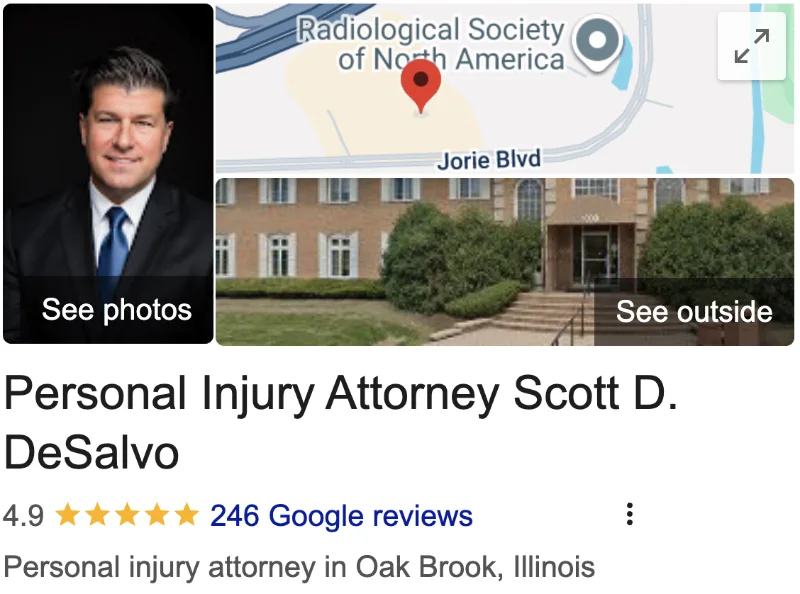
I'm Scott DeSalvo, and I represent brain injury victims throughout Chicago. For over 25 years, I've fought against insurance companies and defendants who would rather deny compensation than acknowledge the devastating harm their negligence caused.
My commitment to this work stems from personal experience. When I was nine years old, my father suffered a catastrophic workplace injury. His case dragged on for 17 years while insurance companies delayed and denied. His own attorney eventually sued him for fees. I watched my family struggle because the system failed us.
That experience taught me how NOT to practice law. I work on contingency – no upfront costs, no fees unless we win. I'm available 24/7 because brain injury crises don't respect business hours. And I treat every client with the respect and dignity they deserve.
If you've suffered a traumatic brain injury in Chicago, call me at (312) 500-4500. The consultation is free, and we'll discuss your legal options.

Traumatic brain injuries occur when external forces cause brain damage. This can happen through direct impact to the head, violent shaking that causes the brain to move within the skull, or penetrating injuries that physically breach the skull and damage brain tissue.
What many people don't realize is that you don't need to hit your head to suffer a brain injury. The violent acceleration and deceleration forces in car accidents can cause your brain to bounce within your skull, creating injuries at multiple sites – what medical professionals call coup-contrecoup injuries.
Brain injuries range from mild concussions to severe traumatic brain injuries causing permanent disability. The medical classification matters less than the actual impact on your life. I've represented clients with 'mild' concussions who couldn't return to work for months and clients with severe injuries requiring lifelong care.
Different mechanisms of injury create different types of brain damage:
Medical professionals classify concussions as mild traumatic brain injuries, but there's nothing mild about losing your ability to concentrate, experiencing debilitating headaches, or struggling with memory problems. Concussions can cause lasting cognitive difficulties, especially when multiple concussions occur over time.
I take concussion cases seriously because I understand how significantly they can disrupt your life and career, even when imaging studies appear normal.
Contusions are bruises on the brain tissue itself, typically caused by direct impact. These injuries involve bleeding and swelling that can cause significant damage to affected brain regions. Contusions often occur both at the impact site and on the opposite side of the brain due to the brain rebounding within the skull.
Severe contusions may require surgical intervention to relieve pressure and prevent further damage.
Diffuse axonal injury occurs when violent rotational forces tear nerve fibers throughout the brain. These injuries commonly result from high-speed motor vehicle accidents and are particularly devastating because damage occurs across multiple brain regions simultaneously.
Victims of diffuse axonal injury often face long recovery periods with uncertain prognoses. Some never fully recover.
Hematomas involve blood pooling in or around the brain. Epidural hematomas occur between the skull and brain's outer covering, subdural hematomas develop beneath this covering, and intracerebral hematomas involve bleeding within brain tissue itself.
These are medical emergencies often requiring immediate surgical intervention. Even with prompt treatment, hematomas can cause permanent brain damage.
Penetrating brain injuries occur when objects breach the skull and enter brain tissue. These are less common than closed head injuries but extremely serious. I've handled penetrating brain injury cases resulting from construction accidents, assaults, and industrial incidents.
Brain injuries occur across all types of accidents:
Car, truck, and motorcycle accidents represent the leading cause of traumatic brain injuries in Chicago. High-speed collisions on expressways like the Kennedy, Dan Ryan, and Eisenhower create the violent forces that cause brain damage. But brain injuries also occur in seemingly minor accidents – rear-end collisions at intersections can generate sufficient force to cause concussions and more serious injuries.
I've represented brain injury victims from accidents throughout Chicago's roadways, from downtown streets to suburban intersections.
Chicago's constant construction creates significant risks for workers. Falls from heights, being struck by falling objects, scaffolding collapses, and crane accidents all cause devastating brain injuries. Construction workers often lack adequate fall protection or work under unsafe conditions created by general contractors prioritizing schedules over safety.
I've handled construction brain injury cases from sites throughout Chicago, from high-rise projects downtown to residential construction in the neighborhoods.
Chicago's harsh winters create treacherous conditions. Ice and snow on sidewalks, building entrances, and parking lots cause falls that result in severe head trauma. But slip and falls causing brain injuries occur year-round – wet floors in grocery stores, defective staircases, inadequate lighting, and poorly maintained walkways all contribute to preventable brain injuries.
Cyclists and pedestrians lack protection when struck by vehicles. Even with helmets, cyclists suffer brain injuries when drivers fail to watch for bikes or when infrastructure inadequacies create dangerous conditions. Pedestrians struck in crosswalks or parking lots face catastrophic brain injuries from impacts their bodies cannot withstand.
Elderly residents in Chicago-area nursing homes suffer brain injuries from preventable falls when facilities fail to provide adequate supervision, maintain safe environments, or address fall risks. These cases are particularly tragic because proper care would have prevented them.


Brain injury cases present distinct challenges that make experienced legal representation essential:
Unlike visible fractures or wounds, brain injuries often leave no external signs. You can't see memory problems, personality changes, or cognitive difficulties. This invisibility makes brain injuries easier for insurance companies to deny or minimize. They argue that if imaging studies appear normal, you must be exaggerating your symptoms.
I've developed sophisticated methods for documenting brain injuries through neuropsychological testing, expert medical testimony, and demonstrating how injuries affect every aspect of daily life.
Some brain injury symptoms don't appear immediately after accidents. You might walk away from a collision feeling fine, only to develop severe headaches, cognitive problems, or personality changes days or weeks later. This delay allows insurance companies to argue your symptoms stem from something other than the accident.
Understanding the medical science behind delayed brain injury symptoms helps me counter these arguments effectively.
Brain injuries don't just affect your body – they fundamentally change who you are. Memory loss affects your ability to function at work. Personality changes strain family relationships. Cognitive difficulties make everyday tasks overwhelming. Depression and anxiety often accompany brain injuries, compounding the challenges victims face.
Calculating damages in brain injury cases requires accounting for these profound lifelong impacts.
Brain injury treatment extends far beyond initial emergency care. Ongoing neurological care, cognitive rehabilitation, occupational therapy, psychological counseling, and medications create expenses that accumulate over decades. Many brain injury victims require lifetime care.
I work with life care planners and economists to project these lifetime costs accurately so settlements account for your future needs.

Illinois law allows brain injury victims to recover comprehensive compensation:
These cover all quantifiable financial losses: past and future medical expenses including emergency treatment, hospitalizations, surgeries, rehabilitation, and ongoing care; lost wages from missed work; lost earning capacity if brain injury prevents returning to previous employment or reduces earning potential; costs for assistive devices, home modifications, and transportation; and any other documented financial losses.
These compensate for intangible losses: physical pain and suffering, emotional distress including depression and anxiety, loss of enjoyment of life, permanent cognitive impairment, personality changes affecting relationships, and loss of independence.
I've invested over $100,000 in advanced trial training specifically to master presentation of non-economic damages. As a graduate of Gerry Spence's Trial Lawyer's College, I understand how to convey the true human impact of brain injuries to juries.
Spouses of brain injury victims can recover for loss of companionship, support, and intimacy. Brain injuries don't just harm the victim – they devastate entire families.
In cases involving willful and wanton misconduct, Illinois allows punitive damages designed to punish wrongdoers and deter similar conduct.
Illinois does not cap damages in brain injury cases, allowing full recovery for all losses.
Find Out What YOUR Case Might Be Worth...for free.
Successful brain injury cases require establishing liability and demonstrating the full extent of damages:
I work with neurologists, neuropsychologists, and rehabilitation specialists who examine clients, review medical records, and provide expert testimony about brain injuries. Neuropsychological testing objectively documents cognitive deficits that might not show on imaging studies.
These experts must explain complex medical concepts to juries in understandable terms while establishing that your symptoms result from the accident rather than pre-existing conditions.
Beyond medical evidence, I document how brain injury affects every aspect of daily life through your testimony, family member observations, employer records showing job performance changes, and evidence of activities you can no longer pursue.
This comprehensive documentation helps juries understand the true cost of brain injury.
For severe brain injuries, I work with life care planners who project lifetime medical and care needs. These detailed analyses calculate costs for decades of treatment, ensuring settlements provide for your future.
Brain injury cases demand specialized knowledge and resources:
After 25 years handling brain injury cases, I've developed relationships with the top neurologists, neuropsychologists, and rehabilitation specialists in Chicago. These experts have unimpeachable credentials and proven track records as witnesses.
I've spent over $100,000 on specialized trial advocacy training. As a graduate of Gerry Spence's Trial Lawyer's College and KTI's 'The Edge' program, I possess trial skills that fewer than one in 10,000 lawyers have mastered.
This training matters because insurance companies know which attorneys are prepared to try cases. My reputation often leads to higher settlements.
I advance all case expenses including expert witness fees that can exceed $50,000, medical record reviews, court costs, and investigation expenses. You pay nothing upfront, and I only recover expenses if I win.
My contingency fee arrangement ensures my interests align perfectly with yours.
Brain injury crises don't respect business hours. When you call me at 2:00 a.m., on weekends, or on holidays, I answer. You deserve an attorney who's there when you need him.

Illinois law imposes specific requirements and deadlines:
Generally, you have two years from the injury date to file suit. However, exceptions exist for delayed discovery of injuries, cases involving minors, and claims against government entities.
These deadlines are strict. Missing them destroys your case permanently. Don't delay consultation – evidence disappears over time.
Immediately preserve all evidence: accident reports, medical records, photographs of accident scenes, witness contact information, and documentation of how the injury affects your daily life.

Many brain injuries don't appear on CT scans or MRIs. I prove these cases through neuropsychological testing, expert medical testimony, and comprehensive documentation of how symptoms affect your life. I've successfully resolved numerous cases where imaging appeared normal.
Nothing upfront. I work on contingency – typically 33⅓% of recovery. I advance all case expenses. If I don't win, you owe me nothing.
Cases typically take 12 to 36 months or longer depending on injury severity and case complexity. The goal isn't settling quickly – it's settling at the right time for maximum compensation after understanding your long-term prognosis.
Illinois follows modified comparative negligence. As long as you're less than 50% at fault, you can recover – though compensation may be reduced by your percentage of fault.


Every day you delay, critical evidence disappears. Insurance companies begin building defenses immediately. You need someone protecting your interests just as aggressively.
Call me at (312) 500-4500 right now. I'm available 24/7 – nights, weekends, holidays. The consultation is free, and you'll speak directly with me.
We'll discuss what happened, review available evidence, and I'll give you my honest assessment. If you don't have a case, I'll tell you that. If you do, I'll explain your options and how we can help.
I serve clients throughout Chicago and surrounding areas including all city neighborhoods and suburbs in Cook County, DuPage County, Will County, Lake County, and Kane County. If your injury makes travel difficult, I'll come to you.
Remember: No upfront costs. No fees unless we win. Available 24/7/365.
Don't let insurance companies minimize your claim or pressure you into inadequate settlements. Call (312) 500-4500 now. Let's start fighting for the justice and compensation you deserve.


Scott DeSalvo founded DeSalvo Law to help injured people throughout Chicago and surrounding suburbs. Licensed to practice law in Illinois since 1998, IARDC #6244452, Scott has represented over 3,000 clients in personal injury, workers compensation, and accident cases.
No Fee Unless You Win | Free Consultation | 24/7 Availability Call or Text: (312) 500-4500
>>Read More
Main Office:
1000 Jorie Blvd Ste 204
Oak Brook, IL 60523
New Cases: 312-500-4500
Office: 312-895-0545
Fax: 866-629-1817
service@desalvolaw.com
Chicago and Other Suburban Offices
By Appointment Only